

Beyond the Hype: What’s Actually New in VR Fitness for 2026?
VR fitness used to feel like a promise perpetually on the horizon. Now, in 2026, it’s genuinely delivering. We’ve moved past the initial novelty and are seeing real innovation in workout design, social integration, and hardware capabilities. It’s not just about slapping a game onto a headset anymore; it’s about creating truly immersive and effective fitness experiences.
The digital fitness market is booming. Wexer’s 2025 Digital Fitness Snapshot indicated a continued shift towards at-home solutions, and VR is poised to capture a significant portion of that growth. This isn’t about replacing gyms entirely, but providing a compelling alternative or a valuable supplement for those who prefer to work out at home. VR offers a level of immersion and engagement that traditional streaming workouts simply can’t match.
Skepticism remains, and rightly so. Early VR fitness experiences were often clunky and lacked the polish of established fitness programs. But the technology has rapidly matured, and the content is catching up. The focus now is on building sustainable, engaging workouts that deliver results. That’s what separates the current VR fitness landscape from the hype of years past.
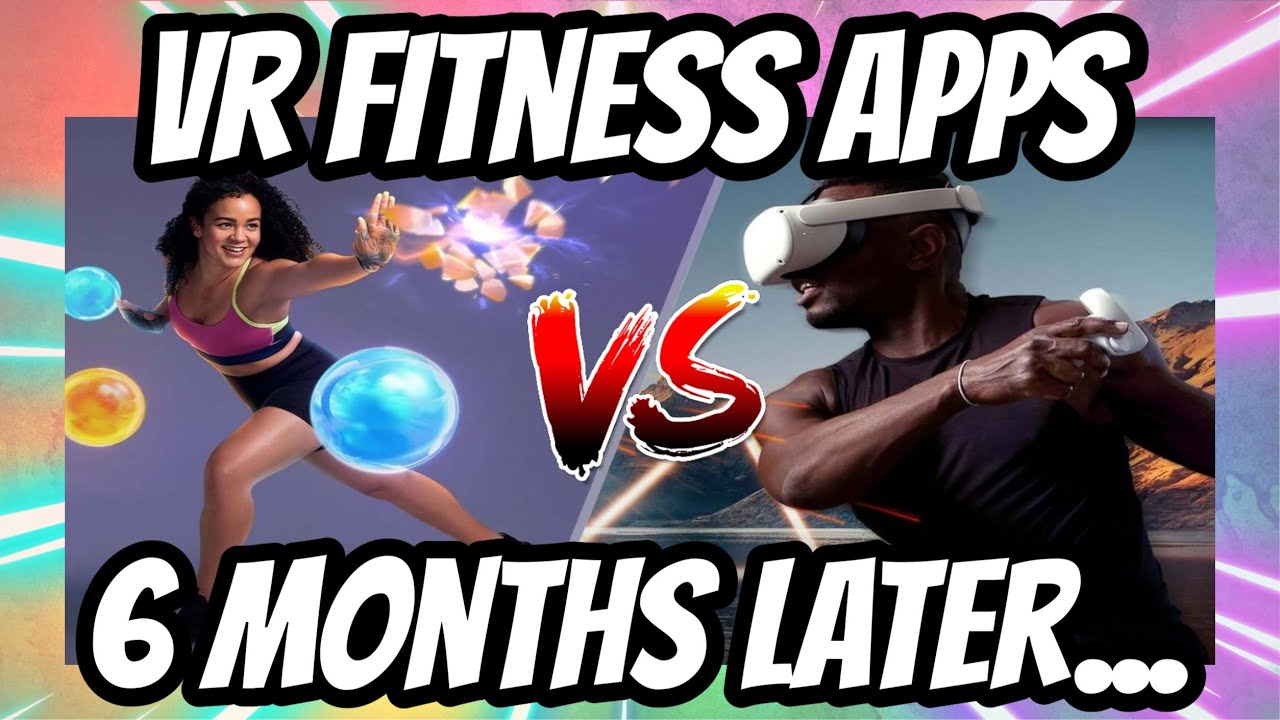
FitXR’s Rise: The Social Fitness Revolution in Virtual Reality
FitXR is making a strong play for the top spot in VR fitness. They've doubled down on the studio-style class format, offering a wide variety of workouts led by certified instructors. This replicates the energy and motivation of a group fitness class, something often missing from solo home workouts.
What sets FitXR apart is its emphasis on social interaction. You can work out with other people in real-time, adding a layer of accountability and camaraderie. According to their marketing, they’re positioning themselves as a leader in fast, fun at-home VR fitness, and the social aspect is central to that promise. It's a smart move, as many people struggle with the isolation of home exercise.
Their efforts to build a community within the VR space are impressive. They host regular events, challenges, and leaderboard competitions, all designed to keep users engaged and motivated. It’s a far cry from the solitary experience of many early VR games. They’re thinking beyond just the workout itself and focusing on creating a holistic fitness ecosystem.
The subscription model is straightforward: access to all classes and features for a monthly fee. While they don’t publicly disclose exact subscriber numbers, their growing presence in the VR community suggests they’re gaining significant traction. They consistently add new content and features, which is essential for long-term retention.
Immersive Boxing & Combat: The Dominance of Rhythm-Based Workouts
Rhythm-based VR workouts, particularly those focused on boxing and combat, remain incredibly popular. Games like Thrill of the Fight and various boxing modes within larger VR fitness platforms consistently rank among the most-played experiences. They’re incredibly engaging and provide a fantastic full-body workout.
The gameplay loop is addictive. You dodge, weave, punch, and block to the beat of the music, creating a satisfying sense of rhythm and coordination. Landing a virtual knockout feels powerful, and that positive reinforcement keeps you coming back. It's a visceral experience that traditional workouts often lack.
These games are surprisingly effective at building cardiovascular fitness and strength. A good boxing workout can burn a significant number of calories and improve your reflexes and coordination. A 30-minute session leaves you genuinely sweating and exhausted. These aren't just games; they're legitimate workouts.
Beyond the core boxing experience, more games incorporate elements of martial arts, sword fighting, and other combat styles. This adds variety and caters to a wider range of preferences. The evolution of these games focuses on refining mechanics, improving tracking, and adding more realistic physics.
Top VR Combat Fitness Games (2026)
- Creed: Rise to Glory - Still a dominant force in VR boxing, Creed: Rise to Glory continues to refine its physics-based combat. Expect expanded career modes, more licensed music, and increasingly realistic opponent AI. Difficulty scales from beginner-friendly to intensely challenging, with a focus on proper form and stamina.
- Thrill of the Fight - Known for its incredibly realistic boxing simulation, Thrill of the Fight remains popular with serious fitness enthusiasts. Updates in 2026 focus on improved graphics and expanded customization options for opponents and training environments. It offers a physically demanding workout with a strong emphasis on technique.
- BoxVR (FitXR) - Now fully integrated into the FitXR platform, this workout combines boxing and HIIT (High-Intensity Interval Training) to deliver a full-body workout. Expect a continually expanding library of professionally coached classes and a strong community aspect with shared leaderboards and challenges.
- Les Mills Bodycombat - Leveraging the popular fitness class, Les Mills Bodycombat for VR delivers choreographed martial arts-inspired workouts. Expect new routines, instructors, and music tracks added regularly, offering a dynamic and engaging experience. Focuses on cardio and strength.
- Afterlife - A rhythm-based combat game, Afterlife blends intense workouts with a captivating electronic music soundtrack. The 2026 version boasts improved tracking, new enemy types, and expanded song lists, offering a unique and highly motivating fitness experience. Difficulty is adjusted through speed and complexity of patterns.
- BlazePod VR - Utilizing the real-world BlazePod system, this VR integration adds a reactive element to combat training. Players physically strike illuminated pods in the virtual environment, improving reaction time, agility, and coordination. It’s a highly customizable and versatile training tool.
- Synth Riders - While not *strictly* combat, Synth Riders’ high-energy, full-body gameplay provides an excellent cardio workout. The 2026 iteration includes expanded multiplayer options and more licensed music, making it a fun and social way to get fit. It’s a rhythm-based game that encourages dynamic movement.
Beyond Boxing: New VR Workout Genres Gaining Traction
While boxing and combat dominate VR fitness, other genres are emerging. VR dance games, like Les Mills Bodycombat, are gaining popularity, offering a fun and energetic way to improve cardio and coordination. These games often leverage motion tracking to provide feedback on your form, helping you improve your technique.
VR yoga and meditation apps are also on the rise, providing a calming and immersive experience. Practicing yoga in a serene virtual environment can be incredibly relaxing and beneficial for mental well-being. While the physical challenge may not be as intense as boxing, these workouts offer a different kind of value.
More unconventional options are also emerging, such as VR rock climbing and virtual obstacle courses. Developers are experimenting with different ways to leverage VR’s unique capabilities to create engaging and challenging workouts. Gamification will likely be a key factor in the success of these emerging genres—incorporating points, rewards, and leaderboards to keep users motivated.
The biggest challenge for these new genres is creating experiences that feel natural and intuitive. It’s not enough to simply port a traditional workout into VR; developers need to design workouts specifically for the medium, taking advantage of the immersive environment and motion tracking capabilities.
Content is being updated. Check back soon.
The Hardware Side: Headset Advancements & Comfort Concerns
The VR experience is heavily reliant on the hardware, and thankfully, significant advancements are being made. Resolution is increasing, fields of view are widening, and tracking accuracy is improving, all contributing to a more immersive and realistic experience. These improvements are crucial for reducing motion sickness and enhancing the overall sense of presence.
However, comfort remains a major concern. Many VR headsets are still bulky and uncomfortable to wear for extended periods. This is a significant barrier to entry for many people, and manufacturers are actively working to address this issue. We’re seeing improvements in headset design, with lighter materials, more ergonomic head straps, and better weight distribution.
The choice between standalone headsets (like the Meta Quest 3) and PCVR setups (requiring a powerful computer and a tethered headset) also impacts the experience. Standalone headsets offer greater convenience and portability, while PCVR setups generally offer higher fidelity graphics and more processing power. The best option depends on your budget and priorities.
The price of headsets is also a factor. While prices have come down in recent years, a high-end VR setup can still be a significant investment. The accessibility of VR fitness will depend, in part, on continued price reductions and the availability of more affordable options.
VR Headset Comfort Comparison - 2026
| Headset Model | Weight | Strap Design | Facial Interface Adjustability | Heat Dissipation |
|---|---|---|---|---|
| Meta Quest 3 | Medium | Medium | Medium | Medium |
| Valve Index | High | High | High | Medium |
| HTC Vive XR Elite | Low | Medium | Medium | High |
| HP Reverb G2 | High | Medium | Medium | Low |
| Pico 4 | Medium | Medium | Medium | Medium |
| Varjo Aero | High | Medium | High | Medium |
Illustrative comparison based on the article research brief. Verify current pricing, limits, and product details in the official docs before relying on it.
The Future of VR Fitness: Personalized Training & AI Integration
The future of VR fitness is undoubtedly tied to AI and personalized training. Imagine a virtual trainer that analyzes your movements in real-time, provides feedback on your form, and adjusts the workout intensity based on your fitness level. This level of personalization could dramatically improve the effectiveness of VR workouts.
AI could also be used to create customized workout plans tailored to your specific goals and preferences. The system would learn from your performance and adapt the workouts accordingly, ensuring that you’re always challenged and making progress. This is a significant step beyond the pre-programmed workouts offered by many current VR fitness apps.
I believe the integration of VR fitness with other health and fitness apps will also be crucial. Imagine seamlessly syncing your VR workout data with your favorite fitness tracker or nutrition app. This would provide a more holistic view of your health and fitness journey. The ability to share your progress and compete with friends could also add a social element.
The potential for AI-powered motion capture and analysis is particularly exciting. AI could identify areas where your form is incorrect and provide targeted feedback to help you improve your technique, potentially reducing the risk of injury.
Meta Platforms Inc. Price Prediction 2026
Bull / Base / Bear scenario analysis
| Timeframe | Bull Case | Base Case | Bear Case | Key Driver |
|---|---|---|---|---|
| 1 Month | $375 | $360 | $335 | VR fitness market expansion and Q4 earnings momentum |
| 3 Months | $395 | $370 | $320 | Reality Labs revenue growth and fitness partnership announcements |
| 6 Months | $425 | $385 | $310 | VR fitness subscription adoption rates and hardware sales |
| 1 Year | $475 | $415 | $295 | Metaverse fitness ecosystem maturity and competitive positioning |
Price Prediction Summary
Meta's stock outlook remains positive driven by expanding VR fitness market opportunities, though execution risks in the competitive fitness tech space could limit gains. The company's established VR hardware ecosystem positions it well for fitness application growth.
Key Factors Affecting Meta Platforms Inc. Stock Price
- VR fitness market penetration and subscription growth
- Reality Labs profitability timeline and investment efficiency
- Competition from Apple Vision Pro and fitness-focused VR platforms
- Consumer adoption of premium VR fitness experiences
Disclaimer: Predictions are speculative and not financial advice. Stock price predictions are based on current market analysis and may vary significantly due to market volatility, economic conditions, and other unpredictable factors. Always do your own research before making investment decisions.
Overcoming the Barriers: Cost, Space, and Motion Sickness
Despite the advancements, several barriers still prevent VR fitness from reaching its full potential. The cost of equipment remains a significant hurdle for many people. While standalone headsets are becoming more affordable, a complete setup – including a headset, controllers, and potentially a fitness tracker – can still be expensive.
The space required for movement is another concern. Many VR workouts require a relatively large play area to avoid bumping into furniture or walls. This can be a challenge for people who live in small apartments or homes. Developers are exploring ways to create workouts that can be performed in smaller spaces, but this is an ongoing challenge.
Motion sickness is perhaps the most persistent issue. Some people are simply more susceptible to motion sickness than others, and even the best VR headsets can’t completely eliminate the problem. However, developers are making progress in reducing motion sickness through techniques like optimized rendering, improved tracking, and the use of virtual anchors.
Ultimately, making VR fitness more accessible requires addressing these challenges head-on. Lowering the cost of equipment, designing workouts for smaller spaces, and improving motion sickness mitigation are all crucial steps. I'm not sure if motion sickness will ever be entirely eliminated, but the industry is committed to finding solutions.
$VTIX THE $PTON FOR VR FITNESS IN A $100 BILLION INDUSTRY
— JCOOP (@ProfitGrand) April 9, 2026
Virtuix is tapping into a massive global fitness market by turning workouts into immersive, full-body gameplay. Omni One makes exercise engaging and habit-forming.
📊 DATA-DRIVEN BULL CASE:
▫️ Connected fitness demand… pic.twitter.com/92PqduT7Zf
No comments yet. Be the first to share your thoughts!