

Calculate your total vr fitness cost
Building a home VR gym involves more than just the headset. You need to account for the hardware upfront, the recurring subscription fees for workout apps, and any optional accessories that make the experience safer or more effective.
Use the calculator below to estimate your monthly and annual spending. Input the current price of your chosen headset, the subscription tier you plan to use, and any additional gear like weights or a non-slip mat.
This tool gives you a baseline. Prices for headsets like the Meta Quest 3 or Apple Vision Pro vary by retailer, and subscription models differ between apps like FitXR and Supernatural. However, this calculation helps you see the long-term commitment compared to a traditional gym membership.
Headset hardware costs compared
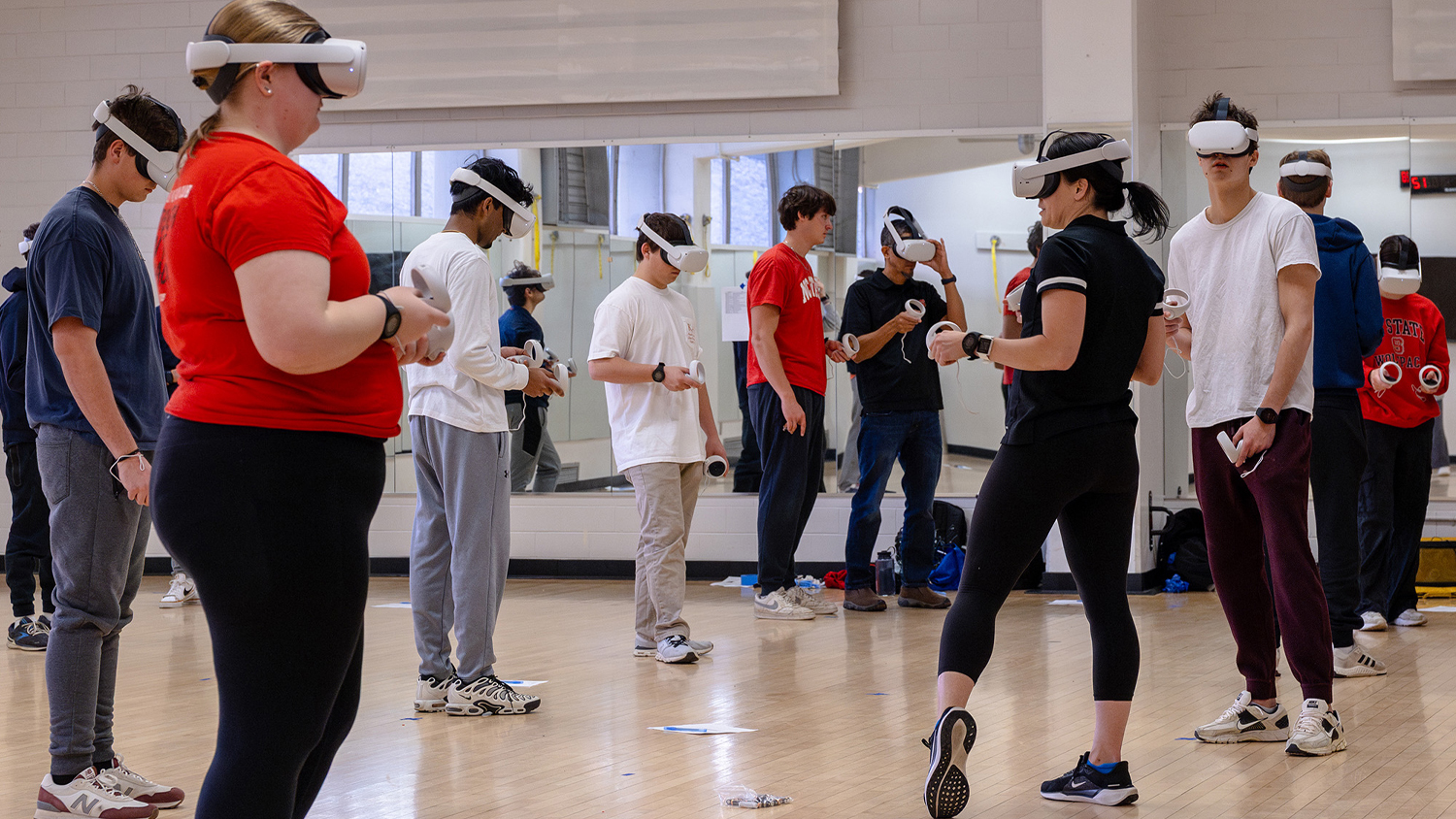
The upfront cost of a home VR gym starts with the headset. While the hardware is a one-time purchase, the price varies significantly based on tracking quality, comfort, and ecosystem support. Choosing the right device is the first major decision in building a sustainable fitness routine.
Meta has long dominated the consumer VR market, making the Quest 3 the default choice for most fitness enthusiasts. Its inside-out tracking is reliable for boxing, rhythm games, and HIIT workouts. Other headsets like the PICO 4 offer competitive specs at slightly lower price points, but they lack the same depth of fitness-specific app support.
The table below breaks down the key specifications for the leading options. These figures represent typical retail prices and standard battery performance during active use.
| Headset | Approx. Price | Battery Life | Tracking Type | Fitness Ecosystem |
|---|---|---|---|---|
| Meta Quest 3 | $499 | 2-3 hours | Inside-Out | Strong (Supernatural, FitXR) |
| Meta Quest 2 | $299 | 2-3 hours | Inside-Out | Strong (Legacy Support) |
| PICO 4 | $399 | 2-3 hours | Inside-Out | Moderate (Limited Apps) |
| PlayStation VR2 | $549 | N/A (Console) | Inside-Out | Weak (Few Dedicated Apps) |
The Meta Quest 3 remains the most balanced option for serious VR fitness. It offers the latest processor and passthrough features, which help with safety in smaller workout spaces. The Quest 2 is still a viable budget choice if you only need basic tracking for games like Beat Saber.
Headsets like the PlayStation VR2 require a powerful PC or console, adding significant hidden costs. For a pure home VR gym setup, standalone headsets like the Quest 3 or PICO 4 are more practical. They eliminate the need for expensive external computers or consoles.
Subscription plans and app fees
The headset is just the entry fee. To get a full workout, you need to pay for the software. Most VR fitness apps use a subscription model, which adds a recurring monthly cost to your home gym budget. Unlike a one-time purchase, these fees keep coming as long as you want access to new classes and content.
How VR Fitness Apps Charge
VR fitness apps generally fall into three pricing buckets: free trials, one-time purchases, and monthly subscriptions. The subscription model is the most common because it allows developers to constantly add new workout classes, music tracks, and game levels. This keeps the experience fresh, but it also means the cost accumulates over time.
Major Subscription Costs
The two most popular platforms, FitXR and Supernatural, operate on similar subscription structures. FitXR offers a monthly plan for $12.99 or an annual plan for $107.99, which saves about 30% compared to paying monthly [src-serp-8]. Supernatural typically charges around $19.99 per month or $149.99 per year, though prices can vary by region and platform. These fees unlock unlimited access to their libraries of guided workouts and immersive environments.
Free and One-Time Options
Not every app requires a monthly fee. Some titles, like Black Box VR, offer a free version with limited content or a one-time purchase option for full access [src-serp-2]. While these upfront costs are lower initially, they lack the constant stream of new content that subscriptions provide. If you stick to one app for years, a one-time purchase might be cheaper. However, most users find the variety of subscription libraries worth the recurring cost.
Essential accessories and extras
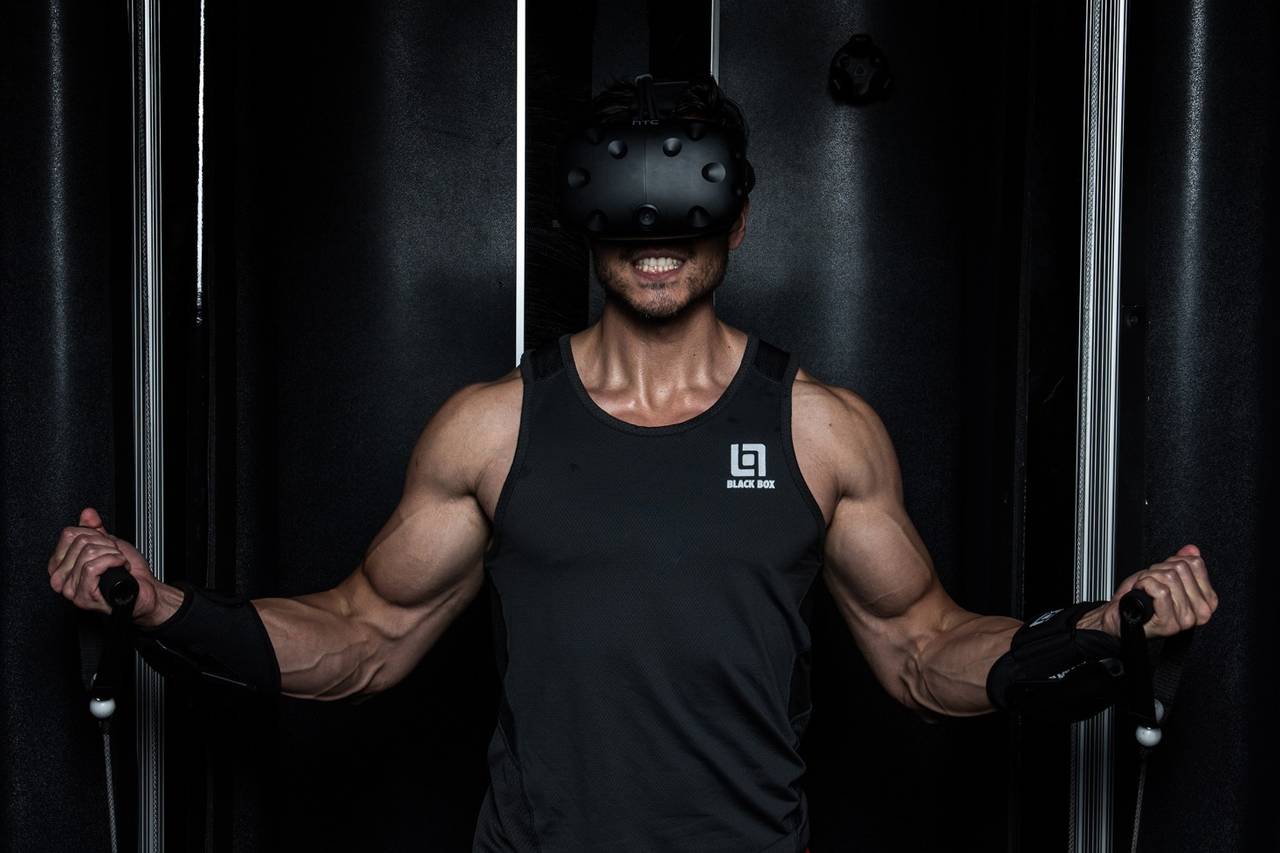
While a VR headset is the only true requirement to start, adding specific accessories can transform a casual experience into a structured home gym. These optional hardware additions address the limitations of standalone headsets, such as limited battery life and the need for physical resistance.
Battery and Comfort
Most standalone VR headsets offer 2-3 hours of battery life, which is rarely enough for a full workout routine. A high-capacity battery pack allows for extended sessions without interruption. Additionally, a third-party comfort strap distributes the headset’s weight more evenly, reducing neck strain during vigorous movement. For users who wear glasses, a spacer lens insert prevents the headset from pressing against frames, ensuring clear vision without the discomfort of squinting.
Resistance and Tracking
Adding light hand weights (1-5 lbs) or resistance bands turns passive swinging into active strength training. Apps like FitXR and Supernatural often incorporate resistance mechanics, making these tools highly recommended for serious fitness goals. For more accurate movement tracking, an external camera or sensor (like the Quest Link camera or third-party trackers) can improve precision in games that require full-body tracking, such as Beat Saber or Les Mills Bodycombat.
Subscriptions and Content
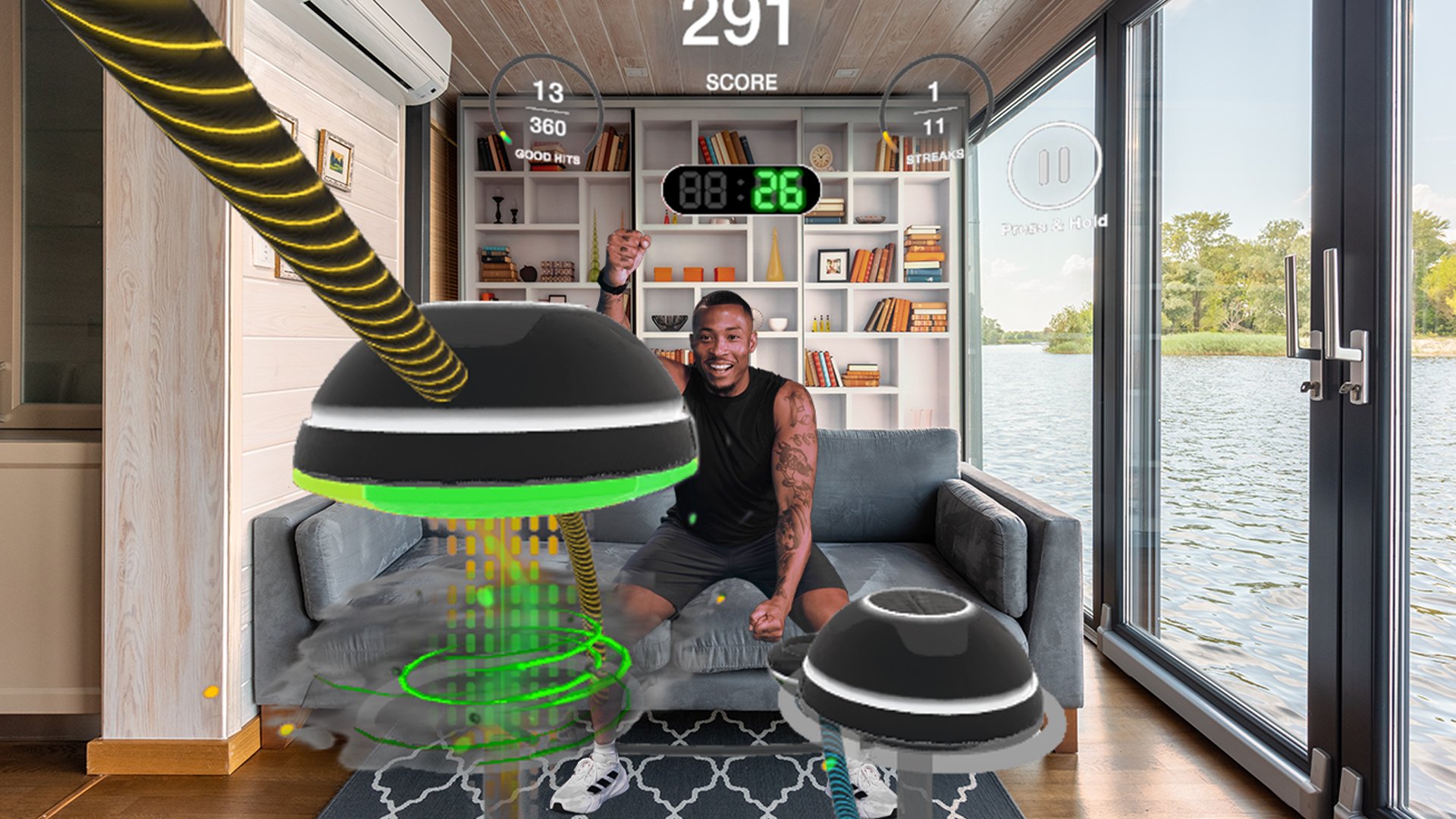
Hardware is useless without software. Most VR fitness platforms operate on a subscription model, typically ranging from $10 to $20 per month. Some apps offer one-time purchases for specific workout packages, but subscriptions generally provide the best value for regular users. Check if your chosen app requires a PC connection for premium features, as this may necessitate a more powerful computer.
Is virtual reality fitness worth the price
The primary question for anyone considering a home VR gym is whether the upfront hardware cost pays off compared to traditional fitness expenses. When you compare a one-time hardware purchase against recurring monthly fees, the math often favors virtual reality, especially if you plan to use the equipment long-term.
A typical mid-range VR headset, such as the Meta Quest 3, costs between $300 and $500. This is a single, fixed cost. In contrast, a standard gym membership averages $20 to $50 per month. Over two years, a modest gym membership can exceed $500, effectively matching the cost of the VR hardware alone. If you factor in the cost of a fitness-specific VR app subscription, like FitXR, which runs about $108 annually, the VR setup remains competitive with premium boutique fitness studios that charge $150 or more per month.
Beyond pure dollars, the value proposition shifts when you consider convenience and space. As noted by Forbes, a VR home gym requires no dedicated floor space or heavy equipment, making it highly portable and accessible for those with limited room. This eliminates the "commute tax" of driving to a gym, saving both time and fuel. While the initial investment feels significant, the long-term savings and the psychological benefit of consistent, engaging workouts often make virtual reality fitness a financially sound decision.
VR Fitness Setup Checklist
Before you start swinging, make sure your home gym is ready for action. This final checklist ensures you have the hardware, software, and safety measures in place for a sustainable VR fitness journey.
Select a standalone headset like the Meta Quest 3 or Apple Vision Pro. Ensure it has enough storage for fitness apps and a comfortable fit for extended wear. Check for battery life options if you plan long sessions.

Download a dedicated VR fitness platform like FitXR, Supernatural, or Les Mills Bodycombat. Compare subscription models and free trials to find the one that matches your workout style and budget.
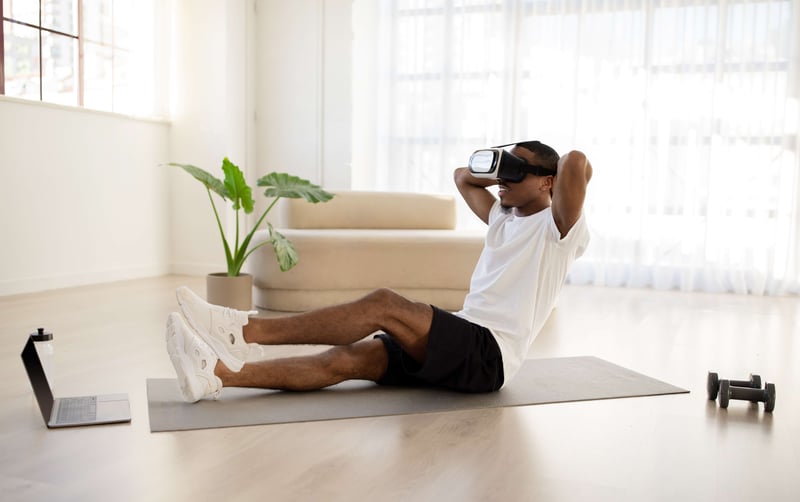
Create a safe, unobstructed area at least 6.5 by 6.5 feet. Remove furniture, rugs, and pets. Use boundary settings to define your play zone and ensure you have enough room to punch, kick, or jump safely.
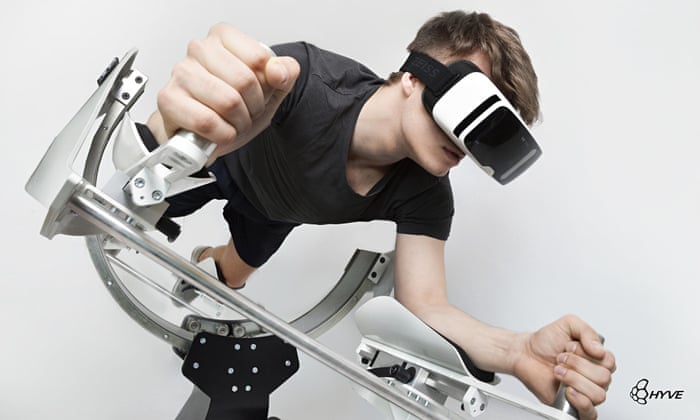
Invest in a high-quality face cover or silicone interface for hygiene. Consider a padded strap for comfort and a battery pack for wireless freedom. A yoga mat can also help with stability during floor exercises.
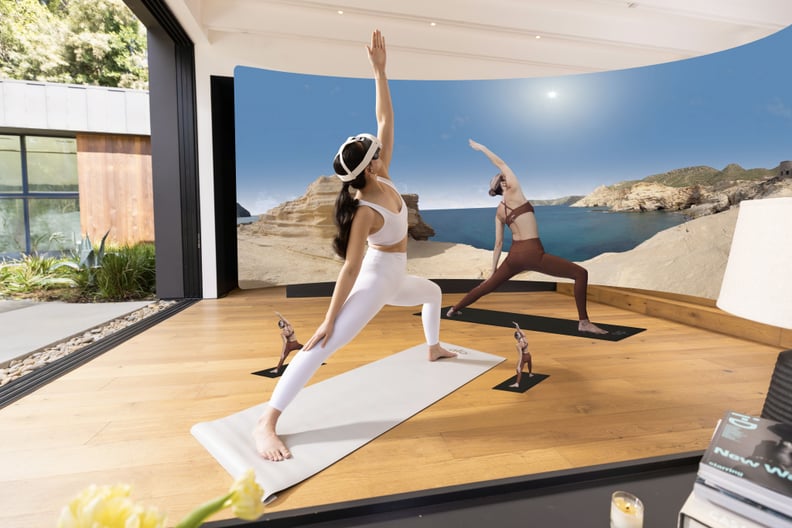
Begin with a 10-minute warm-up to get used to the controls. Gradually increase intensity as your stamina builds. Track your progress in the app to stay motivated and adjust your routine over time.
By following these steps, you'll avoid common setup pitfalls and jump straight into effective workouts. Your home VR gym is now ready to help you burn calories and have fun.
Common VR fitness costs explained
Beyond the headset and base station, your home VR gym requires ongoing subscriptions and reliable internet. Understanding these recurring expenses helps you budget accurately for long-term fitness goals.
Subscription fees
Most VR fitness apps operate on a monthly or annual subscription model. For example, FitXR offers a monthly plan at $12.99 or an annual plan for $107.99, saving roughly 30% compared to monthly billing [src-serp-5]. Other popular apps like Supernatural and Les Mills Bodycombat follow similar pricing structures. These fees unlock unlimited access to workout studios, new content, and community features.
Internet requirements
A stable internet connection is essential for streaming high-quality VR fitness content. While some apps offer offline modes, most require a strong Wi-Fi signal to prevent lag and ensure smooth gameplay. A standard broadband connection is usually sufficient, but a wired Ethernet connection to your router can provide greater stability during intense workouts.
Replacement parts and accessories
Controllers and batteries are common replacement items. Most VR fitness headsets use replaceable AA batteries or have internal rechargeable batteries that may degrade over time. Controllers can wear out, especially if you play frequently. Budgeting for spare controllers or battery packs ensures you can maintain your fitness routine without interruption.
No comments yet. Be the first to share your thoughts!