
Beyond the Goggles: VR Fitness in 2026
VR fitness has evolved significantly since early wave-based games like Beat Saber. Supernatural offered a more structured, subscription model, but these felt like experiments limited by older tech. With the upcoming Apple Vision Pro 2 and Meta Quest 4, a real revolution in exercise is on the horizon.
This isn't about minor upgrades like better graphics or comfort. It's a fundamental shift in immersion and interactivity. Next-gen devices address current VR limitations—clunky designs, low resolution, and poor tracking—promising experiences that feel real and offer motivation traditional workouts lack.
The disconnect between VR visuals and physical sensation has hindered adoption. New headsets aim to bridge this. Apple's spatial computing and Meta's focus on accessibility and affordability are converging, promising effective, enjoyable workouts at home. The groundwork is being laid.
Early adopters tolerated discomfort and glitches for novelty. For mainstream appeal, VR fitness must be seamless, comfortable, and effective. The Vision Pro 2 and Quest 4 can deliver this, likely leading to a significant surge in adoption soon.
Apple Vision Pro 2: Spatial Computing Meets Sweat
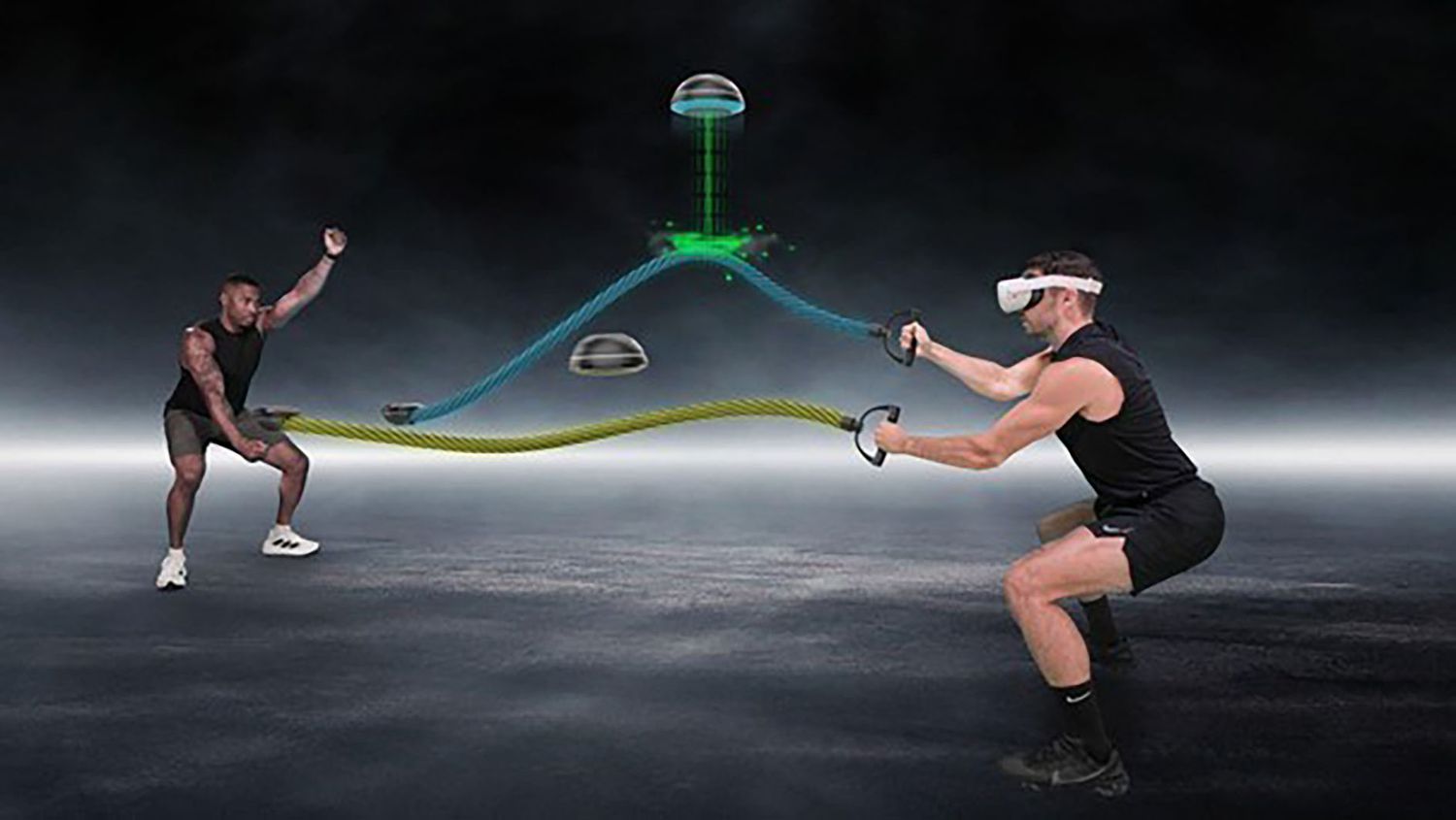
Apple's Vision Pro 2 centers on spatial computing, understanding and interacting with your physical surroundings. This is a game-changer for fitness. Imagine a yoga studio in your living room or a virtual trainer seeing your form and giving real-time feedback. Applications go far beyond gaming.
Upgraded micro-OLED displays should improve visual clarity, reduce eye strain, and boost immersion. Advanced hand and eye tracking will enable precise, natural movements vital for coordination and balance exercises. This precision moves VR fitness beyond arm-flailing to genuinely effective workouts, like Tai Chi or boxing with accurate form assessment.
It will be interesting to see how Apple incorporates its 'digital wellbeing' focus into VR fitness. Will the Vision Pro 2 include break reminders, workout duration limits to prevent overexertion, or guided cool-down routines? These features would align with Apple’s philosophy of promoting healthy technology use.
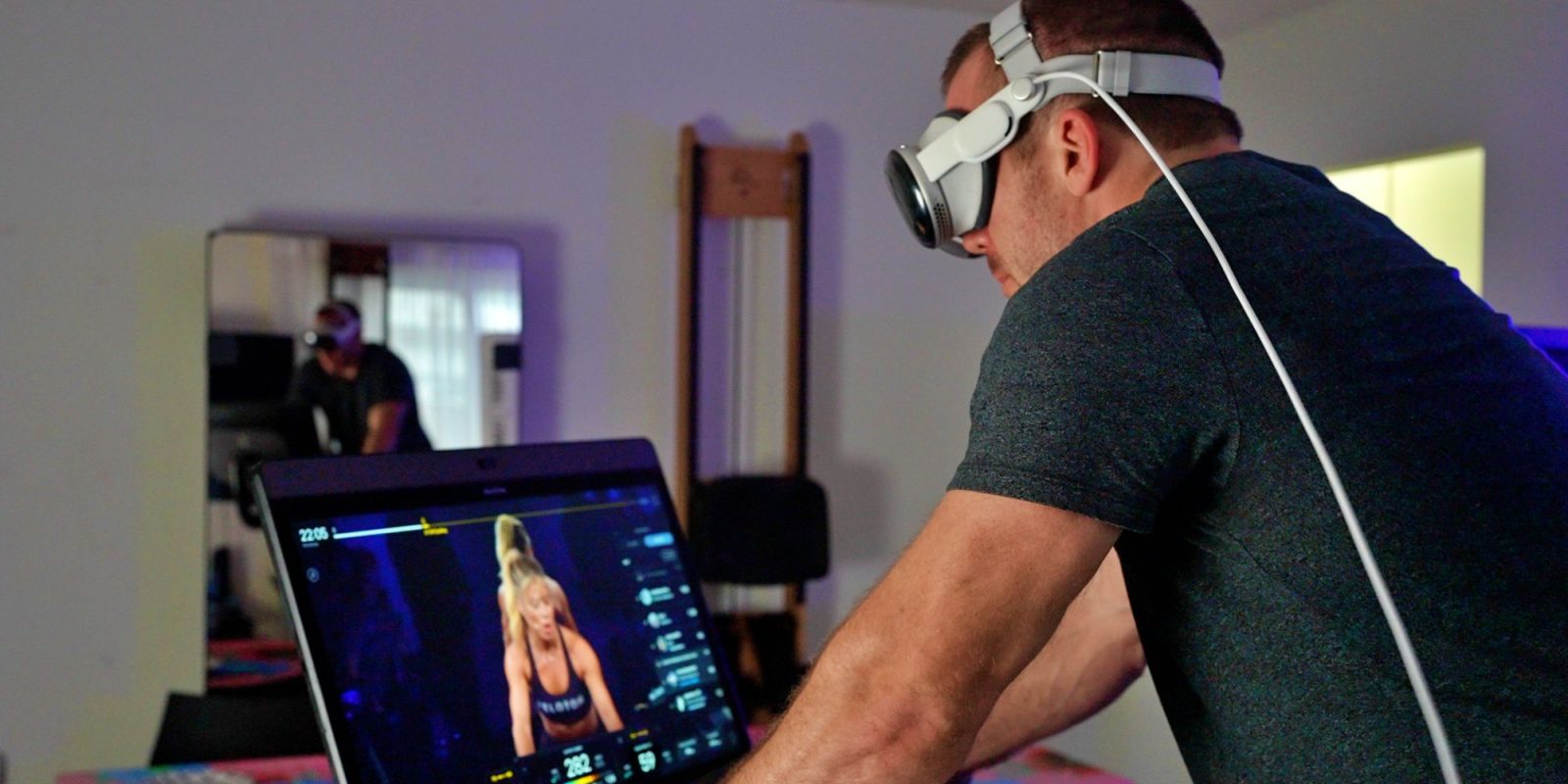
Spatial computing also enables realistic virtual running trails, cycling routes, or hikes from home. Apple's ecosystem promises seamless integration with Apple Health for progress tracking and data sharing with doctors. The possibilities are exciting, though the price will likely remain a barrier.
Meta Quest 4: Accessibility and Affordability
Meta's Quest 4 focuses on accessibility and affordability. While Apple targets a premium experience, Meta likely prioritizes making VR fitness available to a wider audience. Expect resolution and processing power improvements, with a core strategy of offering a compelling experience at a competitive price.
A lighter design and better battery life are expected, addressing major complaints about current Meta Quest headsets. These improvements are essential for longer, more immersive workouts. Meta's strength is its VR ecosystem, suggesting deeper integration with apps like FitXR and Supernatural.
FitXR is offering a month of access with code THESAVESTATE, as seen in a YouTube video from The Save State. This shows Meta's support for the VR fitness community. Meta's social VR capabilities will also be a differentiator, with group workouts, competition, and communities more seamlessly integrated into the Quest 4 experience.
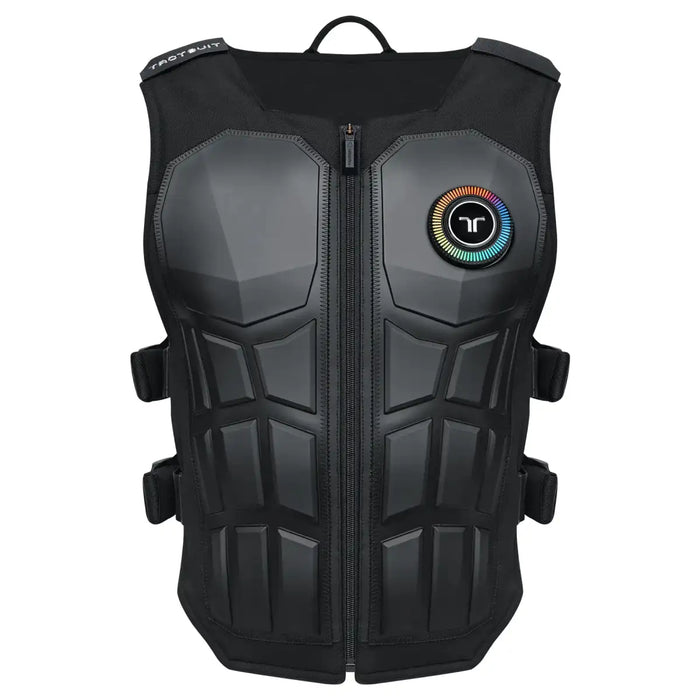
Meta will likely continue pushing realistic haptic feedback. While full-body suits are distant, improved hand tracking and controller haptics could enhance presence during workouts, making virtual punches feel more impactful or weights heavier. The goal is to trick your brain into believing you're exerting yourself.
Apple Vision Pro 2 vs. Meta Quest 4: A Comparative Overview for VR Fitness (2026)
| Price (Estimated) | Display Quality | Tracking Accuracy | Comfort | Ecosystem | Social Features |
|---|---|---|---|---|---|
| Premium | Superior | Excellent | Good | Strong | Advanced |
| Higher | Excellent | Very Good | Moderate | Developing | Good |
| Estimated to be significant | Exceptional clarity | Precise | Improved | Closed, but expanding | Integrated |
| Likely substantial | High Resolution | Accurate | Acceptable | Open and extensive | Robust |
| Potentially expensive | Very Good | Reliable | Variable | Growing | Moderate |
| Competitive | Good | Good | Generally Comfortable | Mature | Developing |
Illustrative comparison based on the article research brief. Verify current pricing, limits, and product details in the official docs before relying on it.
The Rise of Biometric Integration
Apple Vision Pro 2 and Meta Quest 4 will likely integrate more sophisticated biometric sensors. Heart rate monitoring is expected, but sensors could also track sweat levels, muscle fatigue, and brainwave activity.
A VR fitness app could adjust workout difficulty in real-time based on your physiological state. If your heart rate is too high, intensity could lower. If muscle fatigue shows, a different exercise could be suggested. This personalization could improve workout effectiveness and reduce injury risk.
Collecting biometric data raises privacy concerns. How will it be stored, protected, and used? Will users control access? Apple and Meta must address these questions transparently to build trust. Misuse is a real possibility, and regulations will likely shape data handling.
Brainwave monitoring is intriguing. While early, this technology could optimize workout performance by identifying flow or focus states. It could also provide feedback on mindfulness and stress reduction techniques during recovery.
New Workout Experiences: Beyond Rhythm Games
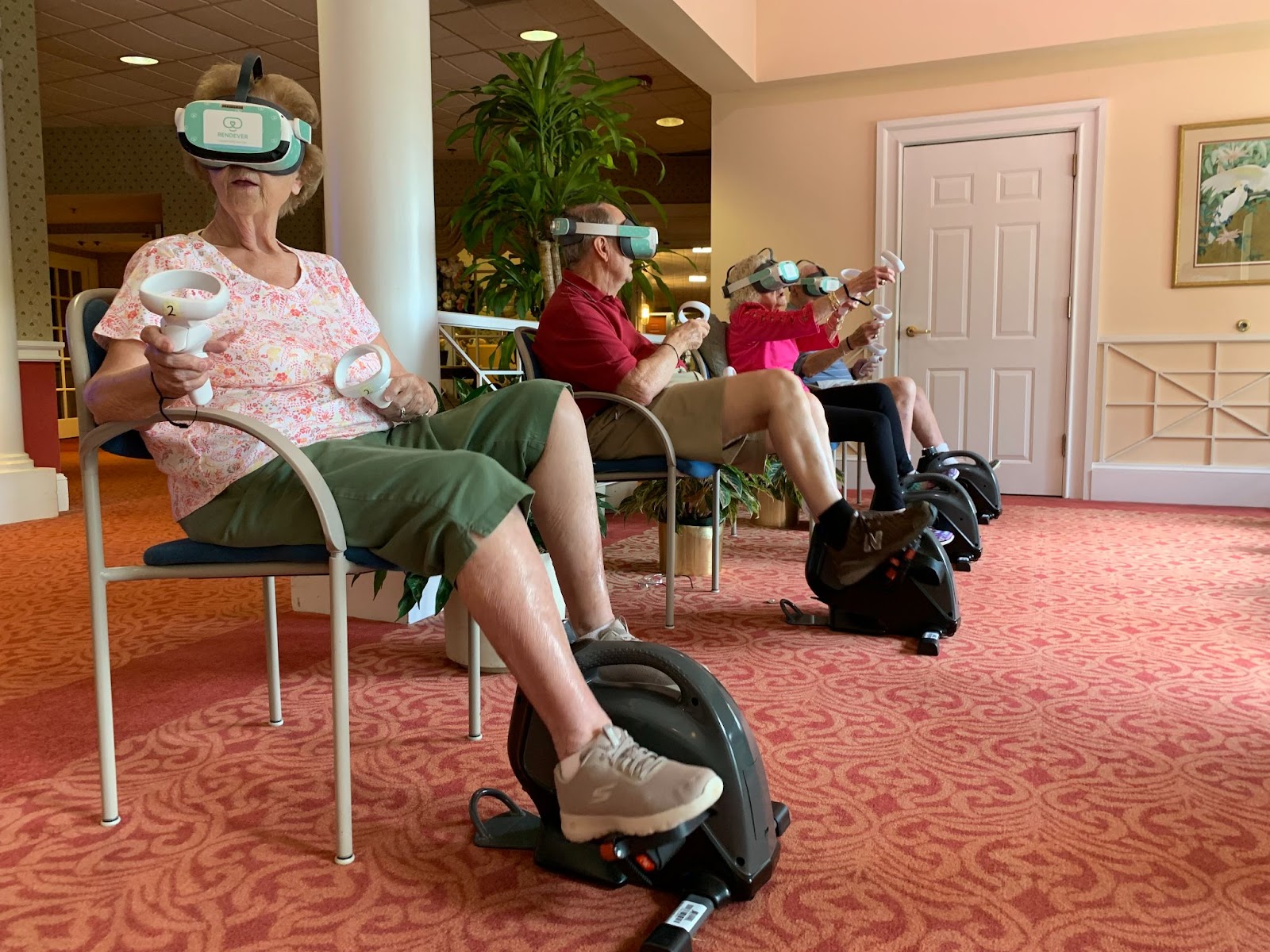
Rhythm games like Beat Saber will remain popular, but next-gen VR fitness will move beyond simple hand-eye coordination. Immersive cycling and rowing simulations are emerging, letting you ride with virtual companions or compete in races.
Virtual rock climbing is another development area. Improved resolution and tracking on new headsets will make these experiences more realistic and challenging. Full-body strength training programs with virtual coaches are also gaining traction, often incorporating resistance bands or light weights for a more effective workout.
Success for these new experiences hinges on leveraging VR's unique capabilities for engaging and effective workouts. Gamification, with leaderboards, achievements, and virtual rewards, will motivate users. Expect a surge in VR fitness apps incorporating storytelling and adventure.
undefined real-time could be a significant advantage.
Social VR Fitness: The Multiplayer Motivation
The social aspects of VR fitness are often overlooked, but they’re crucial for long-term adherence. Working out with friends or competing against others can provide a powerful source of motivation. Apple Vision Pro 2 and Meta Quest 4 are both poised to facilitate more immersive and engaging social fitness experiences.
Imagine joining a virtual running club, where you can run alongside friends from around the world. Or competing in a virtual boxing tournament, testing your skills against other VR athletes. These experiences can help to build a sense of community and accountability.
The ability to receive personalized coaching from remote trainers will also be a significant benefit. A trainer could observe your form, provide feedback, and create a customized workout plan tailored to your specific goals. This level of personalization is often unavailable in traditional gym settings.
I think we’ll see the emergence of VR fitness leagues and tournaments, offering a competitive outlet for dedicated VR fitness enthusiasts. These events could attract sponsorships and create a thriving ecosystem around VR fitness.
What's the biggest motivator for you in VR fitness?
Vote below and tell us what keeps you most engaged in virtual reality workouts.
Challenges and the Future of VR Fitness
Despite the exciting potential, several challenges remain. The cost of entry is still a significant barrier for many consumers. The Apple Vision Pro 2 is expected to be particularly expensive, while even the Meta Quest 4 will likely be a substantial investment.
Motion sickness is another concern. While VR technology has improved significantly, some users are still prone to experiencing nausea or dizziness. Developers will need to continue to refine their techniques to minimize this issue. The need for dedicated space is also a limiting factor. Many VR workouts require a relatively large, unobstructed area.
Potential for injury is a risk, particularly if users are not careful about their surroundings. It’s easy to lose track of your body in VR and accidentally bump into furniture or walls. The long-term impact of extended VR use on eye strain and overall health is also uncertain. More research is needed to fully understand these effects.
Looking ahead, I believe augmented reality (AR) will play an increasingly important role in fitness. AR allows you to overlay digital information onto the real world, creating a more seamless and integrated experience. Imagine using AR glasses to receive real-time feedback on your running form or to project a virtual workout instructor onto your living room wall. The convergence of VR and AR could unlock even more innovative fitness solutions.
Standout Apps to Watch in 2026
The VR fitness app market is rapidly evolving, but a few standouts are already pushing the boundaries of the technology. Here are three apps to watch in 2026:
FitXR: A subscription-based platform offering a variety of boxing, dance, and HIIT workouts. It’s known for its high-energy instructors and engaging social features.
Supernatural: Another popular subscription service, Supernatural focuses on immersive cardio workouts set in stunning virtual environments. It’s praised for its beautiful graphics and motivating coaching.
Les Mills Bodycombat: Bringing the popular gym class to VR, this app offers a high-intensity martial arts-inspired workout with licensed music and expert instruction. It’s a great option for those who enjoy a challenging and dynamic workout.
No comments yet. Be the first to share your thoughts!