
VR fitness in 2026
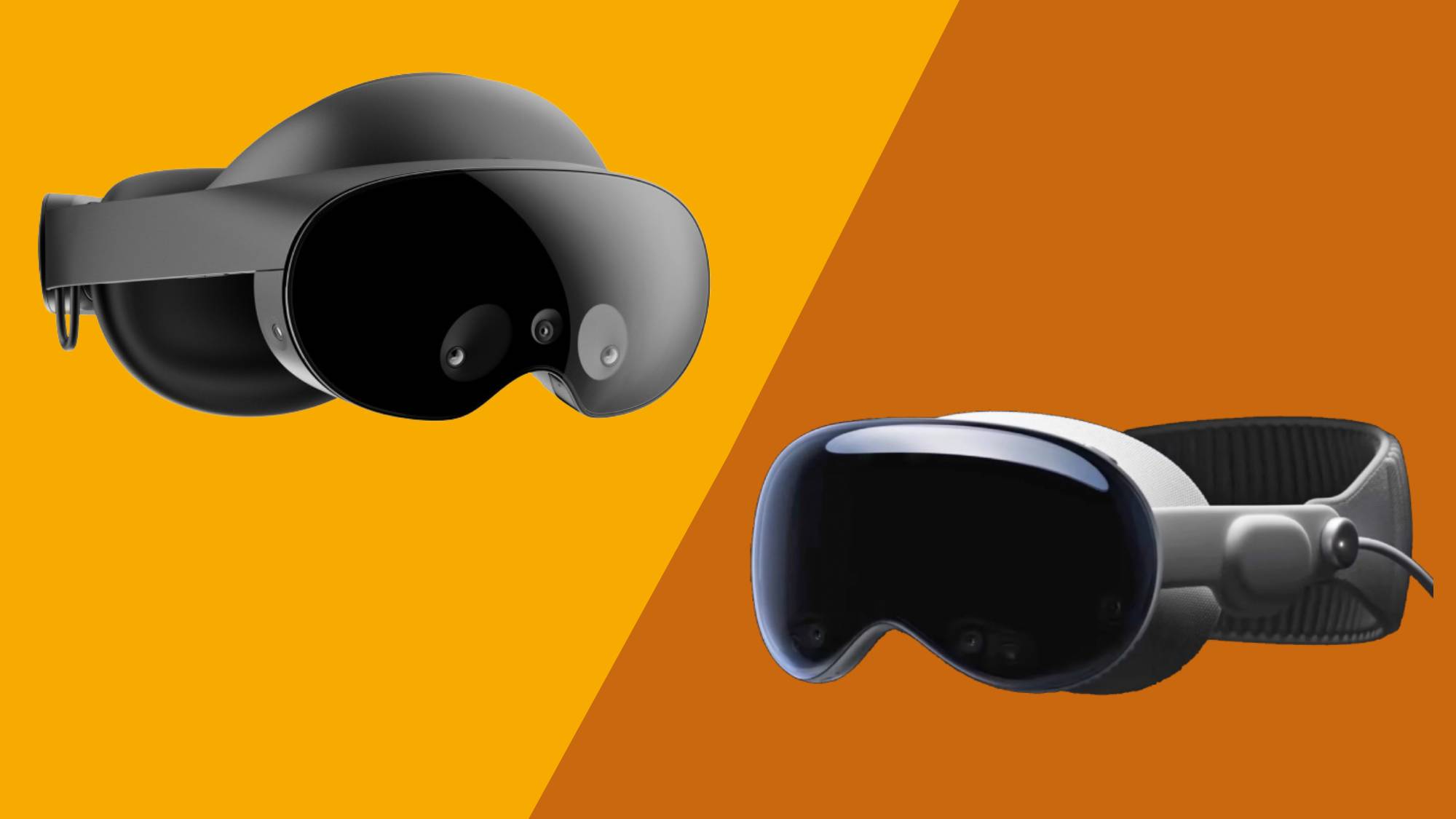
VR fitness isn't a novelty anymore. By 2026, the choice for home workouts comes down to two specific paths: Meta’s upcoming Quest 4 or Apple’s high-end Vision Pro. One is built for movement; the other is a computer you happen to wear on your face.
For years, Meta has dominated the accessible VR space, and their dedication to fitness is becoming increasingly apparent. But Apple’s entry with the Vision Pro promises a different approach – one focused on cutting-edge technology and a premium experience. These aren’t just gaming headsets anymore; they’re potential tools for transformation.
It’s important to be realistic. The Vision Pro, while impressive, isn’t solely a fitness device. It’s a spatial computer with fitness as one potential application. The Quest 4, on the other hand, seems to be leaning more heavily into the active lifestyle market. This difference in focus is what makes a head-to-head comparison so interesting. We’ll break down the strengths and weaknesses of each headset, and try to determine which one will ultimately win over the VR fitness enthusiast.
Apple Vision Pro: overkill for cardio?
The Apple Vision Pro is a technological marvel. Its high-resolution micro-OLED displays deliver stunning visuals, creating a level of immersion that’s currently unmatched in the VR space. The spatial computing capabilities and precise hand and eye tracking offer a unique level of interaction, making virtual environments feel more tangible and responsive.
The $3,499 price tag is the first hurdle, but the physical design is the real dealbreaker for cardio. It’s heavy, and the external battery cable is a tripping hazard during a high-intensity Supernatural set. I don't see many people soaking a $3,500 glass-and-aluminum computer in sweat every morning.
Motion sickness is another potential concern. While Apple has made strides in minimizing latency, the focus on visual fidelity could exacerbate discomfort for users prone to simulator sickness. Early reports suggest the headset prioritizes visual clarity over all else, and a comfortable, stable experience during exercise requires a more balanced approach. Currently, fitness app adaptation is ongoing. Apps like FitXR are exploring spatial computing integrations, but the ecosystem is still nascent.
The Vision Pro’s potential within VR fitness is undeniable, but its practical limitations are equally significant. It's a showcase of what's possible, but not necessarily a practical choice for everyday workouts.
Meta Quest 4: built for the sweat
The Meta Quest 4 is expected to address many of the shortcomings of its predecessors. Rumors point to a significant increase in processing power, improved resolution, and a more comfortable, ergonomic design. These upgrades are crucial for delivering a smooth, immersive, and enjoyable fitness experience.
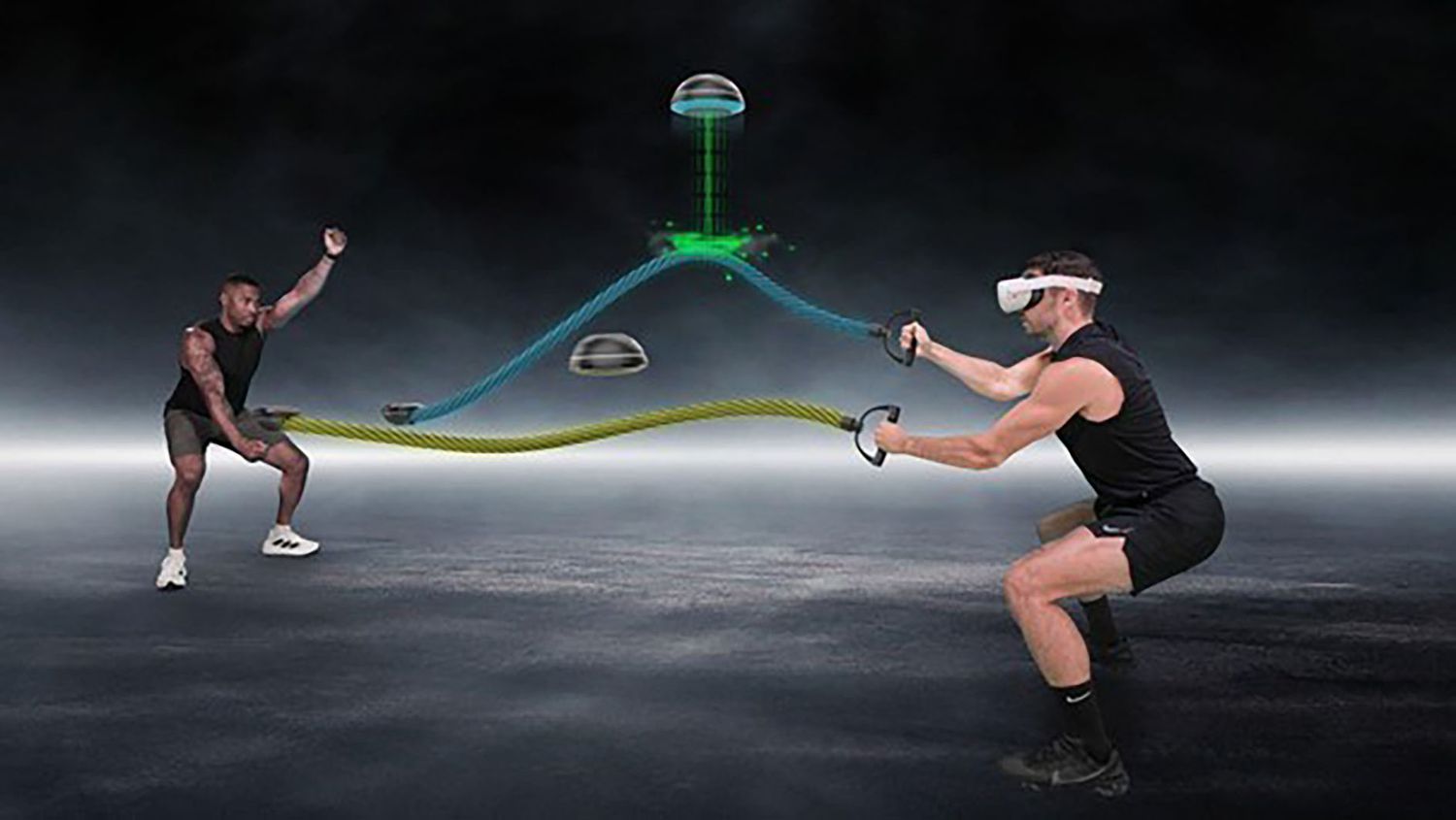
Meta’s existing ecosystem of VR fitness games and apps is a major advantage. Supernatural, with its stunning visuals and instructor-led workouts, remains a flagship title. FitXR offers a wide variety of boxing, dance, and HIIT classes. Les Mills Bodycombat brings the energy of the gym to your living room. I expect Meta to continue investing heavily in this space, potentially acquiring or partnering with other fitness developers.
The affordability factor is perhaps the Quest 4’s biggest strength. While the exact price is yet to be announced, it’s widely expected to be significantly lower than the Apple Vision Pro, making VR fitness accessible to a much wider audience. This accessibility is key to driving adoption and building a thriving VR fitness community.
Beyond individual workouts, the Quest 4 excels at social fitness. Working out with friends in virtual reality adds a layer of motivation and accountability. Meta’s social features make it easy to connect with others, join group classes, and compete on leaderboards. This social element can be incredibly powerful for staying consistent with your fitness routine.
Early reports suggest a lighter design and improved battery life for the Quest 4. These are both vital improvements for fitness applications. A comfortable headset that can last through a 45-minute workout is a game changer.
Tracking & Metrics: How Accurate Are They?
Accurate fitness tracking is essential for any workout device, and VR headsets are no exception. Both the Apple Vision Pro and the Meta Quest 4 utilize a combination of sensors – including accelerometers, gyroscopes, and potentially heart rate monitors – to estimate calorie expenditure, track movement, and monitor workout intensity. However, the accuracy of these metrics can vary significantly.
The Quest 3 already offers fairly reliable heart rate monitoring through its built-in sensor, and the Quest 4 is expected to improve upon this. The Vision Pro’s tracking capabilities are more focused on spatial awareness and hand/eye movements, and it’s unclear how accurately it will measure traditional fitness metrics. Independent testing will be crucial to determine which headset provides the most reliable data.
Integration with third-party fitness apps is also important. Both headsets can connect with Apple Health and Google Fit, allowing you to consolidate your fitness data in one place. However, the level of integration and the types of data shared may differ. I'm curious to see if the Vision Pro’s spatial awareness can be leveraged to provide real-time feedback on form and technique, helping users avoid injuries and maximize their workouts.
Apple Vision Pro vs. Meta Quest 4 for VR Fitness - 2026 Comparison
| Feature | Apple Vision Pro | Meta Quest 4 |
|---|---|---|
| Heart Rate Accuracy | Good | Good |
| Calorie Estimation Reliability | Fair | Good |
| Movement Tracking Precision | Excellent | Good |
| Form Correction Capabilities | Fair | Fair |
| Third-Party Integrations | Good | Excellent |
| Display Clarity & Comfort | Excellent | Good |
| Spatial Audio Quality | Excellent | Good |
| Ecosystem & App Availability (Fitness Focused) | Fair | Excellent |
Illustrative comparison based on the article research brief. Verify current pricing, limits, and product details in the official docs before relying on it.
App Ecosystem: Games vs. Structured Workouts
The app ecosystem is a critical differentiator between the two headsets. While both platforms offer a variety of fitness apps, they cater to different preferences. Meta’s Quest store boasts a wider selection of dedicated VR fitness apps, like Supernatural and FitXR, which offer structured workout programs led by certified trainers. These apps often include personalized training plans, progress tracking, and social features.
Apple’s App Store, while known for its quality control, currently lacks the same depth of VR fitness offerings. However, the platform’s focus on high-fidelity graphics and immersive experiences could attract developers who are looking to create more visually stunning and engaging workouts. There’s also the potential for Apple to leverage its existing fitness ecosystem – Apple Fitness+ – to create exclusive VR fitness content.
Game-based fitness options are available on both platforms. Beat Saber and Pistol Whip are popular choices that combine music, rhythm, and fast-paced gameplay to deliver a surprisingly effective workout. These games are a fun way to stay active, but they may not provide the same level of structured training as dedicated fitness apps. The cost of these apps and subscriptions varies widely. Supernatural, for example, requires a monthly subscription, while Beat Saber is a one-time purchase.
Currently, FitXR offers a subscription model with varying tiers, and new apps are appearing regularly. Apple’s pricing strategy for VR fitness apps remains to be seen, but it’s likely to align with its premium brand positioning.
Featured Products

Designed for Meta Quest 3S and Quest 3 headsets · Breathable material for enhanced comfort during workouts · Absorbs sweat to keep your face dry and cool
This mask ensures hygiene and comfort during intense VR workouts by effectively managing sweat.

Replacement PU leather foam for Meta Quest 2 · Provides a comfortable facial interface · Easy to clean and maintain
Upgrade your Meta Quest 2's comfort and hygiene with this easy-to-clean PU leather face cushion.

Available in 1lb, 2lb, and 3lb pairs · Includes thumb loops for secure fit · Suitable for running, strength training, and walking
Add resistance to your workouts with these versatile wrist weights, enhancing strength training and calorie burn.

Protective silicone covers for Meta Quest 3/3S controllers · Non-slip design for improved grip · Includes thumbstick covers for enhanced control
These grips offer enhanced control and protection for your VR controllers, preventing drops and improving handling.

Pack of two quiet 40mm USB fans · 3-speed control for adjustable airflow · 5V DC brushless design for efficient cooling
Keep your VR headset or gaming setup cool and prevent overheating with these compact and quiet USB fans.
As an Amazon Associate I earn from qualifying purchases. Prices may vary.
Comfort & Ergonomics: Long-Term Workout Viability
Comfort is paramount when it comes to VR fitness. A headset that’s too heavy, poorly balanced, or causes excessive heat buildup will quickly become a deterrent to exercise. The Meta Quest 3 received mixed reviews regarding comfort, and the Quest 4 is expected to address these concerns with a redesigned head strap and improved weight distribution.
The Apple Vision Pro, with its sleek design and premium materials, looks comfortable, but its weight and the external battery pack could be problematic during intense workouts. Adjusting the fit is crucial, and the headset needs to stay securely in place without causing excessive pressure on the face. User reviews and expert opinions will be essential to assess its long-term comfort.
Heat buildup is another common issue with VR headsets. Prolonged use can cause the lenses to fog up and the face cushion to become sweaty and uncomfortable. Adequate ventilation and a moisture-wicking face cushion are essential for mitigating this problem. Eye strain is also a potential concern, particularly with headsets that have a narrow field of view or a low refresh rate.
No comments yet. Be the first to share your thoughts!