
VR Fitness in 2026: A New Era
Virtual reality fitness is rapidly evolving, moving beyond a niche hobby to a legitimate workout option for many. We’ve seen consistent growth in both the hardware and software sides, with more people recognizing the benefits of immersive, gamified exercise. The expected arrival of the Apple Vision Pro 2 and Meta Quest 4 in 2026 feels like a turning point, promising to significantly elevate the VR fitness experience.
The appeal is clear: VR fitness offers a level of immersion traditional workouts simply can’t match. Gamification makes exercise more engaging, while built-in data tracking provides valuable insights into performance. Existing headsets have already demonstrated these advantages, but the next generation aims to address current limitations like resolution, comfort, and content availability.
Apple’s entry into the premium VR space with the original Vision Pro certainly grabbed attention. While expensive, it signaled a commitment to spatial computing that could reshape how we interact with digital fitness. Meta, meanwhile, has been building a solid foundation with its Quest series, focusing on accessibility and a growing ecosystem of fitness apps. 2026 will be the year we see how these two approaches clash and which one ultimately delivers the best VR fitness experience.
There’s a lot of hype surrounding Apple, naturally. But Meta has a head start, a dedicated user base, and a clear understanding of what VR fitness enthusiasts want. This comparison isn't just about specs; it’s about the overall ecosystem, the quality of the content, and the long-term viability of each platform. It's about finding the headset that will truly motivate you to push your limits.
Apple Vision Pro 2: Immersive Luxury
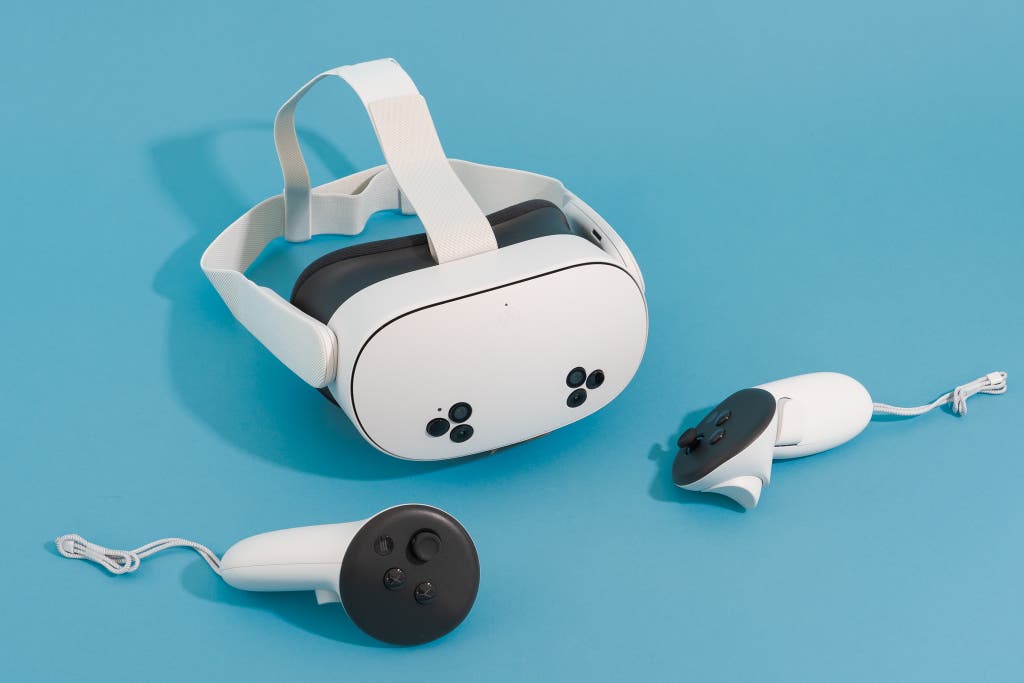
The Apple Vision Pro 2 is generating considerable buzz, and for good reason. Apple’s reputation for innovation and premium design suggests a headset that will prioritize visual fidelity and a seamless user experience. Rumors point to significant upgrades in display resolution, potentially exceeding 8K per eye, which would be a massive leap forward for clarity and immersion in VR workouts.
Processing power is also expected to receive a boost, likely through a new generation of Apple silicon. This is crucial for handling demanding VR fitness applications and maintaining smooth performance during intense activity. A more powerful processor will also enable more complex and realistic virtual environments, further enhancing the sense of presence.
Apple’s spatial computing approach is another key differentiator. Instead of simply displaying a virtual world, the Vision Pro 2 aims to blend digital content with your physical surroundings. This could translate to innovative fitness experiences, such as virtual trainers appearing in your living room or interactive workouts that utilize your existing furniture. The potential is exciting, but it also raises questions about how well this will work in smaller spaces.
One concern is heat dissipation. High-resolution displays and powerful processors generate a lot of heat, and prolonged use during a vigorous workout could lead to discomfort. Apple will need to address this with an effective cooling system. Another area to watch is the ecosystem of fitness apps. Apple Fitness+ is a strong starting point, but expanding that with dedicated VR fitness content will be essential. Integration with third-party apps like FitXR and Supernatural will also be crucial.
I suspect Apple will lean heavily into hand tracking and gesture control, potentially reducing the reliance on controllers for some workouts. This could offer a more natural and intuitive fitness experience, but it also requires extremely accurate and responsive tracking. The price point is also a major consideration. The original Vision Pro was incredibly expensive, and while a price reduction is expected for the Vision Pro 2, it will likely remain a premium product.
Meta Quest 4: Refining the Formula
Meta is taking a different approach with the Quest 4, focusing on refining the formula that made the Quest 3 a success. While Apple aims for groundbreaking innovation, Meta seems content to deliver incremental improvements at a more accessible price point. This is a smart strategy, as it allows them to reach a wider audience and maintain their dominance in the VR market.
Expect improvements in processing power, likely with a next-generation Qualcomm Snapdragon XR platform. This will enable higher-resolution graphics, faster load times, and more complex VR environments. The display resolution is also expected to increase, though it may not match the rumored specs of the Vision Pro 2. Meta will likely continue to use LCD panels, balancing cost and performance.
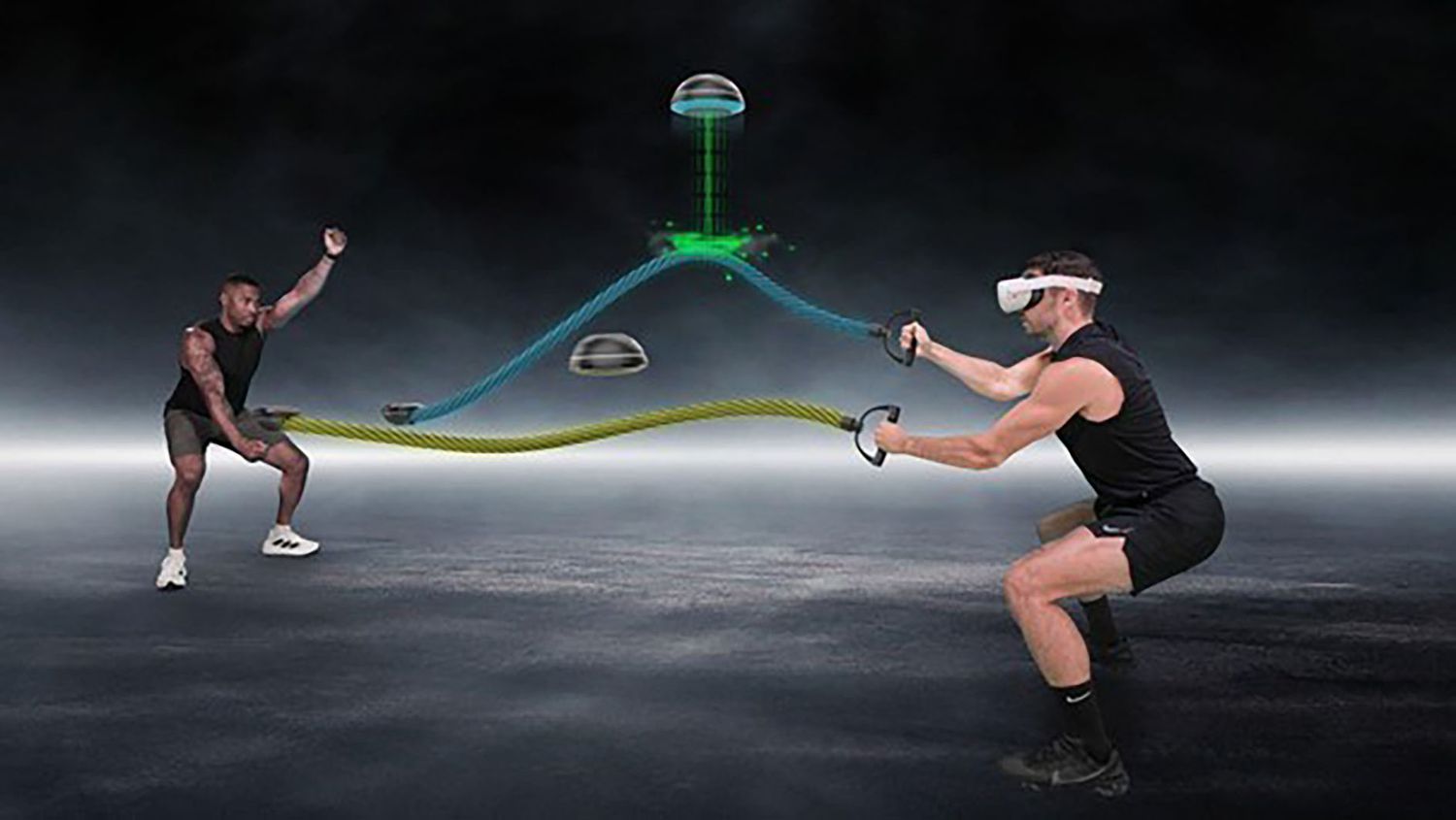
Meta’s strength lies in its established VR fitness library. The Quest store already offers a wide range of fitness apps, including popular titles like FitXR, Supernatural, and Beat Saber. Meta will likely continue to invest in this ecosystem, adding new content and features to attract and retain users. Improved hand tracking is another area of focus. More accurate and responsive hand tracking will open up new possibilities for fitness interactions.
Social fitness is also a key area for Meta. The Quest platform already supports multiplayer workouts, and Meta is likely to expand these features, allowing users to connect with friends and participate in group fitness classes. Integration with Facebook/Meta’s social platforms could further enhance the social aspect of VR fitness. I believe Meta will prioritize making VR fitness more accessible and social.
Affordability will be a major selling point for the Quest 4. Meta has consistently priced its headsets competitively, and they are likely to continue this trend. This makes VR fitness accessible to a wider range of consumers who may not be willing to spend a fortune on a premium headset. The Quest 4 will likely be the more practical choice for most fitness enthusiasts.
Display & Immersion: Seeing is Believing
The display is arguably the most important component of a VR headset, and the Apple Vision Pro 2 and Meta Quest 4 are expected to take different approaches. The Vision Pro 2 is rumored to feature micro-OLED displays with a resolution exceeding 8K per eye, offering unparalleled clarity and detail. This would be a significant improvement over the Quest 3’s LCD panels.
The Meta Quest 4 is expected to offer a resolution increase over its predecessor, but it’s unlikely to match the Vision Pro 2’s specs. Meta may opt for a higher-density LCD panel or explore alternative display technologies to improve visual fidelity. The refresh rate is also important, as it affects the smoothness of the VR experience. Both headsets are expected to offer a refresh rate of at least 90Hz, with the potential for 120Hz or higher.
Field of view (FOV) is another crucial factor. A wider FOV creates a more immersive experience, reducing the feeling of looking through goggles. The Vision Pro 2 is rumored to have a wider FOV than the Quest 3, but the exact numbers are still unknown. A wider FOV can also reduce motion sickness, as it provides a more natural sense of peripheral vision.
A sharper, wider field of view can dramatically improve the VR fitness experience, making workouts more engaging and reducing eye strain. However, higher resolution and FOV also require more processing power, which can impact performance and battery life. Visual fatigue is also a concern with high-resolution displays, especially during longer workouts. I’m not sure which display technology will ultimately prove superior, but clarity and comfort are paramount.
Apple Vision Pro 2 vs. Meta Quest 4: Display Characteristics for VR Fitness (2026)
| Display Characteristic | Apple Vision Pro 2 | Meta Quest 4 | Fitness Impact |
|---|---|---|---|
| Resolution | Excellent | Good | Higher resolution contributes to sharper visuals, reducing eye strain during extended workouts and improving immersion. Crucial for detail in virtual environments. |
| Refresh Rate | Excellent | Good | A higher refresh rate minimizes motion sickness and provides a smoother, more responsive experience, essential for fast-paced fitness games and routines. |
| Field of View | Good | Average | Wider field of view enhances immersion, making workouts feel more natural and less constrained. Impacts peripheral awareness during exercise. |
| Contrast Ratio | Excellent | Good | Higher contrast improves visual clarity and depth perception, making virtual environments more realistic and engaging, motivating longer workouts. |
| Screen Door Effect | Average | Poor | Reduced screen door effect (visibility of the pixels) significantly improves visual comfort and immersion, minimizing distractions during exercise. |
Illustrative comparison based on the article research brief. Verify current pricing, limits, and product details in the official docs before relying on it.
Tracking & Comfort: Staying in the Zone
Accurate and responsive tracking is essential for a seamless VR fitness experience. Both the Apple Vision Pro 2 and Meta Quest 4 are expected to utilize inside-out tracking, using onboard cameras to track your movements without the need for external sensors. However, the implementation and accuracy of these systems may differ.
The Vision Pro 2 is rumored to incorporate advanced eye tracking, which could enable foveated rendering – focusing processing power on the area of the display you’re looking at, improving performance and visual quality. It may also include body tracking capabilities, allowing for more accurate representation of your movements in VR. The Quest 4 is expected to refine its existing inside-out tracking system, improving accuracy and reducing latency.
Comfort is another critical factor, especially for longer fitness sessions. The Vision Pro 2’s design is still largely unknown, but Apple will need to address the weight and balance issues that plagued the original Vision Pro. A comfortable headset should be lightweight, ergonomically designed, and adjustable to fit a variety of head shapes and sizes.
The Quest 4 is expected to build on the Quest 3’s comfortable design, potentially incorporating improvements to the head strap and facial interface. Ventilation is also important, as prolonged use can lead to overheating and discomfort. Motion sickness is a common issue in VR, and both headsets will need to minimize this through a combination of high refresh rates, low latency, and well-optimized software.
I’m wondering how Apple will address the weight distribution with the Vision Pro 2. The original Vision Pro’s front-heavy design was a major complaint. A well-balanced headset is crucial for maintaining comfort during vigorous workouts. Accurate tracking and a comfortable fit are both essential for staying immersed in your VR fitness routine.
- Lightweight design: Minimizes strain during workouts.
- Ergonomic fit: Ensures comfort for extended use.
- Adjustable head strap: Accommodates different head sizes.
- Effective ventilation: Prevents overheating.
Fitness Ecosystems: Apps & Content
The availability of compelling fitness apps and content is a major differentiator between the Apple Vision Pro 2 and Meta Quest 4. Meta has a significant advantage in this area, with a well-established VR fitness library that includes popular titles like FitXR, Supernatural, Les Mills Bodycombat, and Beat Saber.
FitXR offers a variety of boxing, dance, and HIIT workouts, while Supernatural provides immersive, guided fitness experiences with stunning virtual environments. Les Mills Bodycombat brings the energy of a group fitness class to VR, and Beat Saber is a rhythm-based game that provides a surprisingly effective cardio workout. The Quest store also offers a wide range of other fitness apps, catering to different interests and fitness levels.
Apple’s fitness ecosystem is currently centered around Apple Fitness+, a subscription service that offers guided workouts across a variety of disciplines. It’s unclear how Apple will integrate Fitness+ with the Vision Pro 2, but they could potentially offer exclusive VR fitness content or adapt existing workouts for the VR environment. Integration with third-party fitness trackers and platforms, such as Strava and Peloton, would also be beneficial.
I’ve heard good things about Supernatural’s coaching features and the quality of its virtual environments. The ability to compete with friends and track your progress adds a social element that can enhance motivation. The availability of exclusive apps could also be a deciding factor for some users. The ease of discovering and accessing fitness content is also important. Both platforms need to provide a curated selection of high-quality apps and a seamless user experience.
The potential for new and innovative VR fitness experiences is immense. We can expect to see more games that gamify exercise, virtual trainers that provide personalized guidance, and immersive environments that transport you to exotic locations. The success of each platform will depend on its ability to attract developers and create a thriving ecosystem of fitness content.
- FitXR: Boxing, dance, HIIT workouts.
- Supernatural: Immersive, guided fitness experiences.
- Les Mills Bodycombat: VR group fitness classes.
- Beat Saber: Rhythm-based cardio game.
Essential VR Fitness Gear for Your Apple Vision Pro 2 and Meta Quest 4 Workouts

Designed for Meta Quest 3S, Quest 3, and Quest 2 · Breathable and sweat-absorbing material · Helps keep your face dry during intense workouts
This VR sweat mask is essential for maintaining comfort and hygiene during strenuous VR fitness sessions by effectively managing sweat.

Replacement head strap for Meta Quest 3S, Quest 2, and Quest 3 · Features double knobs for precise adjustment · Includes two large support pads to enhance stability and reduce pressure
This adjustable elite strap replacement offers superior comfort and support, distributing weight evenly to allow for longer, more intense VR workouts.
![FitXR: 6 Month Subscription - Meta [Digital Code]](https://m.media-amazon.com/images/I/718iSxuIiZL._AC_UY654_QL65_.jpg)
6-month subscription to FitXR · Digital code for Meta platforms · Offers a variety of boxing, dance, and HIIT classes
FitXR provides engaging and effective workout classes within VR, making fitness fun and accessible for users of both Apple Vision Pro 2 and Meta Quest 4.

Set of 3 VIVE Tracker 3.0 devices · Enables full-body tracking in compatible VR experiences · Designed for professional-grade tracking accuracy
For advanced fitness tracking and full-body immersion, these VIVE Trackers offer unparalleled precision, enhancing the effectiveness of VR workouts.

Cooling fan accessory for Oculus Quest 2 · Accelerates airflow to prevent lens fogging · Includes a sweat-proof face cover for added comfort
This VR fan system improves comfort during intense workouts by preventing lens fogging and managing sweat, ensuring a clear and cool experience.
As an Amazon Associate I earn from qualifying purchases. Prices may vary.
Price & Value: The Bottom Line
Price is a significant factor for most consumers, and the Apple Vision Pro 2 is expected to be considerably more expensive than the Meta Quest 4. The original Vision Pro launched at $3,500, and while a price reduction is anticipated for the Vision Pro 2, it will likely remain a premium product. The Meta Quest 4, on the other hand, is expected to be priced similarly to the Quest 3, potentially around $500-$700.
The overall value proposition of each headset depends on your budget and priorities. If you’re willing to spend a premium for the latest technology and the most immersive VR experience, the Vision Pro 2 may be the right choice for you. However, if you’re looking for a more affordable and accessible option, the Quest 4 is likely to offer the best bang for your buck.
Consider the cost of accessories, subscriptions, and additional content. VR fitness apps often require monthly subscriptions, and you may also need to purchase additional controllers or accessories. The total cost of ownership should be factored into your decision. Ultimately, the best headset is the one that meets your needs and budget.
Future-Proofing Your VR Fitness
Looking ahead, the long-term prospects of each platform are crucial to consider. Meta has a strong advantage in terms of developer adoption and market share. The Quest platform has a large and active community of developers, and Meta is committed to supporting VR innovation. This suggests that the Quest ecosystem will continue to grow and evolve in the years to come.
Apple’s success in VR will depend on its ability to attract developers and build a compelling ecosystem. While Apple has a strong brand and a loyal customer base, it’s still a newcomer to the VR market. The Vision Pro 2’s high price point could also limit its adoption, potentially hindering developer interest. Future updates and improvements will be essential for both platforms.
The potential for new features, such as improved hand tracking, eye tracking, and body tracking, could significantly enhance the VR fitness experience. Integration with other health and wellness platforms is also likely to become more common. Which headset is more likely to remain relevant and supported in the years to come? I think Meta has a strong advantage, but Apple’s innovation and resources could disrupt the market.
Ultimately, the future of VR fitness is bright. As technology continues to advance and content becomes more engaging, VR fitness is poised to become a mainstream workout option. Choosing the right headset is a personal decision, but considering the long-term prospects of each platform is essential.
No comments yet. Be the first to share your thoughts!