
The 73% shift to virtual reality
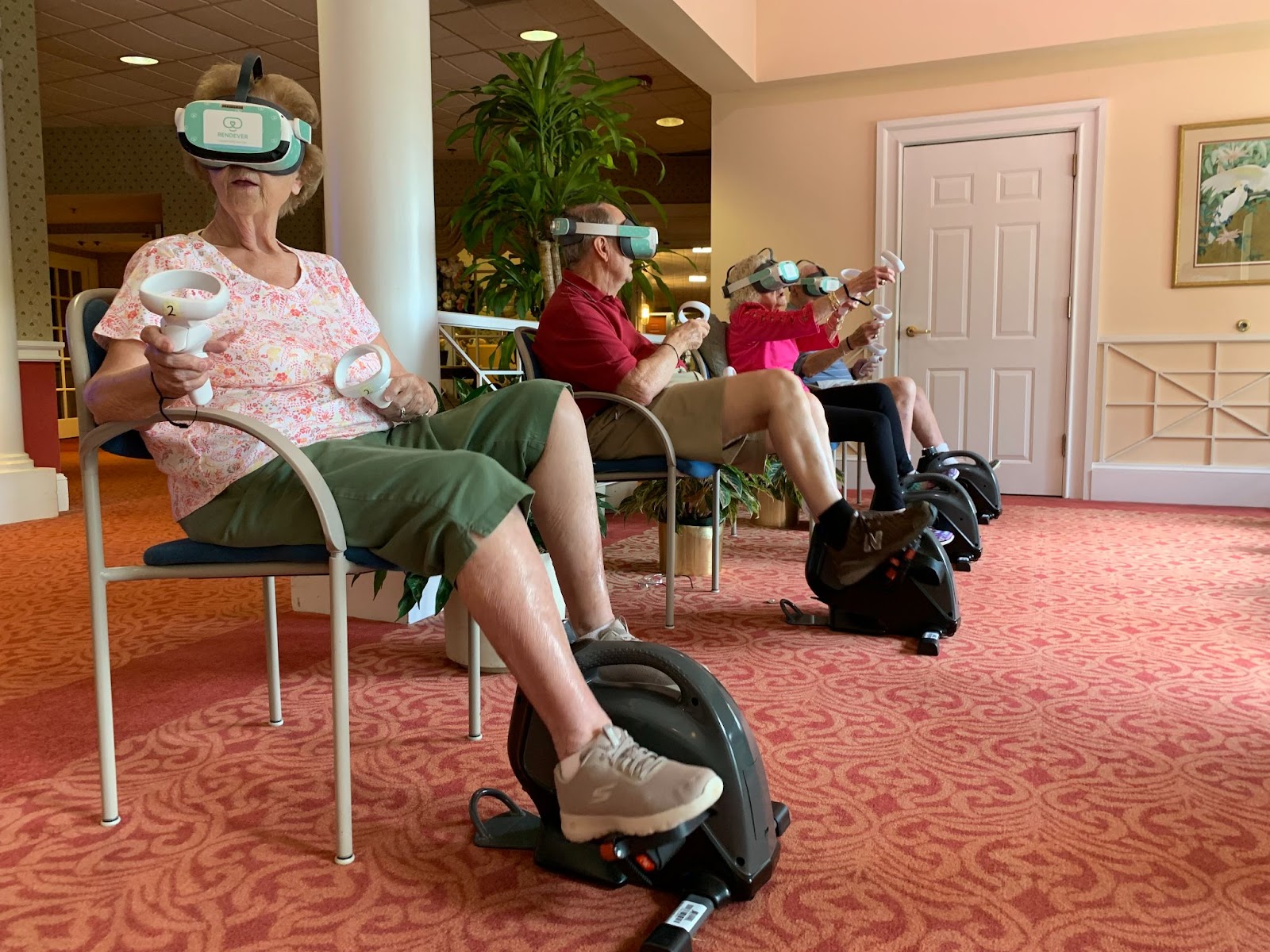
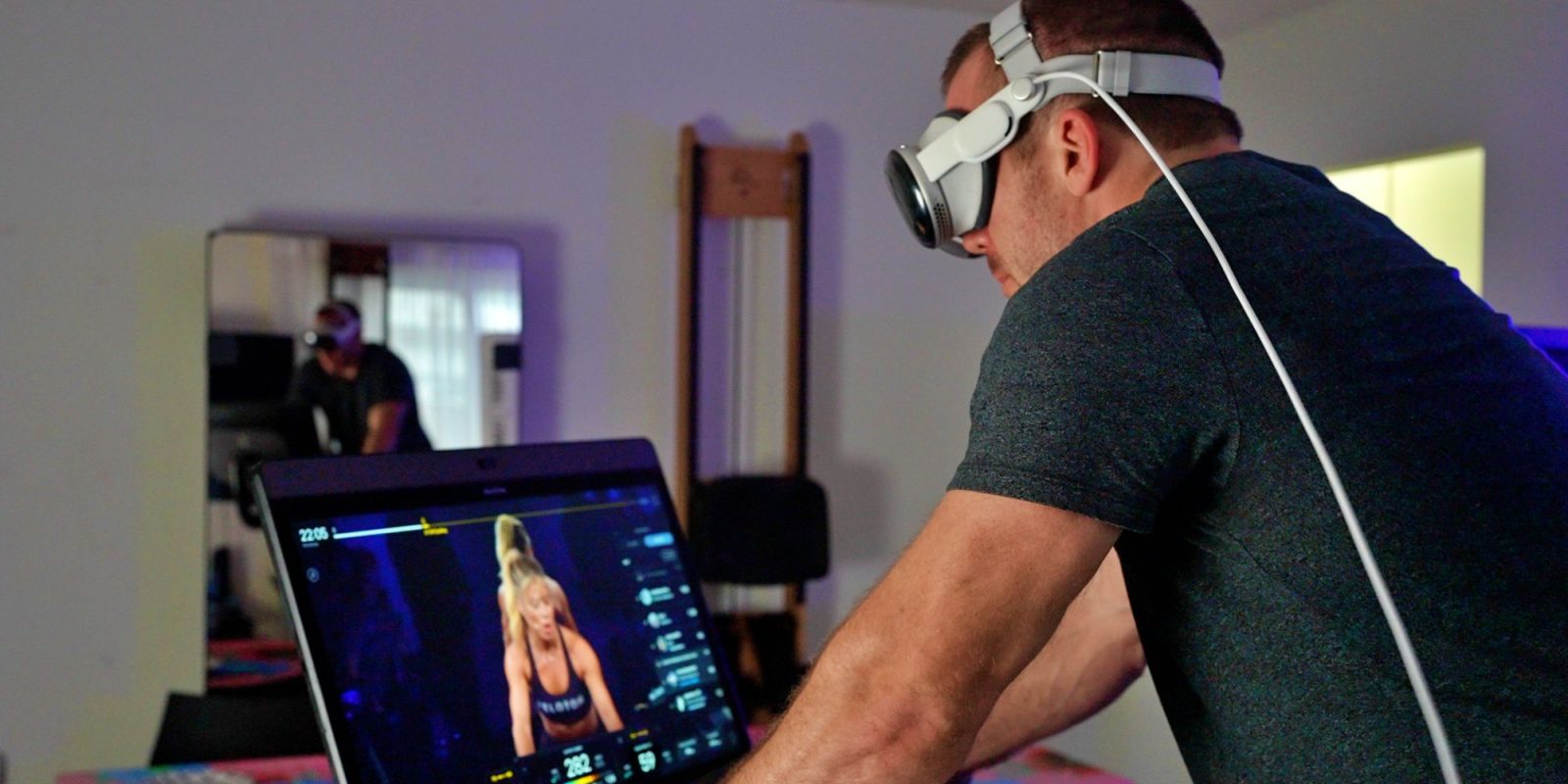
By 2026, a remarkable 73% of people are projected to choose virtual reality workouts over traditional gym settings. Think about someone who dreads the commute to the gym, or the crowded weight room, or simply can't find the time in their packed schedule. Virtual reality fitness offers a compelling alternative, bringing the workout to you. It's not about strapping on a helmet and passively watching a screen; it's about immersive exercise, where you’re actively engaged in a virtual environment.
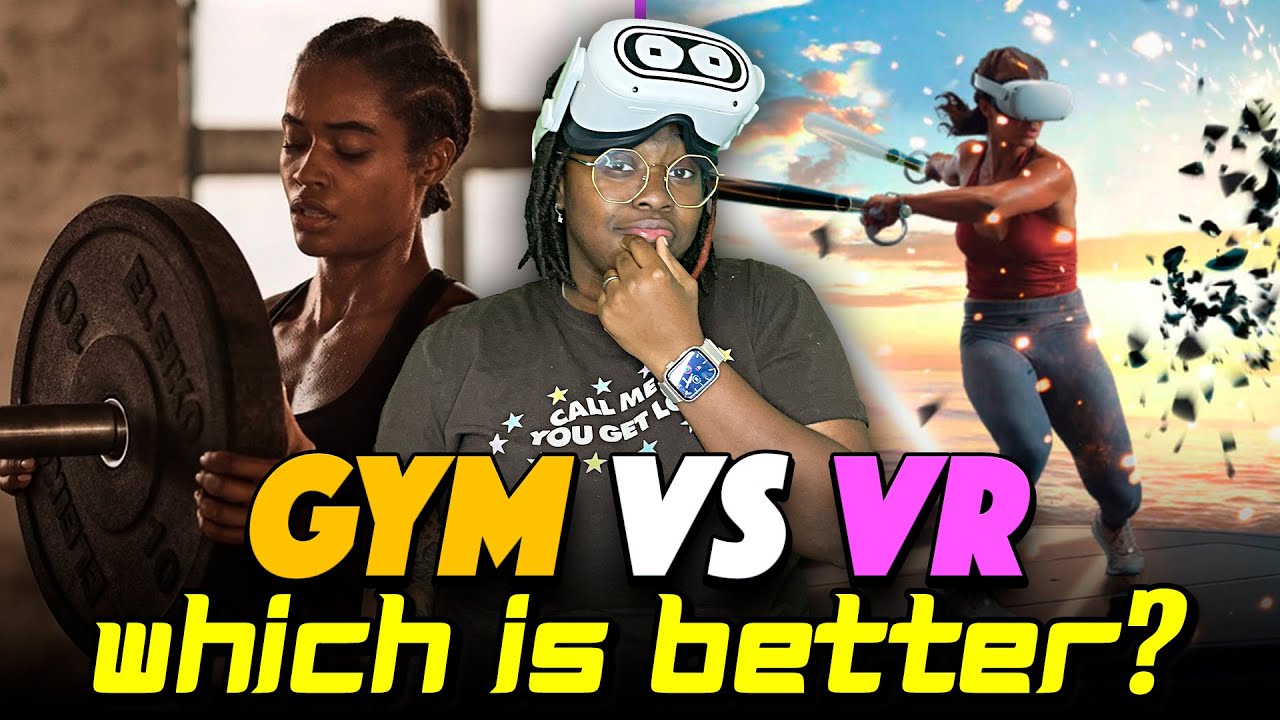
VR fitness utilizes headsets like the Meta Quest to create a sense of presence, making you feel like you're actually boxing in a ring, hiking a mountain, or dancing in a club. This isn't a futuristic pipe dream – it’s happening now, and gaining momentum. A great example of this growing enthusiasm can be seen in content creator Naysy’s recent YouTube video, highlighting the benefits of a VR fitness routine and their years of experience with FitXR.
People are moving away from exercise as a chore. The switch happens because VR is often cheaper and more convenient than a monthly membership. It makes working out accessible to people who might never step foot in a commercial gym.
Comparing costs: VR vs. gym memberships
Let's talk money. The cost of fitness is a major factor for many people. A typical gym membership in the US averages around $58 per month, but can easily exceed $100 depending on location and amenities. That adds up to $696 - $1200 per year, before factoring in travel costs or personal training sessions.
The initial investment for VR is higher. A Meta Quest 3, currently priced around $499, is the most popular entry point. Other headsets, like the HTC Vive XR Elite ($1099) offer different features, but also come with a steeper price tag. However, this is a one-time hardware cost. Ongoing expenses primarily involve VR game or app subscriptions, which typically range from $9.99 to $29.99 per month. FitXR, for example, operates on a subscription model.
While the upfront cost is significant, VR can be more affordable long-term, especially for families. A single VR headset can be used by multiple people, and the ongoing subscription costs can be lower than individual gym memberships. Keep an eye out for sales and bundles – retailers frequently offer discounts on VR hardware, particularly around holidays. The long-term value proposition of VR fitness is becoming increasingly clear.
VR Fitness vs. Traditional Gyms: A Comparative Overview
| Initial Cost | Monthly Cost | Convenience | Social Interaction | Workout Variety | Space Required |
|---|---|---|---|---|---|
| VR Fitness | Generally Lower | Potentially Lower | Can be Limited | High | Minimal |
| Traditional Gym | Generally Higher | Typically Moderate | Often High | Moderate | Significant |
| Initial Investment | Requires VR Headset & Accessories | Membership Fees & Potential Initiation Costs | N/A | N/A | N/A |
| Ongoing Expenses | Potential Game/App Purchases | Monthly Membership Dues | N/A | N/A | N/A |
| Accessibility | Work out from home, anytime | Travel time to and from gym | N/A | N/A | N/A |
| Community | Growing online communities, some apps offer multiplayer | In-person interaction with trainers and other members | N/A | N/A | N/A |
| Exercise Options | Wide range of games and apps covering cardio, strength, and flexibility | Dependent on gym equipment and class schedules | N/A | N/A | N/A |
Qualitative comparison based on the article research brief. Confirm current product details in the official docs before making implementation choices.
Moving beyond cardio
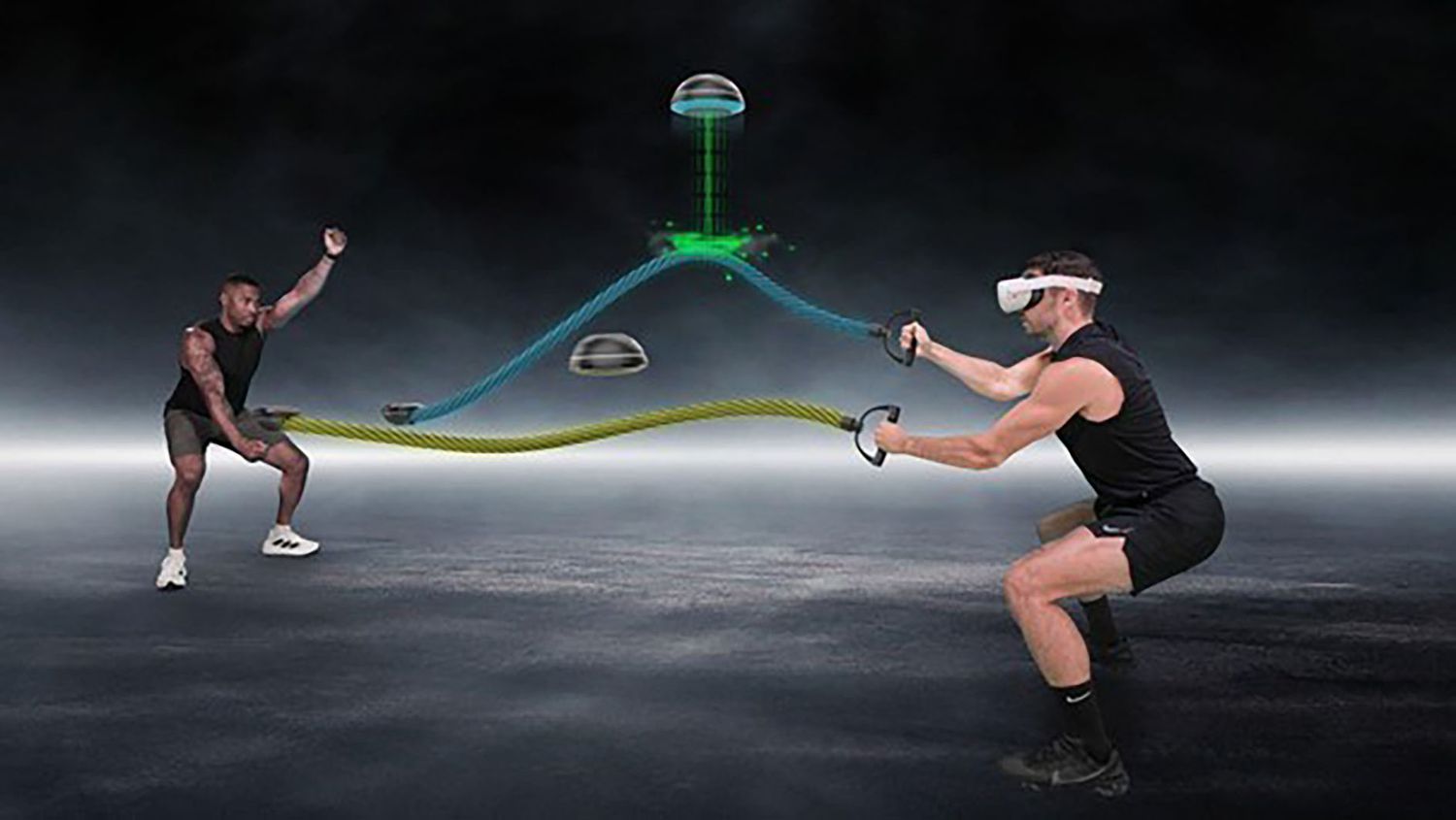
Traditional gyms, while offering a range of equipment, can become repetitive. You're limited by what the gym provides. VR, however, unlocks an almost limitless variety of workouts. You’re not just stuck on a treadmill or elliptical. You can box with FitXR, dance your heart out to energetic music, participate in high-intensity interval training (HIIT) routines, climb virtual mountains, or even row down a virtual river.
This variety isn’t just about physical exercise; it’s about psychological benefits too. Boredom is a major reason people abandon their fitness routines. VR combats this by constantly offering new and engaging experiences. Want to try a new workout? Simply download a new app or routine. The possibilities are endless. This constant novelty keeps things fresh and motivating.
VR fitness isn't limited to cardio. Many apps offer strength training exercises using virtual weights or resistance bands. You can improve your flexibility with yoga and Pilates routines in immersive environments. Fitness Own offers a diverse selection of VR workout routines designed to target different muscle groups and fitness levels. It's a full-body workout solution, all within the comfort of your home.
Gamification and motivation
One of the biggest challenges with any fitness routine is staying motivated. VR excels at this through gamification. Most VR fitness apps incorporate points, leaderboards, challenges, and immersive environments to turn exercise into a game. It’s not just about burning calories; it’s about achieving high scores, unlocking new levels, and competing with friends.
This isn’t simply about distraction; it’s about tapping into our intrinsic motivation. The feeling of accomplishment, the sense of progress, and the social interaction all contribute to a more enjoyable and sustainable workout experience. It’s a powerful combination that keeps people coming back for more. It’s a far cry from the monotony of traditional gym workouts.
Social VR fitness adds another layer of motivation. Many apps allow you to work out with friends or other users in a virtual space. This sense of community can be incredibly motivating and provides a much-needed social element to home exercise. The shared experience makes the workout more fun and engaging.
What's the biggest factor keeping you motivated to exercise?
Vote below and tell us which factor plays the biggest role in helping you stay consistent with workouts, whether in VR or at a traditional gym.
Working out from home
A significant barrier to exercise is the simple act of getting to the gym. The commute, the parking, the time commitment – it all adds up. VR eliminates these obstacles. Your gym is now your living room. You can work out whenever you have a few free minutes, without leaving the house.
This convenience is especially appealing for people with busy schedules or limited mobility. It’s also a game-changer for parents who struggle to find time for exercise. You can squeeze in a quick workout while the kids are napping or after they’ve gone to bed. Fitness Own emphasizes the benefits of home VR exercise, making fitness accessible to everyone.
You do need a clear area to move around – roughly 6ft x 6ft is recommended for most VR workouts – but it doesn't have to be a dedicated gym. A living room, bedroom, or even a spacious office can suffice. The portability of VR headsets means you can even take your workout with you when you travel.
Motion sickness and isolation
VR has downsides. Some people get motion sickness, or 'cybersickness.' If you feel dizzy, start with five-minute sessions and keep a fan blowing on your face to stay oriented. Don't try to push through the nausea; just take the headset off.
Another concern is the potential for social isolation. Spending too much time immersed in virtual reality could lead to reduced real-world social interaction. However, this can be mitigated by actively seeking out social VR fitness experiences and balancing VR workouts with other social activities. The key is to find a healthy balance.
The availability of social VR fitness apps – where you can work out with friends or join virtual fitness classes – helps address the isolation concern. It provides a sense of community and camaraderie, making the workout more enjoyable and motivating. Ultimately, VR fitness should be viewed as a complement to, not a replacement for, a healthy and balanced lifestyle.
Featured Products

Thirty Percent Sharper Resolution · 2X Graphical Processing Power · Wireless Virtual Reality
The Meta Quest 3 offers a significant upgrade in visual fidelity and processing power for a truly immersive and wire-free VR fitness experience.

Includes Horizon Call of The Mountain™ Game · High-Fidelity Visuals · Immersive Gameplay
The PlayStation VR2 bundle provides a compelling entry point into VR fitness with a popular game title and advanced visual capabilities.

Enterprise-Grade VR Headset · High-Resolution Display · Comfortable Design
The Pico 4E is a robust VR headset suitable for dedicated fitness enthusiasts seeking a high-quality and comfortable experience.

6m Extension Cable · DP, USB Type-C Connectors · Replacement for HP Reverb G2
This 6-meter replacement cable extends connectivity for HP Reverb G2 users, ensuring uninterrupted VR fitness sessions.
As an Amazon Associate I earn from qualifying purchases. Prices may vary.
No comments yet. Be the first to share your thoughts!