
Beyond the Treadmill: VR's Muscle-Building Potential
For years, building strength meant gyms, weights, and repetitive exercises. It’s tough to stay motivated, find the time, and actually enjoy pushing your limits. What if you could step into your workout, making routines immersive? That’s the promise of virtual reality fitness, and by 2026, it’s a reality.
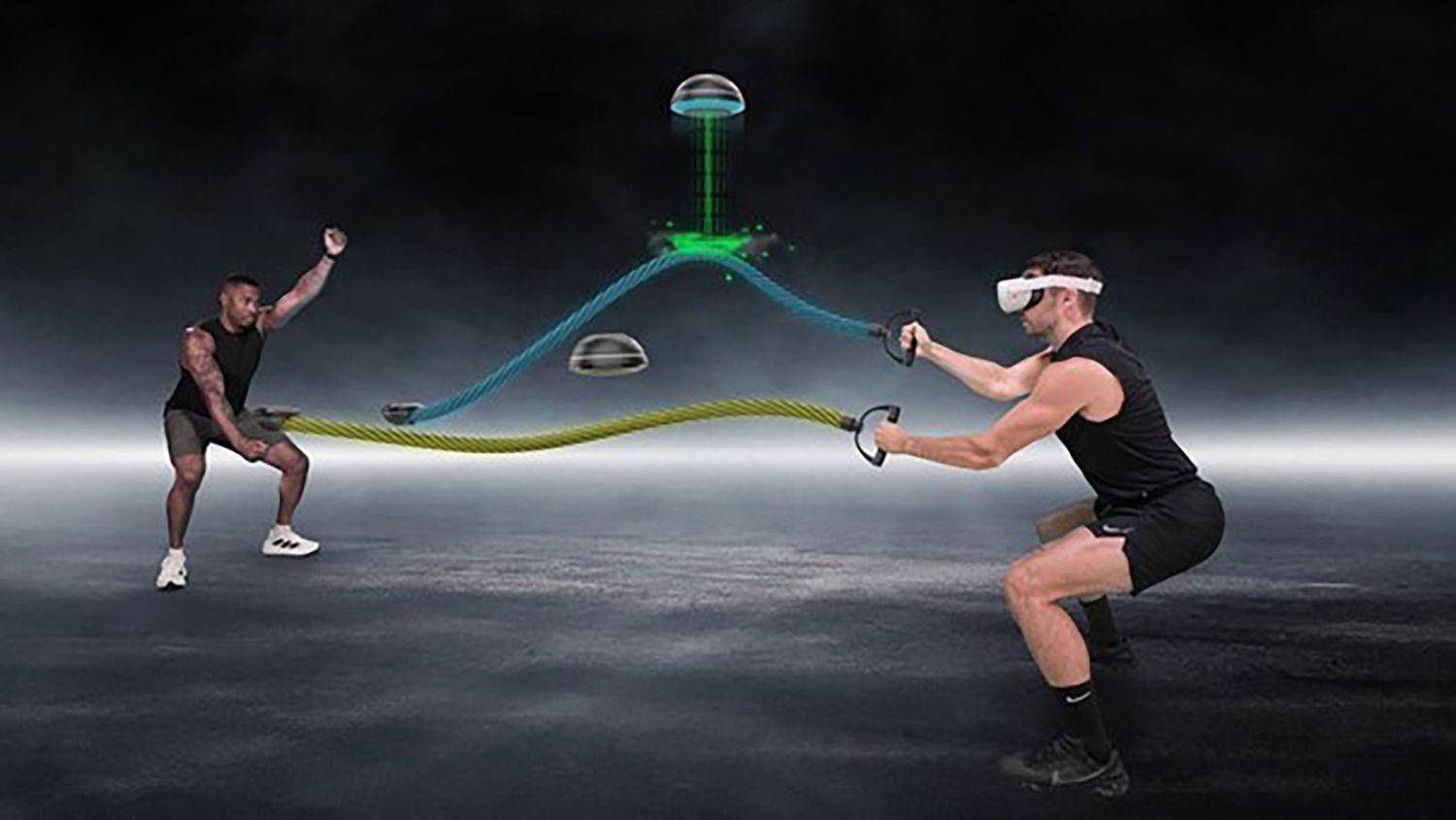
VR isn’t just about fun and games; it can revolutionize strength training. Immersion is key. By engaging your senses, VR distracts you from the burn, making workouts feel less strenuous. Gamification turns exercise into a challenge, pushing you harder and tracking progress rewardingly. Motion tracking, always improving, allows precise form correction and feedback.
VR isn’t a magical shortcut to a stronger physique. It’s a tool, and its effectiveness depends on how you use it. Advancements in VR hardware – lighter headsets, more precise controllers – and sophisticated software mean effective VR muscle building is possible. The apps available now are far beyond simple games, and 2026 brings more innovation.
FitXR: Boxing and Strength Classes
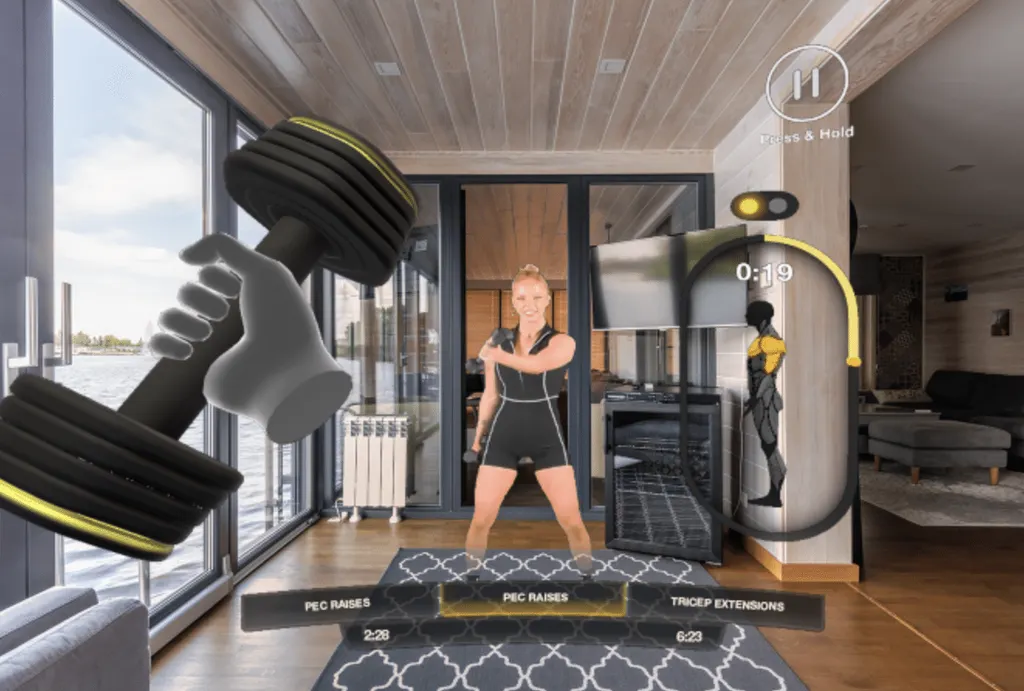
FitXR is a dominant force in VR fitness. While known for boxing, it’s expanded its strength training. You can find classes for HIIT, dance, and strength routines using virtual dumbbells and bodyweight exercises. Variety keeps things engaging and prevents workout boredom.
FitXR's instruction is high quality, with certified trainers leading each class. The platform creates a sense of presence – you feel like you’re in a fitness studio with an instructor motivating you. Tracking through the headset and controllers provides feedback on your form and ensures you’re hitting targets. It’s compatible with Meta Quest and Pico headsets, making it accessible.
Dr. Tine G, in her YouTube video from March 12, 2026, highlights FitXR’s effectiveness for building endurance and providing a full-body workout. She notes the platform makes workouts feel less like a chore and more like a fun, engaging activity. While it might not replace heavy weightlifting for serious bodybuilders, FitXR is an excellent option for building functional strength and improving overall fitness. It’s a solid starting point for anyone new to VR fitness.
Supernatural: Guided Workouts & Scenic Environments
Supernatural distinguishes itself with beautiful, dynamically changing environments. Workouts take place in stunning virtual landscapes – from Machu Picchu’s peaks to the ocean’s depths – and the scenery isn’t just cosmetic. Developers designed the environments to be motivating, believing a beautiful backdrop can enhance your workout experience.
Supernatural incorporates strength training elements but leans heavily towards cardio. You’ll find routines using virtual weights and resistance bands, with emphasis on high-repetition movements and a fast pace. It’s a fantastic way to get your heart rate up and burn calories, but if your primary goal is building significant muscle mass, you might need to supplement it with other strength training.
Supernatural operates on a subscription model, a significant consideration. At $19 per month, it’s pricier than some VR fitness apps. You lose access to workouts if you cancel. However, many users find the immersive experience and consistently updated content worth the cost. It’s a premium experience, and the price reflects that.
Les Mills Bodycombat: Real-World Classes, VR Format
Les Mills Bodycombat brings the energy and intensity of its real-world martial arts-inspired fitness classes directly into your VR headset. The VR version isn’t a recording of a live class; it’s adapted for the platform, taking advantage of VR’s capabilities to create a more immersive and engaging experience.
A big benefit of Les Mills Bodycombat in VR is brand familiarity. For those familiar with Les Mills classes, the transition to VR is seamless. The instructors are the same, the choreography is similar, and the vibe is instantly recognizable. This is motivating for people who enjoy the structure and energy of a Les Mills class.
Bodycombat VR’s intensity is high, making it suitable for individuals with some fitness experience. Tracking is solid, accurately capturing your movements and providing feedback on your form. While it might not be the most innovative app on this list, its reliable performance and established brand recognition make it a strong contender for a challenging and effective VR workout.
Viking Princess VR: Gamified Strength Training
Viking Princess VR takes a different approach to VR fitness, focusing on gamification. Forget traditional class structures; here, you’re a Viking warrior completing quests and battling enemies to build strength and endurance. The app features a progression system, unlocking new exercises and challenges as you improve.
Viking Princess VR’s emphasis is on fun. While it offers a genuine strength training workout, it prioritizes engagement and enjoyment. The exercises are varied and challenging, but presented in a way that feels less like work and more like play. This is a good option for people who get bored easily with traditional workouts.
Dr. Tine G’s video details a 30-day plan available within the app, designed to help users build strength and improve fitness levels. She highlights the app makes exercise feel less daunting and more accessible. It’s not the most intense workout on this list, but it’s an effective way to build a consistent fitness habit. It’s a good choice if you want to sneak in a workout without it feeling like a chore.
Which VR Workout is Right For You?
Virtual Reality is revolutionizing strength training! With a growing number of apps available, finding the perfect fit for your needs can be tricky. This quick quiz will help you determine which of the top VR muscle-building apps – from immersive boxing to dynamic weightlifting simulations – best aligns with your fitness level, preferences, and goals.
Holofit: Rowing and Beyond – A Full-Body Approach
Holofit integrates with fitness equipment, most notably rowing machines. This versatility lets you combine the immersive VR experience with real-world exercise. Holofit also supports other equipment and offers bodyweight exercises.
The app features virtual environments to explore while you work out, from scenic rivers to futuristic landscapes. The visual experience isn’t as polished as some apps on this list, but it’s engaging and motivating. The focus is on providing a functional and versatile workout platform, not stunning graphics.
undefined VR platforms is a key advantage. It works with Meta Quest, HTC Vive, and other VR headsets. However, you’ll need to have compatible fitness equipment to get the most out of it. If you already own a rowing machine or other compatible device, Holofit is an excellent way to add a new dimension to your workouts. If not, the bodyweight option is still viable.
Tracking Progress & Staying Motivated
Tracking your progress is essential for staying motivated in any fitness journey, and VR fitness is no exception. Most of the apps we’ve discussed offer built-in tracking features, allowing you to monitor your workouts, calories burned, and other key metrics. However, the level of detail and integration with other fitness platforms varies.
Some apps allow you to export your workout data to popular fitness trackers like Fitbit or Apple Health, while others keep the data within their own ecosystem. This can be a limitation for those who prefer to have all their fitness data in one place. It’s worth checking the compatibility of each app with your preferred tracking tools before making a purchase.
Beyond data tracking, the social aspects of VR fitness can also play a significant role in motivation. Some apps offer competitive leaderboards or opportunities to work out with friends. The sense of community can help you stay accountable and push yourself harder. Finding a VR fitness buddy can make all the difference in sticking to your workout routine.
VR Strength Training App Comparison - 2026
| App Name | Workout Variety | Immersion | Tracking Quality | Motivation Features |
|---|---|---|---|---|
| Supernatural | High | High | Medium | High |
| FitXR | Medium | Medium | Medium | Medium |
| Les Mills Bodycombat | High | Medium | Medium | High |
| Holofit | Medium | High | Medium | Medium |
| VZfit | Medium | Low | High | Medium |
Illustrative comparison based on the article research brief. Verify current pricing, limits, and product details in the official docs before relying on it.
The Future of VR Strength Training
The future of VR muscle building is incredibly exciting. We can expect to see continued advancements in hardware, with lighter, more comfortable headsets and more precise tracking capabilities. Software will also evolve, with more realistic simulations, personalized workout plans, and AI-powered personal trainers that adapt to your individual needs.
Haptic feedback is another area ripe for innovation. Currently, haptic feedback in VR is limited, but as the technology improves, it will be possible to feel the resistance of weights, the impact of punches, and the texture of virtual objects. This will significantly enhance the immersion and effectiveness of VR workouts.
Ultimately, VR fitness has the potential to become more integrated with traditional gyms and fitness programs. We might see VR stations in gyms, allowing members to access a wider range of workouts and experiences. While challenges remain – cost, accessibility, and the need for ongoing content development – the potential benefits of VR strength training are too significant to ignore. It’s a space to watch closely.

No comments yet. Be the first to share your thoughts!