
Vision Pro 2 as a fitness baseline
The first Apple Vision Pro was a technical marvel, but it was too heavy and clunky for a serious workout. Rumors about the second version suggest Apple is fixing the weight distribution and increasing the field of view. These changes matter because they target the physical friction that stops people from wearing a headset while sweating.
Previous VR headsets often struggled with motion sickness due to low refresh rates and screen-door effect, a visible grid pattern that breaks immersion. The increased resolution and processing power of the Vision Pro 2 should minimize these issues. A wider field of view is also critical, creating a more natural and believable sense of presence. The comfort aspect is perhaps the most underrated. No one wants a heavy, uncomfortable headset digging into their face during a high-intensity workout. Apple’s focus on a better weight distribution will be a game-changer.
For too long, VR fitness felt like a novelty – a fun gimmick, but not a serious workout alternative. The Vision Pro 2 aims to bridge that gap. It’s about moving beyond tech demos and into genuinely compelling fitness experiences. The increased fidelity and comfort level will allow users to fully immerse themselves in workouts, maximizing effort and enjoyment. It will move VR fitness from being something you try to something you want to do.
This isn't just about better specs; it's about a shift in perception. Apple has a knack for making complex technology feel accessible and intuitive. If they can deliver on the promise of a seamless and immersive VR fitness experience, the Vision Pro 2 could become the benchmark against which all other VR fitness devices are measured.
Apps moving beyond gaming
The success of the Vision Pro 2 in the fitness space won’t hinge solely on Apple’s hardware. The software ecosystem – the fitness apps themselves – will be equally important. Thankfully, several companies are already laying the groundwork. Supernatural, a popular subscription-based VR fitness app, is known for its beautifully designed environments and coach-led workouts. They've publicly stated they are actively developing support for the Vision Pro 2, focusing on leveraging the new spatial audio capabilities.
FitXR, another key player, offers a variety of boxing, HIIT, and dance workouts. They’re taking a similar approach, optimizing their existing content for the higher resolution displays and hand tracking of the Vision Pro 2. Les Mills Bodycombat, a VR adaptation of the popular fitness class, is also expected to be a strong contender. The precision of hand tracking will be particularly beneficial for accurately replicating boxing and martial arts movements. Holofit, which combines VR with real-world exercise equipment like stationary bikes and rowers, is uniquely positioned to take advantage of the Vision Pro 2’s immersive capabilities.
Porting existing VR fitness apps to the Vision Pro 2 isn’t simply a matter of recompiling code. The device’s unique input methods – primarily hand and eye tracking – require significant adaptation. Developers need to rethink how users interact with the virtual environment. The high-resolution displays also demand a higher level of graphical fidelity, potentially requiring substantial optimization. However, the potential rewards are immense.
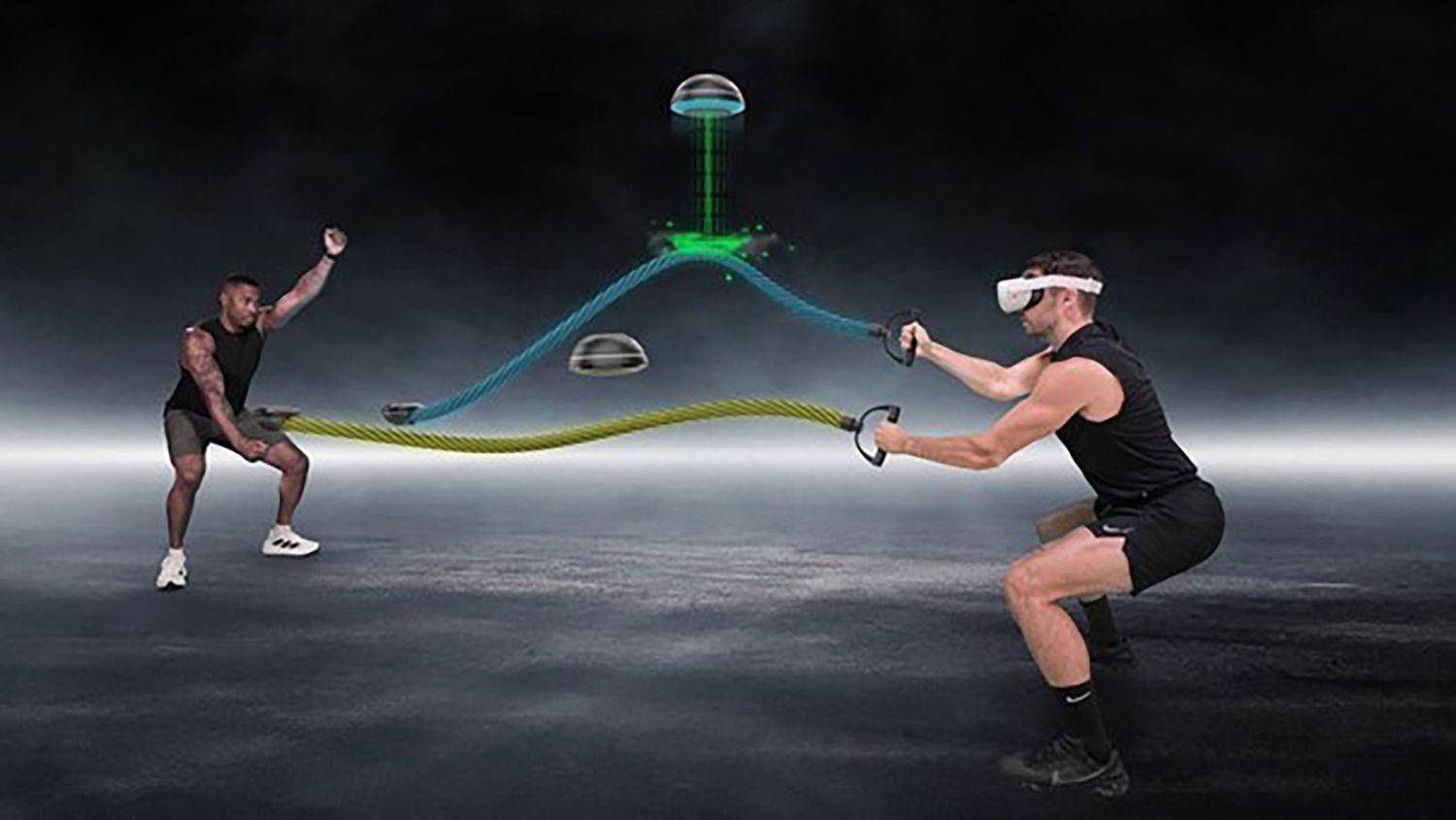
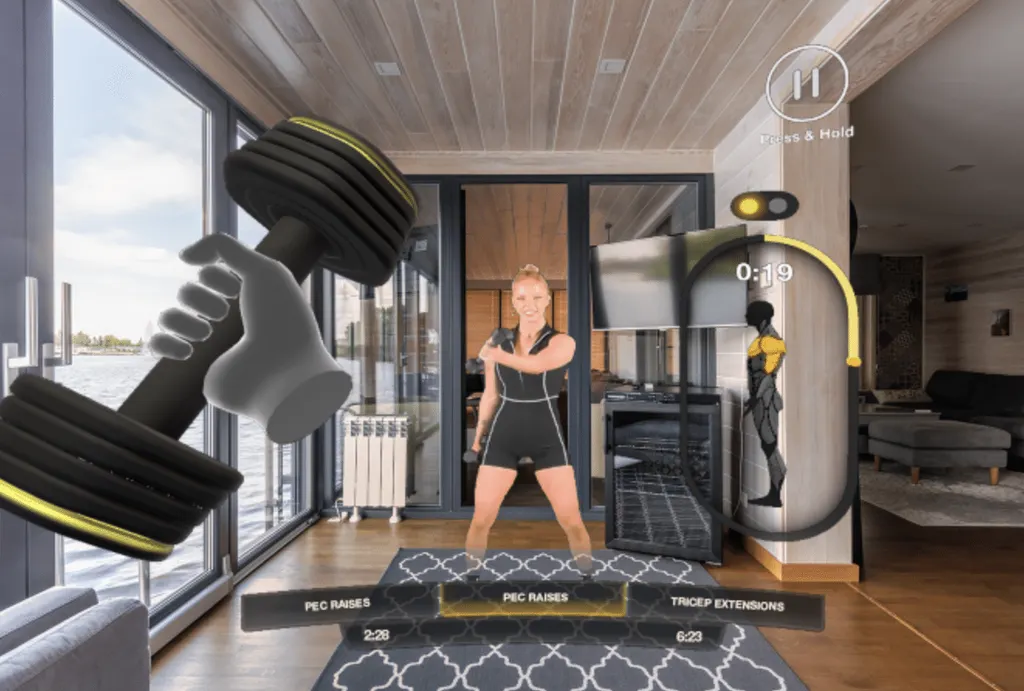
New apps are using pass-through video to let you see your actual surroundings while you move. This means you can lift real dumbbells or use a yoga mat without hitting a wall. Developers are moving away from pure cardio into strength training and guided stretching that uses the room you're actually standing in.
Tried a virtu🔥al reality workout Sweating in space! Anyone else tried VR fitness? VRWorkout pic.twitter.com/p9tS0CrLUY
— julio otaiza (@juliootaiza) May 4, 2026
Spatial computing and custom routines
The Vision Pro 2’s spatial computing capabilities are arguably its most transformative feature for fitness. Unlike traditional VR, which creates a fully enclosed virtual world, spatial computing blends the digital and physical realms. This opens up exciting possibilities for personalized and adaptive workouts. The device’s cameras and sensors can track the user’s movements with incredible accuracy, providing real-time feedback on form and technique.
Imagine doing squats and receiving immediate visual cues if your back isn’t straight or your knees are caving in. Or performing a boxing combination and getting feedback on your punch accuracy and power. This level of personalized guidance was previously only available with a personal trainer. The environment itself can dynamically adjust to the user’s fitness level and goals. Workouts can become progressively more challenging as the user improves, ensuring they're always pushing their limits.
The headset syncs directly with Apple Health to track heart rate and calories. I expect this data will eventually let the software suggest harder routines if your heart rate stays too low during a session. While Apple usually keeps things in its own ecosystem, connecting to a Garmin or Fitbit would make the data much more useful for people who don't just exercise indoors.
The potential for data collection is significant, but it also raises privacy concerns. Apple will need to be transparent about how this data is used and ensure users have control over their information. However, if handled responsibly, this data can unlock a new era of personalized fitness, helping users achieve their goals more effectively.
The Rise of Immersive Fitness Environments
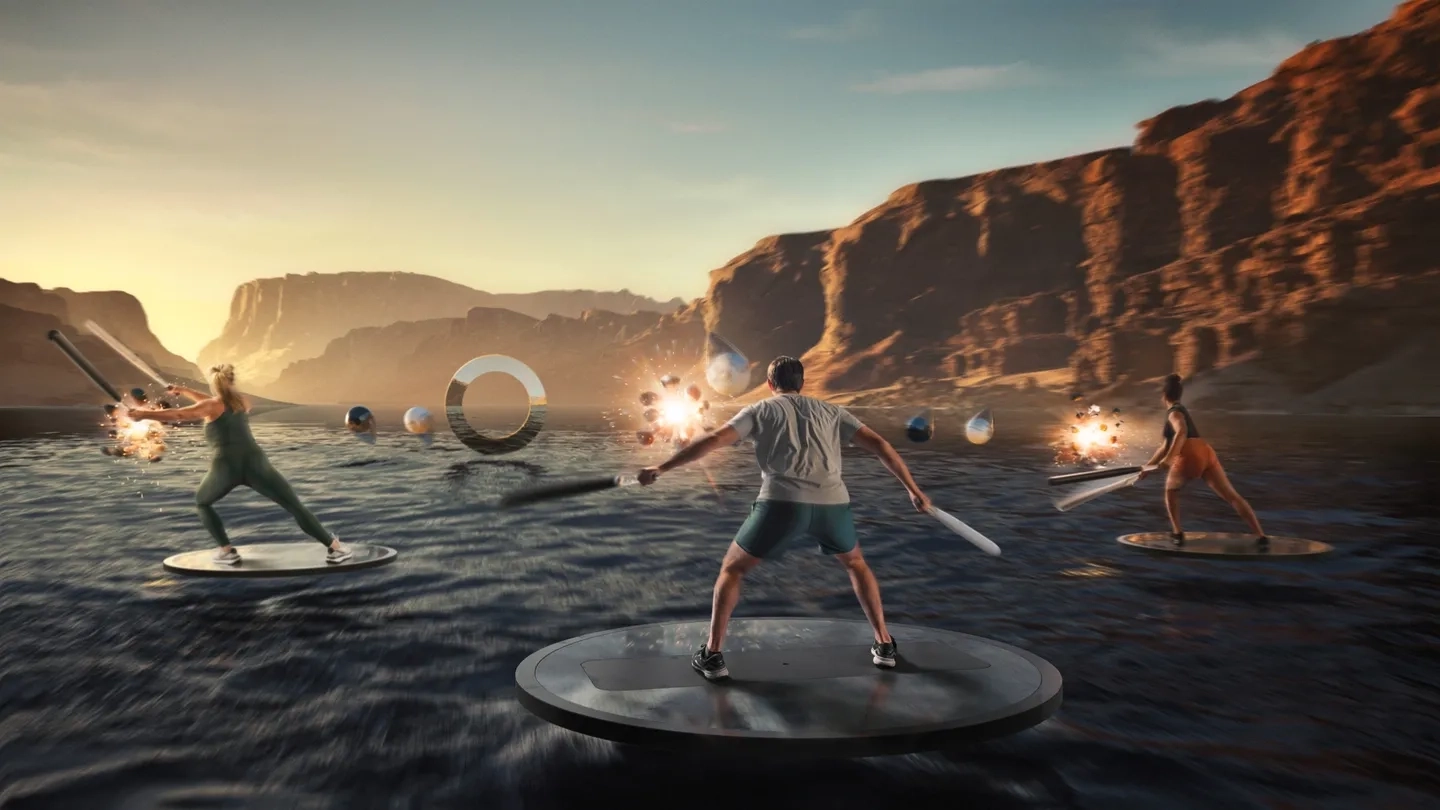
The Vision Pro 2’s display quality and spatial audio will be instrumental in creating truly immersive workout environments. Forget generic virtual gyms; imagine running through a photorealistic jungle, battling opponents in a futuristic arena, or cycling along a breathtaking virtual coastline. The higher resolution and wider field of view will dramatically enhance the sense of presence, making these environments feel incredibly real.
Spatial audio is equally important. Sound cues can provide valuable feedback during workouts, enhancing motivation and immersion. Imagine hearing the roar of a crowd as you sprint towards the finish line or the crashing waves as you cycle along the coast. The Vision Pro 2’s advanced audio capabilities will create a more believable and engaging experience. The increased display fidelity will also reduce eye strain during longer workouts.
Haptic feedback will play a role, although it will likely require additional accessories. While the Vision Pro 2 itself doesn’t have built-in haptics, third-party developers could create haptic suits or gloves that provide tactile feedback during workouts. Imagine feeling the impact of a punch in a boxing game or the resistance of a weight during a strength training exercise. This would further enhance the sense of immersion and realism.
The creative possibilities for game developers and fitness instructors are virtually limitless. We could see workouts that incorporate elements of gamification, turning exercise into an adventure. Or instructors could lead live virtual classes in exotic locations, providing a more engaging and motivating experience.
Social Fitness: Working Out Together, Virtually
VR fitness has always had a social component, but the Vision Pro 2 has the potential to take it to the next level. We’re likely to see a surge in group fitness classes in VR, allowing users to work out with friends or strangers from around the world. The device’s high-quality visuals and spatial audio will make these classes feel more immersive and engaging. Imagine attending a virtual yoga class on a tropical beach or a high-intensity interval training session in a futuristic city.
The Vision Pro 2 can also facilitate real-time interaction and motivation between users. Avatars can be used to represent users in the virtual world, allowing them to see each other and interact in a natural way. The device’s hand tracking capabilities will enable more expressive gestures and communication. This level of social interaction can significantly enhance motivation and adherence.
Virtual personal training is another exciting possibility. A certified trainer could provide personalized guidance and feedback to users in real-time, just as they would in a traditional gym. The Vision Pro 2’s sensors can track the user’s movements and provide data to the trainer, allowing them to tailor the workout to the user’s specific needs. The quality of the avatar representation will be important for building rapport and trust.
Creating a truly social VR fitness experience isn’t without its challenges. Ensuring a smooth and reliable connection is crucial. Addressing issues of online etiquette and harassment is also important. But the potential benefits – increased motivation, accountability, and enjoyment – make it a worthwhile pursuit.
Content is being updated. Check back soon.
Price and comfort problems
Despite its potential, the Vision Pro 2 faces some significant hurdles. The price point is the most obvious. The original Vision Pro was expensive, and the Vision Pro 2 is likely to be similarly priced. This will limit its accessibility to a relatively small segment of the population. Apple needs to find ways to make VR fitness more affordable, perhaps through financing options or subscription services. Third-party developers could also create more affordable VR fitness experiences.
Comfort and ergonomics are also crucial. Even with improvements in weight distribution, the Vision Pro 2 is still likely to be heavier than a traditional pair of headphones or glasses. This could be a problem for longer workouts. Accessories like head straps and facial interfaces will be essential for improving comfort. It's unclear how the weight will affect users during high-impact activities.
Battery life is another concern. The Vision Pro 2 is expected to have a limited battery life, which could be a problem for longer workouts. External battery packs or charging solutions will be necessary to extend the workout duration. The weight of the headset combined with the weight of a battery pack could also impact comfort.
Ultimately, overcoming these hurdles will require a collaborative effort from Apple and third-party developers. By focusing on affordability, comfort, and convenience, they can make VR fitness accessible to a wider audience.
Which type of VR fitness experience are you most excited to try with next-generation headsets like Apple Vision Pro 2?
Vote below!
No comments yet. Be the first to share your thoughts!