

VR Weight Loss: Is It Real?
Losing weight while playing video games used to feel like a distant dream. Virtual reality is making that dream a tangible possibility. VR fitness isn’t about passively sitting; it’s about actively moving within immersive, engaging environments. It’s a different experience than traditional exercise, and that difference makes it promising for many people.
VR can take the dread out of working out. Instead of staring at a gym wall, you’re battling robots, dancing on a virtual stage, or exploring fantastical landscapes. But does it translate to real-world results? A systematic review and meta-analysis published by PMC investigated the use of virtual reality for weight management. The study indicated that VR interventions can lead to significant calorie expenditure, comparable to moderate-intensity physical activity.
The research suggests VR isn’t just a fun distraction; it’s a tool for burning calories. It’s not a magic bullet. The study also highlighted the need for more research to fully understand the long-term effects and optimal VR protocols for weight loss. Skepticism is understandable – can something that feels like a game really be effective? Plenty of people are finding success.
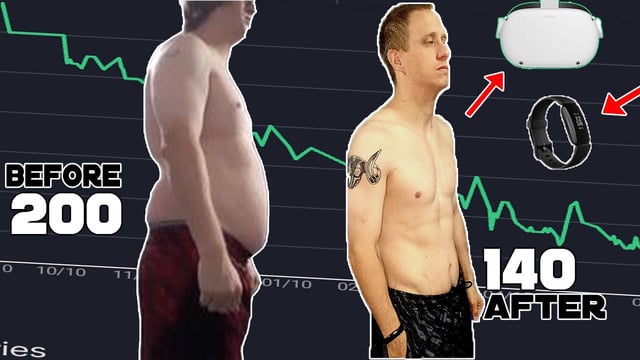
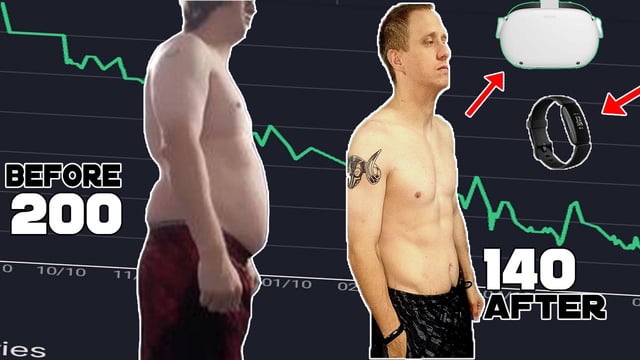
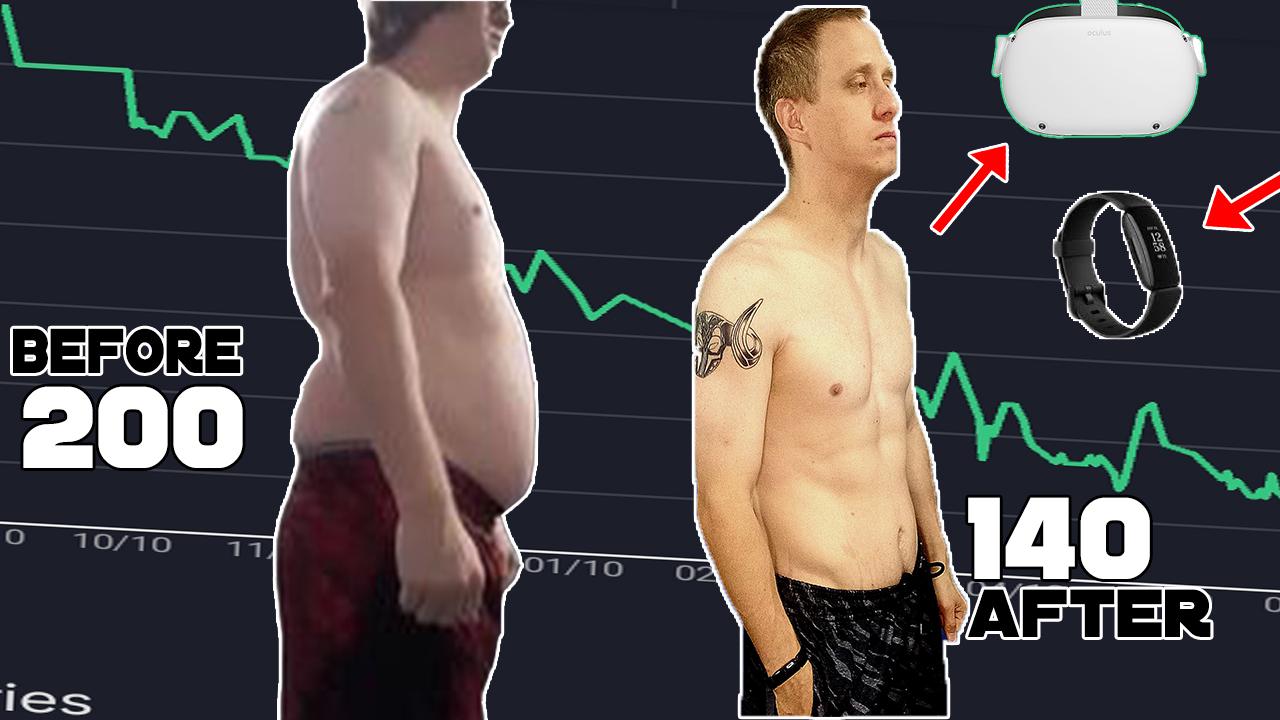
A Youtube video by user Viking (9 Lessons About VR Fitness That Helped Me Lose Weight After 40) details their positive experience with VR fitness after turning 40. While anecdotal, it demonstrates that VR can be a viable option for those looking to improve their health and fitness. The key takeaway isn’t necessarily about achieving extreme results immediately, but about finding a form of exercise you genuinely enjoy, and VR excels at that.
Top VR Programs for Weight Loss (2026)
The VR fitness market has many options, but some programs consistently rise to the top. Choosing the right one depends on your preferences, fitness level, and available equipment. Here are some of the leading contenders in 2026.
Supernatural is a top choice. It’s a subscription-based service (around $399/year as of late 2024) that offers guided workouts set in real-world locations. Workouts focus on flowing movements, combining cardio with strength training. It requires a Meta Quest headset and makes workouts feel less like a chore and more like an adventure. The immersive environments and expert coaching are a significant draw.
FitXR provides a gamified experience, focusing on boxing, dance, and HIIT workouts. It’s available on Meta Quest and SteamVR, offering hardware flexibility. A monthly subscription (around $29.99/month) unlocks access to a wide variety of classes and challenges. The competitive aspect of FitXR, with leaderboards and multiplayer sessions, can be highly motivating.
Les Mills Bodycombat brings the popular fitness class into VR. Developed in partnership with Les Mills, it offers high-energy martial arts-inspired workouts led by certified instructors. It’s available on Meta Quest and SteamVR and requires a subscription (pricing varies, but typically around $19.99/month). The focus on technique and powerful movements builds strength and endurance.
Don’t underestimate Beat Saber. While primarily a rhythm game, with custom fitness mods (available through platforms like SideQuest), it can become an effective workout. The fast-paced gameplay and constant movement burn a surprising number of calories. It’s relatively inexpensive (around $29.99 for the base game) and compatible with most VR headsets. It’s a good option for those who enjoy music and a challenging, engaging experience.
Holofit takes a different approach, focusing on low-impact cardio workouts like cycling, rowing, and kayaking. It integrates with compatible fitness equipment, allowing you to track your progress and compete with others. A subscription is required (around $19.99/month), and it’s best suited for those looking for a less intense, but still effective, workout. You’ll need compatible hardware and a VR headset to get the most out of it.
Essential Gear for Your VR Weight Loss Journey

512GB storage · 30% sharper resolution · 2X graphical processing power
This headset is the central component for accessing a vast library of VR fitness games and experiences, offering superior visual fidelity and processing power for a more engaging workout.

Accurate heart rate monitoring · ANT+ and Bluetooth connectivity · Waterproof design
Essential for accurately measuring workout intensity and calorie expenditure, this chest strap provides reliable heart rate data crucial for optimizing VR fitness routines.

Double knobs for adjustable fit · Two large support pads · Reduces pressure on the head
This accessory significantly improves comfort during longer VR workouts, ensuring a secure fit that prevents slippage and allows for uninterrupted exercise.

PU leather foam material · Replaces original facial interface · Enhances comfort
This replacement face cushion provides a more comfortable and sweat-resistant interface, crucial for maintaining hygiene and comfort during vigorous VR calorie-burning activities.
As an Amazon Associate I earn from qualifying purchases. Prices may vary.
Calorie Burn: What to Actually Expect
Let’s be realistic about calorie burn in VR. It's not a fixed number. Several factors influence how many calories you’ll burn during a VR workout, including the intensity of the activity, your duration of play, your individual metabolism, and the specific game you’re playing. Expecting to effortlessly shed pounds is a mistake.
As a general guideline, a moderate-intensity VR boxing session (like in FitXR or Supernatural) can burn between 400-600 calories per hour for a 150-pound person. Dancing games (Beat Saber, FitXR Dance) typically burn around 300-500 calories per hour. Low-impact activities like VR cycling (Holofit) might burn 200-400 calories per hour. These are estimates, and individual results will vary.
Tracking calorie expenditure accurately can be tricky. Most VR headsets offer built-in tracking, but it’s often an estimate. For more precise data, consider using a heart rate monitor paired with your VR headset. Third-party apps like VRWorkout can also help track your progress and provide more detailed insights. Remember that diet plays a massive role, too. VR workouts are a great addition to a healthy lifestyle, but they won’t compensate for a poor diet.
Don't fall for exaggerated claims. VR isn't a shortcut. It’s a tool, and like any tool, its effectiveness depends on how you use it. Consistency is key. Aim for at least 3-4 VR workouts per week to see meaningful results. It's about building a sustainable habit, not just a quick fix.
Beyond the Games: Building a VR Fitness Routine
Integrating VR fitness into a weight loss plan requires more than just jumping into a game. Treat it like any other workout routine – preparation and recovery are essential. Start with a proper warm-up before each session. This could include light cardio and dynamic stretching to prepare your muscles for movement.
Pay attention to proper form and technique. Poor form can lead to injuries, even in VR. Watch tutorial videos, read guides, and focus on maintaining good posture and movement patterns. Consider incorporating cross-training into your routine. VR fitness is great for cardio and some strength training, but it shouldn’t be your only form of exercise.
Gradually increase the intensity and duration of your workouts over time. Don’t try to do too much too soon. Start with shorter sessions and lower intensity levels, and gradually increase them as your fitness improves. Listen to your body and take rest days when needed.
Fitness Own offers resources for building custom VR workouts and creating personalized fitness plans. A tailored approach is the most effective way to achieve your VR fitness goals. Beyond the physical benefits, VR fitness can also have a positive impact on your mental well-being, reducing boredom and improving motivation.
VR Fitness & Motivation: Staying the Course
Maintaining motivation is a challenge with any fitness routine, and VR is no exception. The novelty can wear off, and it’s easy to fall back into old habits. VR can actually help with this, though. The immersive and engaging nature of VR games can make exercise feel less like a chore and more like entertainment.
The social aspects of VR fitness can also be a powerful motivator. Many VR fitness programs offer multiplayer modes, allowing you to workout with friends or other players. Joining a virtual fitness community can provide support, encouragement, and accountability. Setting realistic goals and tracking your progress are also crucial for staying motivated.
Reward yourself for achieving milestones. This could be anything from buying a new VR accessory to simply treating yourself to a relaxing evening. Remember that setbacks are inevitable. Don’t get discouraged if you miss a workout or don’t see results immediately. Just get back on track as soon as possible.
The Youtube video by Viking highlights the importance of finding enjoyment in your workouts. If you don’t enjoy what you’re doing, you’re less likely to stick with it. Experiment with different VR fitness programs and find one that you genuinely look forward to.
What's your biggest challenge with VR fitness?
Vote below to share the main obstacle you face with VR fitness.
Motion Sickness & VR: What You Need to Know
Motion sickness is a common concern for newcomers to VR, but it’s usually manageable. It occurs when there’s a mismatch between what your eyes are seeing and what your inner ear is sensing. In VR, your eyes see movement, but your body remains stationary, which can trigger nausea and dizziness.
Fortunately, there are several things you can do to prevent and manage VR motion sickness. Start with gradual acclimation. Begin with short VR sessions and gradually increase the duration as you become more comfortable. Using a fan can help provide a sense of airflow and reduce disorientation. Choose games with less artificial locomotion – teleportation is often more comfortable than smooth movement.
Adjusting your headset settings can also help. Ensure the interpupillary distance (IPD) is correctly set for your eyes. A higher refresh rate can also reduce motion sickness. If you’re still experiencing discomfort, take a break and try again later. Don't push through it – that can make things worse.
It's worth noting that some people are simply more susceptible to motion sickness than others. If you have a history of motion sickness, you may need to be extra cautious when starting with VR.
Future Trends in VR Weight Loss
The future of VR fitness is incredibly exciting. We can expect to see advancements in haptic feedback, making virtual experiences even more immersive and realistic. Imagine feeling the impact of a punch in a boxing game or the resistance of pedals while cycling.
AI-powered personalized workouts are also on the horizon. AI could analyze your fitness level, goals, and preferences to create customized workout routines that are tailored to your specific needs. Integration with wearable sensors, like heart rate monitors and fitness trackers, will provide more accurate data and allow for more effective tracking of progress.
I believe VR has the potential to be used in clinical settings for weight management. Doctors could prescribe VR workouts to patients as part of a comprehensive treatment plan. But it’s important to maintain a realistic outlook. While VR offers a lot of promise, it’s not a replacement for traditional exercise and a healthy diet.
The continued development of more comfortable and affordable VR headsets will also play a key role in the growth of VR fitness. As the technology becomes more accessible, more people will be able to experience the benefits of working out in virtual reality. The potential is there for VR to revolutionize the way we approach fitness and weight loss.

No comments yet. Be the first to share your thoughts!