

Moving past bingo
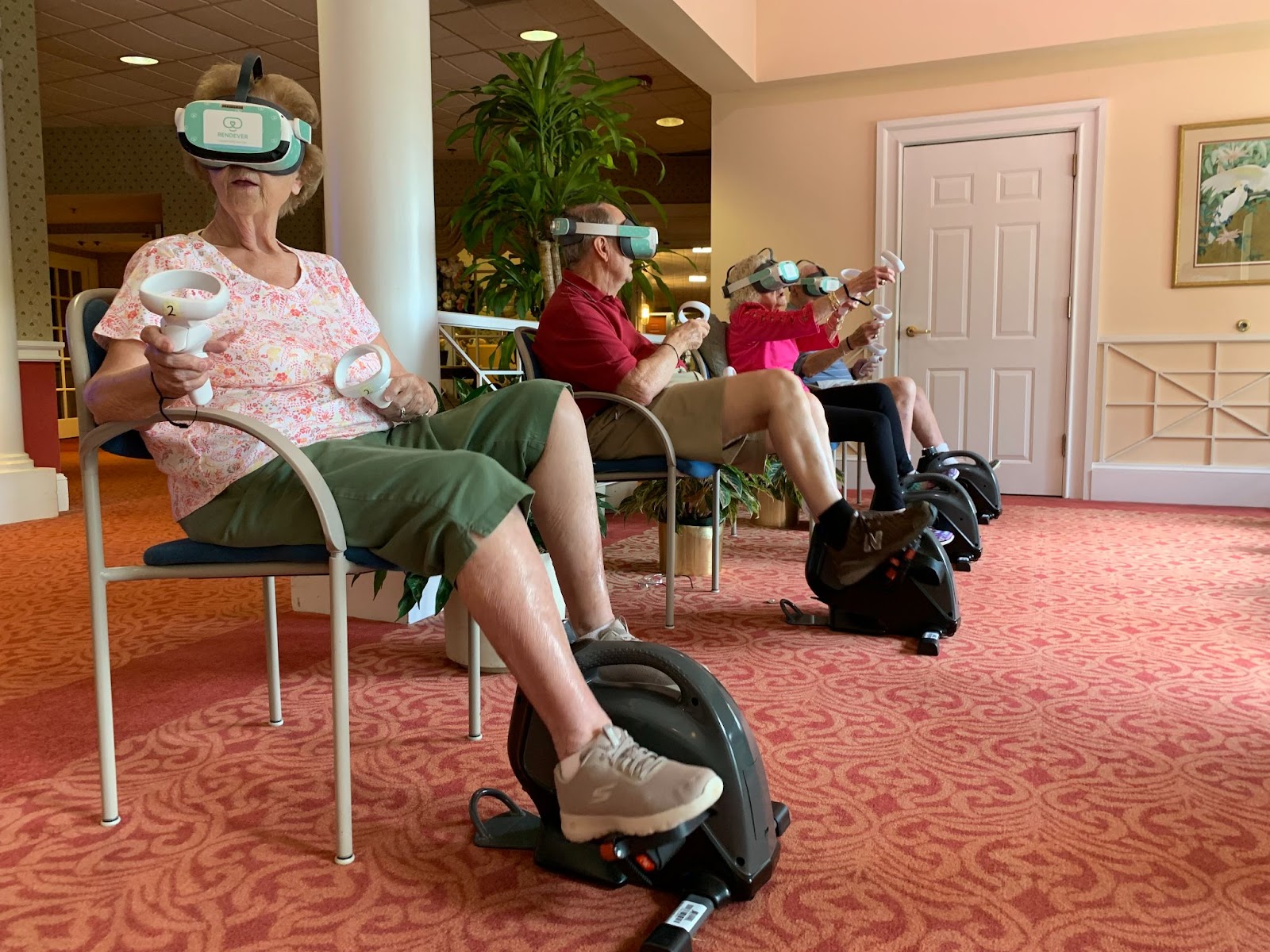
Senior centers usually mean cards, bingo, or chair yoga. These are fine, but they don't always push physical limits. Virtual reality is changing that by giving us a way to stay active that feels less like a chore and more like an adventure.
The technology is becoming increasingly accessible. Headsets are more affordable, easier to use, and the software is rapidly evolving. This isn’t some distant future promise; by 2026, we’ll see even more intuitive and tailored VR experiences specifically designed for seniors. We're talking about a shift from passive entertainment to active participation.
VR has the potential to address several common challenges faced by older adults. Social isolation is a major concern, and VR can facilitate connections with loved ones and new communities. Limited mobility doesn’t have to mean limited activity—VR allows for safe exploration and exercise within a controlled environment. And emerging research suggests VR can even play a role in maintaining cognitive function.
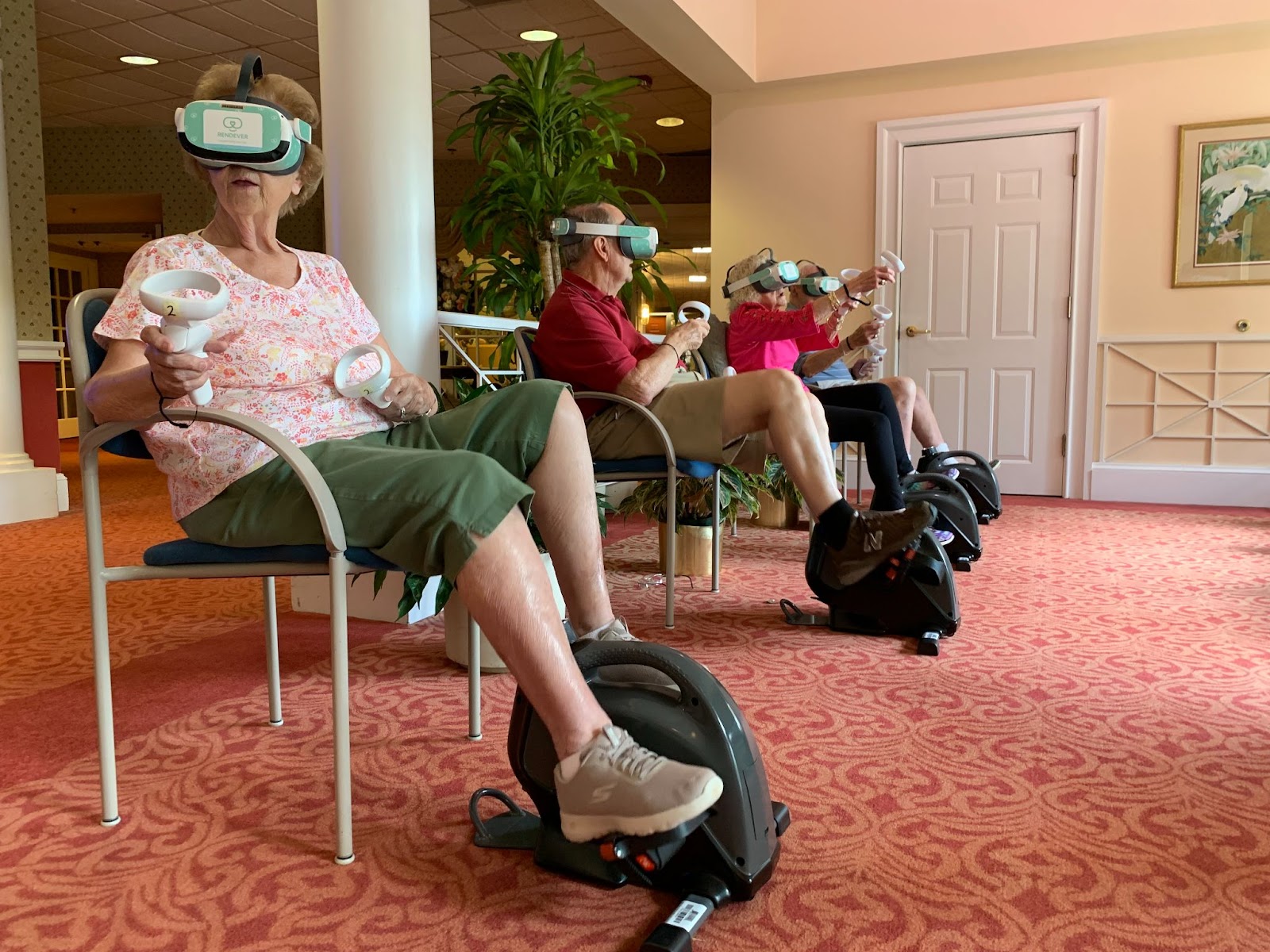
What you actually get from VR workouts
The benefits of VR fitness for seniors extend far beyond simply getting a workout. It's about improving quality of life. Studies are showing improvements in balance, which is a huge factor in preventing falls—a leading cause of injury among older adults. Regular VR exercise can also contribute to increased strength, improved cardiovascular health, and even enhanced cognitive function.
VR works because it's fun. Most people quit the gym because it's boring, but it is hard to be bored while cycling through the Tuscan countryside or practicing tai chi on a beach. When you actually enjoy the environment, you're more likely to put the headset back on tomorrow.
Dr. Tine G, in her 2025 YouTube video "5 Anti-Aging Exercises in VR You NEED to Try!" emphasizes the power of VR to stimulate both physical and mental well-being. She highlights exercises designed to combat age-related decline and promote overall vitality. The video's popularity speaks to a growing interest in leveraging this technology for healthy aging.
Beyond the physical, VR fitness can have a significant positive impact on mood and mental health. The sense of accomplishment, the social interaction, and the sheer enjoyment of the experience can all contribute to a more positive outlook. It's a holistic approach to wellness that addresses both body and mind.
Five Exercises to Try in VR
Based on insights from Dr. Tine G’s work and Rendever’s focus on enjoyable VR experiences, here are five exercises particularly well-suited for seniors. These are designed to be adaptable to different fitness levels, prioritizing safety and engagement. Remember to consult your doctor before starting any new exercise program.
Boxing: While it sounds intense, VR boxing can be modified to be a low-impact cardio workout. It improves coordination, reaction time, and upper body strength. Dr. Tine G demonstrates a version in her video, focusing on controlled movements. Start with slow, deliberate punches and gradually increase the intensity.
Tai Chi: VR offers a safe and immersive environment to learn and practice Tai Chi. It’s excellent for balance, flexibility, and mindfulness. The virtual instructor can guide you through the movements, providing feedback and encouragement. Rendever specifically notes Tai Chi as a popular choice among seniors.
Virtual Walking/Hiking: Exploring virtual environments is a fantastic way to get gentle exercise and stimulate the mind. You can walk through forests, along beaches, or even through historical sites. This is a low-impact option that can be enjoyed by people of all fitness levels.
Rhythm Games: Games like Beat Saber (with adjusted difficulty) can improve coordination, reaction time, and cardiovascular health. The music and visual feedback make it a fun and motivating experience. It's surprisingly good exercise, but start slowly to avoid overexertion.
Balance Board Exercises: Some VR platforms integrate with balance boards, adding an extra layer of challenge and engagement. These exercises improve proprioception—your sense of body position—and help prevent falls. This requires a bit more coordination and should be approached cautiously.
- Boxing: Use controlled movements to work on upper body strength and hand-eye coordination without the impact of a real gym.
- Tai Chi: Enhances balance, flexibility, and mindfulness.
- Virtual Walking/Hiking: Provides gentle exercise and mental stimulation.
- Rhythm Games: Improves coordination, reaction time, and cardiovascular health.
- Balance Board Exercises: Improves proprioception and helps prevent falls.
VR Exercises for Seniors: Benefits and Requirements (2026)
| Exercise | Primary Benefits | Difficulty Level | Equipment Needed |
|---|---|---|---|
| Gentle Stretching | Improved flexibility, range of motion, and reduced muscle tension. Can contribute to better balance. | Easy | VR Headset |
| Virtual Walking/Hiking | Cardiovascular health, lower body strength, and improved endurance. Offers a low-impact workout. | Easy to Medium | VR Headset, Optional Controllers |
| Rhythm-Based Movement (e.g., boxing, dancing) | Coordination, reaction time, cardiovascular health, and cognitive function. Encourages engaging movement. | Medium | VR Headset, Controllers |
| Seated Upper Body Exercises | Strengthens arms, shoulders, and back. Suitable for those with limited mobility. | Easy to Medium | VR Headset, Optional Controllers |
| Cognitive Games with Movement | Enhances memory, spatial awareness, and problem-solving skills while promoting physical activity. A combination of mental and physical stimulation. | Easy to Medium | VR Headset, Controllers |
| Virtual Tai Chi/Yoga | Improved balance, flexibility, mindfulness, and stress reduction. Promotes gentle, flowing movements. | Medium | VR Headset, Optional Controllers |
Illustrative comparison based on the article research brief. Verify current pricing, limits, and product details in the official docs before relying on it.
Staying safe in the headset
While VR offers numerous benefits, it’s essential to prioritize safety, especially for seniors. Motion sickness is a common concern, so start with short sessions (5-10 minutes) and gradually increase the duration as tolerance improves. Choosing experiences with minimal artificial locomotion can also help.
Falls are another potential risk. Create a clear and obstacle-free play space before putting on the headset. Consider using a seated VR experience initially, or having a caregiver present for supervision. Wrist straps can help prevent accidental dropping of the controllers.
Disorientation can occur as you transition between the virtual and real worlds. Take breaks between sessions and ensure proper lighting in the room. It’s crucial to consult with a doctor before starting any new exercise program, especially if you have pre-existing health conditions. They can advise on whether VR fitness is appropriate for you, and any necessary precautions.
Proper headset setup is also key. Ensure the headset is comfortably and securely fitted, and adjust the focus to provide a clear image. Pay attention to any discomfort or eye strain, and take breaks if needed.
Choosing the Right VR Setup
Selecting a VR headset can feel overwhelming, but it doesn’t have to be. Standalone headsets, like the Meta Quest 3, are a good option for seniors because they don’t require a connection to a PC, making them easier to set up and use. They are also generally more affordable. PC-powered headsets offer higher fidelity graphics, but come with the added complexity of a PC and tethered cables.
Consider factors like comfort, ease of use, and cost. A lightweight headset with adjustable straps is essential for a comfortable fit. Look for headsets with intuitive controls and a simple interface. It’s also important to factor in the cost of software and accessories.
Essential accessories include comfortable headphones for immersive audio, and wrist straps to prevent accidental dropping of the controllers. Good internet connectivity is also important for some VR experiences, particularly those that involve multiplayer gaming or streaming content. VR Wave offers guides to help elders get started with Meta headsets.
Don’t get too caught up in technical specifications. Focus on finding a headset that is comfortable, easy to use, and meets your individual needs and budget. Read reviews and try out different headsets if possible before making a purchase.
Popular VR Fitness Games & Apps
Several VR fitness games and apps are particularly well-suited for seniors. Rendever is a standout, focusing on creating engaging and accessible VR experiences for older adults. Their platform offers a variety of activities, including virtual travel, group fitness classes, and cognitive games.
Supernatural offers guided workouts with stunning virtual environments, but it requires a subscription. Beat Saber (with adjusted difficulty levels) is a fun and engaging way to improve coordination and reaction time. OhShape is another rhythm-based game that challenges players to fit through moving shapes.
Many apps offer adjustable difficulty levels and guided workouts, making them suitable for people of all fitness levels. Look for apps that prioritize safety and provide clear instructions. Some platforms also offer multiplayer options, allowing seniors to connect with friends and family in virtual environments.
Explore the Meta Quest store for a wide range of VR experiences. Read reviews and watch gameplay videos to get a sense of what each app offers. Consider trying out free demos before committing to a purchase. The goal is to find something that is both enjoyable and beneficial.
- Rendever: Virtual travel, group fitness, cognitive games.
- Supernatural: Guided workouts with immersive environments (subscription required).
- Beat Saber: Rhythm-based game for coordination and reaction time (adjustable difficulty).
- OhShape: Rhythm-based game challenging players to fit through moving shapes.
No comments yet. Be the first to share your thoughts!