

Is VR a real weight loss tool?
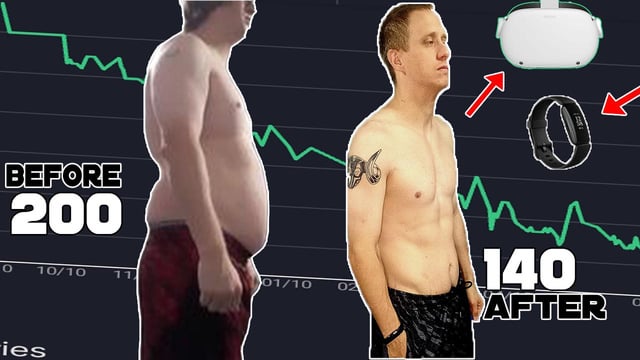
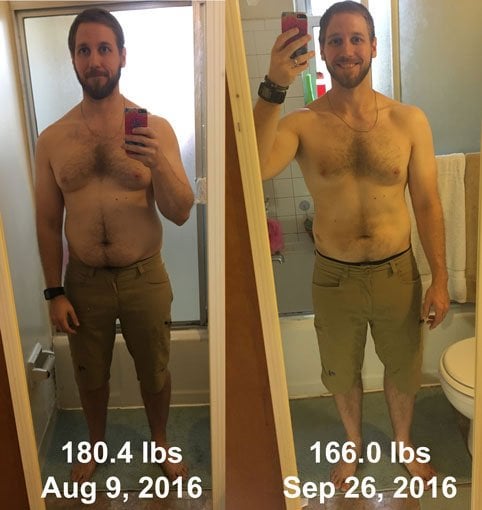
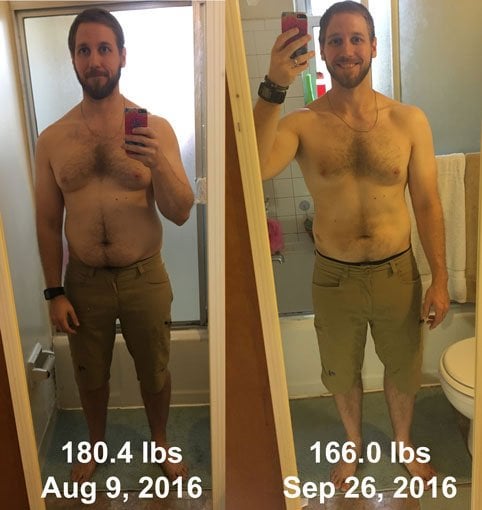
I used to think losing weight while gaming was a gimmick. It sounds too good to be true, but VR fitness is actually working for people who hate the gym. The dream of playing your way to a smaller waistline is finally here.
Initial skepticism is understandable. We’ve been told exercise has to be grueling to be effective. However, early explorations into VR fitness, documented in sources like a recent YouTube video discussing a 30-day VR weight loss experience, and articles from Men’s Health, are starting to paint a different picture. People are seeing results, and they’re enjoying the process.
It’s easy to dismiss this as hype, but there’s a growing body of evidence to support the claims. A research paper published in March 2025 in the International Journal of Social Health specifically examined the effectiveness of a VR-based training program for weight loss in individuals with obesity. The findings suggest VR training can be a valuable tool, especially when combined with other lifestyle changes. While it's not a magic bullet, the potential is definitely there.
The idea of VR fitness isn’t just about distraction; it’s about creating an immersive experience that genuinely feels good. It's a different approach and one that's worth taking seriously if traditional workouts haven't clicked for you.
The science of virtual sweat
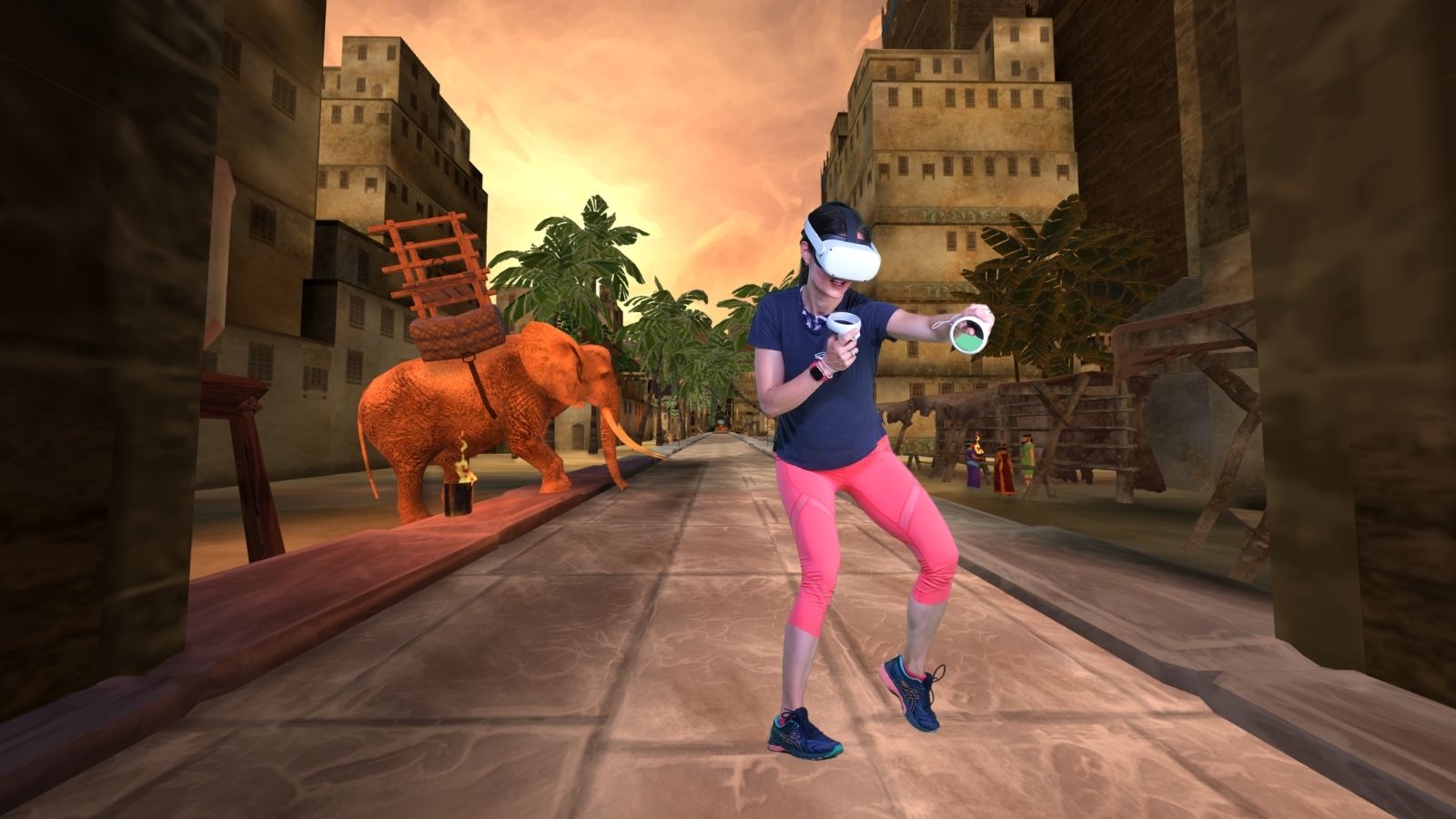
So, what makes VR fitness so effective? A major component is engagement. Traditional exercise can feel like a chore, leading to quick burnout. VR, however, transports you to another world, diverting your attention from the physical exertion. When you’re battling robots in a futuristic arena, you’re less focused on how tired you are.
This heightened engagement ties into the concept of "presence’ – the feeling of actually being in the virtual environment. When your brain believes you"re physically present in that space, it responds accordingly, triggering physiological changes similar to those experienced during real-world exercise. Your heart rate increases, you breathe heavier, and your muscles work harder.
VR burns real calories. Supernatural sessions often hit 300-600 calories per hour, which rivals a heavy session on the elliptical. FitXR and BoxVR offer similar burns through high-intensity intervals. Even Beat Saber, which feels like a dance party, averages 200-400 calories an hour if you're actually moving your feet.
Beyond the physical benefits, VR fitness offers significant psychological advantages. The enjoyment factor is huge. When you genuinely enjoy an activity, you’re far more likely to stick with it. This consistency is key to achieving long-term weight loss and fitness goals. The immersive nature of VR also provides a welcome escape from stress and can boost your mood.
How to build your 30-day challenge
Ready to commit to a 30-day VR weight loss challenge? Here’s how to structure it for optimal results. The core principles are frequency, intensity, and variety. Aim for at least 3-5 VR workouts per week, gradually increasing the intensity and duration over time.
A sample weekly structure could look like this: Week 1 focuses on lower-intensity games and shorter sessions (20-30 minutes). Weeks 2 and 3 increase both intensity and duration (30-45 minutes), incorporating more challenging levels or workout routines. Week 4 pushes you further with longer sessions (45-60 minutes) and higher-intensity gameplay. Remember to listen to your body and adjust as needed.
Always prioritize a proper warm-up (5-10 minutes of light cardio and dynamic stretching) and cool-down (5-10 minutes of static stretching). Ensure you have a comfortable, clutter-free play space to avoid accidents. Basic equipment includes a VR headset – the Meta Quest 3 is a popular choice – and comfortable clothing. Wrist weights are optional, but can add an extra challenge.
Motion sickness can be a concern for some users. To mitigate it, start with shorter sessions, focus on games with minimal artificial locomotion (teleportation is better than smooth movement), and ensure a stable frame rate. A good fan pointed at you can also help with balance and reduce nausea.
The best games for burning fat in 2026
Choosing the right VR games is crucial for maximizing your weight loss results. Here are a few standout options, categorized by workout style. Keep in mind that subscription costs can add up, so factor that into your decision.
Supernatural is my top pick for cardio. It costs $19 a month and puts you in photorealistic locations while you hit targets to licensed music. FitXR is the better choice if you want variety; they have boxing, HIIT, and dance classes for a similar monthly fee. If you want to avoid subscriptions, Beat Saber is a one-time $30 purchase that works your core and arms through rhythm gaming.
BoxVR (now FitXR) focuses specifically on boxing-based workouts, offering a challenging and effective cardio experience. Like FitXR, it’s subscription-based. Les Mills Bodycombat brings the popular fitness class into VR, offering high-intensity boxing and martial arts routines. It also operates on a subscription model. The BITWIT ULTRA, mentioned in a recent YouTube review, is another option, though its availability may be limited depending on your region.
The best game for you will depend on your personal preferences. Experiment with different options to find what you enjoy and what keeps you motivated. Don’t be afraid to mix things up to prevent boredom and challenge your body in new ways.
VR Fitness Game Comparison for Weight Loss
| Game Name | Workout Style | Intensity | Cost | Calorie Burn (Estimate) | Fun Factor (1-5) |
|---|---|---|---|---|---|
| Beat Saber | Cardio, Rhythm | Medium to High | One-Time | 200-400 calories per hour | 4 |
| Supernatural | Cardio, HIIT | Medium to High | Subscription | 300-600 calories per hour | 4.5 |
| FitXR | Boxing, Dance, Sculpt | Low to High | Subscription | 250-500 calories per hour | 3.5 |
| Les Mills Bodycombat | Boxing, Martial Arts | High | One-Time | 400-600 calories per hour | 4 |
| Pistol Whip | Cardio, Shooting | Medium to High | One-Time | 250-450 calories per hour | 4 |
| OhShape | Cardio, Rhythm | Medium | One-Time | 200-350 calories per hour | 3 |
Illustrative comparison based on the article research brief. Verify current pricing, limits, and product details in the official docs before relying on it.
Tracking and nutrition
VR fitness is a powerful tool, but it’s most effective when combined with mindful tracking and a healthy diet. Don’t rely solely on the calorie estimates provided by the games themselves. Invest in a fitness tracker like a Fitbit or Apple Watch to monitor your heart rate, calories burned, and workout duration more accurately.
Several apps can integrate with your VR headset and fitness tracker to provide a comprehensive overview of your progress. Consider using apps like HealthDash or Google Fit to consolidate your data. Tracking your nutrition is equally important. Focus on consuming whole, unprocessed foods, prioritizing protein to support muscle recovery, and staying adequately hydrated.
Avoid falling into the trap of thinking you can eat whatever you want simply because you’re exercising. Increased activity levels often lead to increased appetite, so it’s crucial to be mindful of your calorie intake. A balanced approach is key. Don't restrict yourself severely, but make conscious choices that support your weight loss goals.
Troubleshooting & Staying Motivated
Challenges are inevitable. Motion sickness is a common hurdle, but as mentioned earlier, can be managed with gradual exposure and appropriate settings. Boredom can also creep in, so regularly rotate your game selection and explore new VR experiences. Lack of time is another frequent complaint. Schedule your VR workouts like any other important appointment and prioritize them.
Equipment issues can be frustrating. Ensure your headset is properly calibrated and that your play space is clear of obstacles. If you encounter technical difficulties, consult the manufacturer’s support resources. Setting realistic goals and celebrating small victories is crucial for maintaining motivation. Don't focus solely on the number on the scale; acknowledge your progress in terms of increased energy levels, improved endurance, and overall well-being.
Finding a VR fitness community can provide invaluable support and accountability. Connect with other VR enthusiasts online through forums, social media groups, or dedicated VR fitness apps. Remember to listen to your body and take rest days when needed. Overtraining can lead to injury and burnout. Consistency is the ultimate key to success.
No comments yet. Be the first to share your thoughts!