
VR muscle building is finally here
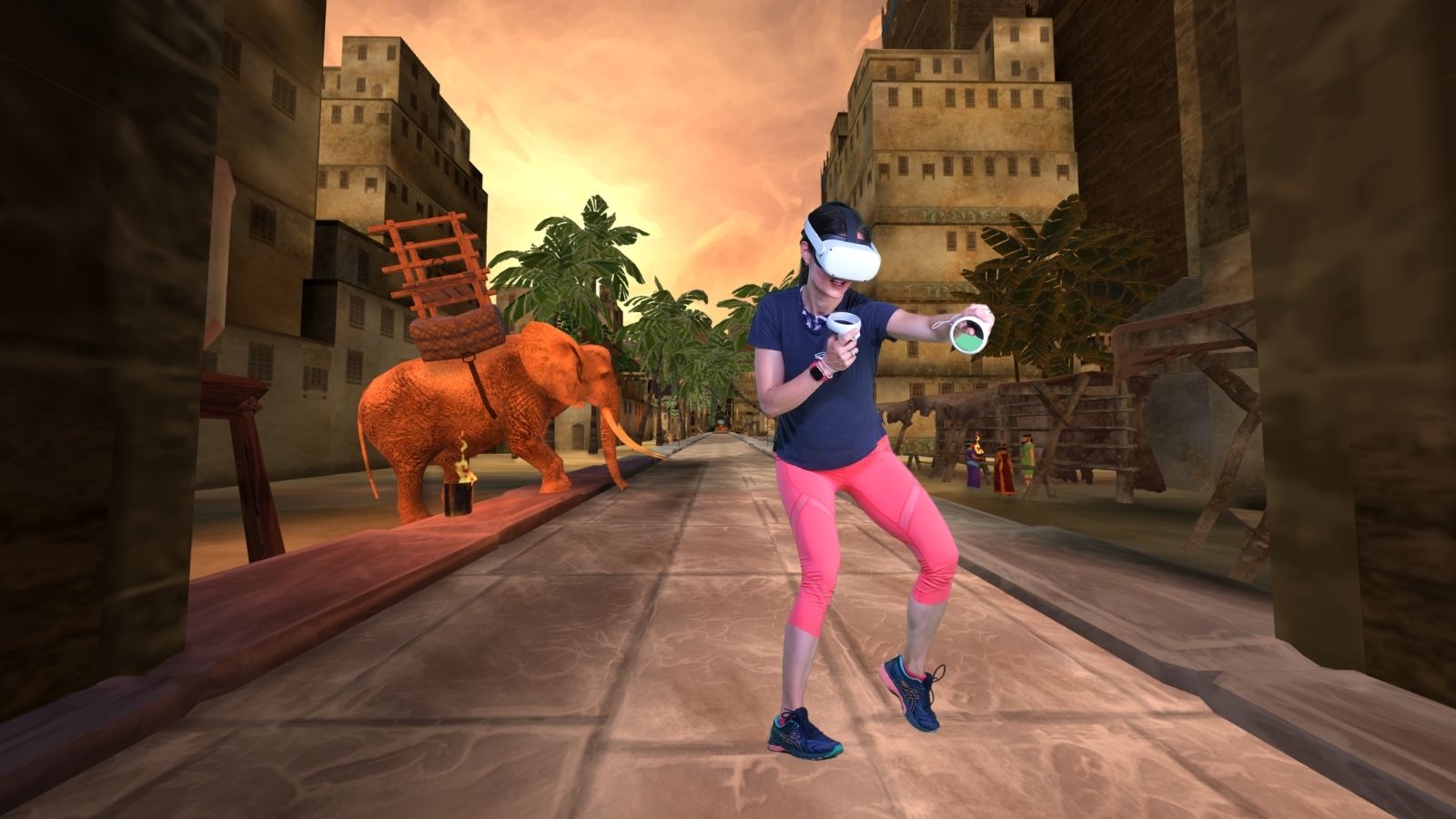
Virtual reality isn't just for gaming anymore. In 2026, we're seeing a shift from simple cardio games to apps that actually help you build muscle. Developers are finally moving past basic arm-waving mechanics to focus on resistance and tension.
The biggest hurdles to consistent exercise – boredom, lack of space, and the cost of gym memberships – are all being addressed. VR workouts can transport you to stunning environments, require minimal physical space, and often come in at a lower monthly cost than a traditional gym. It’s a compelling proposition.
The growing interest isn’t just hype. Dr. Tine G, with her popular YouTube channel, recently released a 30-day VR workout plan that’s gaining traction, evidenced by over 800 views and 50 likes as of March 12, 2026. This kind of content, and the community building around it, signals a real shift in how people approach fitness.
How virtual gains work
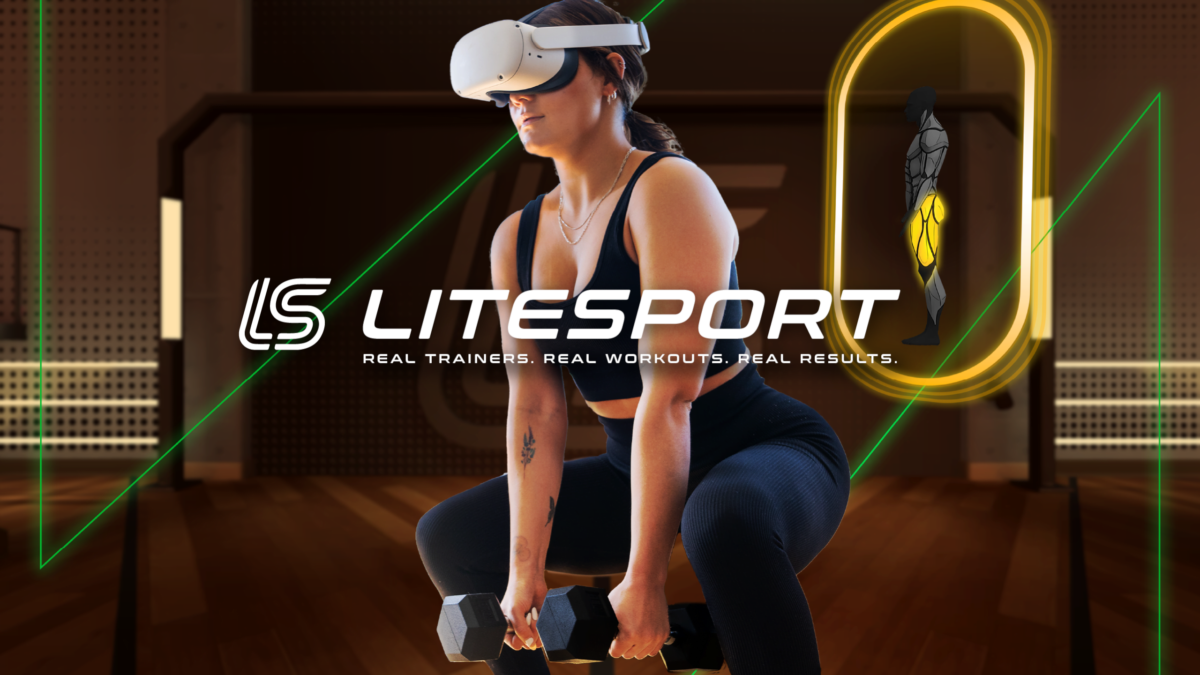
It’s easy to be skeptical – can you really build muscle playing a game? The answer, surprisingly, is yes, though it’s not a simple replacement for traditional weightlifting. VR’s power lies in its ability to make exercise more engaging, which directly translates to increased effort.
When you’re immersed in a virtual environment, your perceived exertion decreases. You’re focused on the game, not on how tired you are. This allows you to push yourself harder and for longer periods. This isn't just anecdotal; studies have shown that immersive experiences can reduce pain perception and increase endurance.
Proprioception – your body’s awareness of its position in space – is also enhanced in VR. Many programs require precise movements, forcing your brain to actively map your body's position and movements. This heightened awareness can improve form and prevent injuries. Furthermore, the neurological response to a challenging VR workout can be significant; your brain doesn't necessarily distinguish between a real and virtual challenge, leading to similar physiological adaptations.
VR isn't magic. You still need to watch your form, even when the weights aren't physical. I wouldn't throw away your gym membership just yet, but these programs are a solid way to add volume to your routine without leaving the house.
7 VR Strength Programs That Deliver
The VR fitness market is expanding rapidly, but some programs stand out for their effectiveness in building strength. Here’s a look at seven options, covering a range of training styles and hardware requirements.
Les Mills Bodycombat on the Meta Quest is a martial arts port that actually makes your shoulders burn. You follow instructors and hit targets with hooks and uppercuts. It's mostly cardio, but the sheer volume of strikes builds decent endurance in your upper body and core.
FitXR: A subscription-based platform offering a variety of fitness classes, including boxing, HIIT, and dance. Its strength training component is growing, with instructors guiding you through routines using virtual dumbbells and barbells. Compatible with Meta Quest and SteamVR. FitXR excels at gamification, with leaderboards and challenges to keep you motivated. It’s great for working your shoulders, back, and chest.
Supernatural: While known for its stunning landscapes and guided meditation, Supernatural also offers a surprisingly effective strength training component. The workouts use your bodyweight and virtual dumbbells, focusing on high-repetition movements. Requires a Meta Quest. Supernatural’s strength routines primarily target your core, arms, and legs, and emphasize form and control.
Thrill of the Fight: A realistic boxing simulator that provides an intense full-body workout. It’s not specifically designed for strength training, but the constant movement and punching will build endurance and upper body strength. Compatible with most VR headsets. This program is brutal, and focuses heavily on arms, shoulders, and core. Be prepared to sweat.
Holofit: This program turns exercise into a virtual adventure. You pedal on a stationary bike (sold separately) and explore stunning virtual worlds. While primarily a cardio program, Holofit incorporates resistance training by adjusting the bike’s resistance based on the virtual terrain. Requires a compatible stationary bike and VR headset. Holofit works legs and core, but its strength component is less direct than other options.
VZfit: Similar to Holofit, VZfit uses a connected fitness bike or treadmill and virtual environments. It offers guided workouts and challenges, and allows you to explore real-world locations. Requires a compatible bike or treadmill and VR headset. Like Holofit, VZfit's strength focus is more indirect, primarily building leg strength and endurance.
Viking Princess VR: A newer program gaining attention for its integrated 30-day workout plans, as highlighted by Dr. Tine G on YouTube. It focuses on a blend of cardio and strength, utilizing bodyweight exercises and virtual equipment. Requires a Meta Quest headset. Viking Princess VR targets a full-body workout, with an emphasis on core strength and functional fitness.
Tracking your progress
Tracking your progress is essential for any fitness program, and VR is no exception. Most VR fitness apps track basic metrics like reps, sets, calories burned, and workout duration. Some, like FitXR and Supernatural, offer more detailed data, including heart rate monitoring and performance scores.
However, the VR fitness data ecosystem is still fragmented. There isn’t a universal standard for tracking and sharing data across different platforms. Some programs integrate with third-party fitness trackers like Apple Health and Google Fit, but this functionality is often limited.
Setting realistic goals is crucial. Start slowly and gradually increase the intensity and duration of your workouts. Don't try to do too much too soon, as this can lead to injury or burnout. Consistency is key – aim for at least three VR workouts per week to see results.
- Set goals that you can actually hit.
- Track reps, sets, and calories
- Monitor heart rate (if possible)
- Be consistent with your workouts
The gear you actually need
While a VR headset is the foundation, several accessories can enhance your VR fitness experience. Wrist trackers, like those offered by Vive and Oculus, provide more accurate tracking of your hand movements, improving the precision of your workouts.
A heart rate monitor is also a valuable investment. It allows you to track your intensity and ensure you’re working within your target heart rate zone. Many Bluetooth-enabled heart rate monitors are compatible with VR headsets.
VR-specific fitness mats can provide cushioning and grip, improving your comfort and stability. A dedicated play space is essential for safety. Clear any obstacles from the area and ensure you have enough room to move freely. The cost of a full setup can range from $300 (headset only) to $1000+ (headset, trackers, heart rate monitor, fitness mat).
Avoiding VR Workout Pitfalls
VR fitness isn’t without its challenges. Motion sickness is a common issue, especially for beginners. Start with shorter workouts and gradually increase the duration as you become more comfortable. Using a fan can help reduce motion sickness by providing a sense of airflow.
Fatigue is another potential problem. VR workouts can be surprisingly demanding, so it’s important to listen to your body and take breaks when needed. Proper form is crucial to prevent injuries. Pay attention to the instructions provided by the virtual trainers and focus on maintaining good technique.
Staying motivated can also be a challenge. VR fitness can be fun, but it’s still exercise. Set realistic goals, find a workout buddy, and experiment with different programs to keep things interesting. Don't get overexcited and push yourself too hard, too soon. A gradual approach is always best.
No comments yet. Be the first to share your thoughts!