
VR Fitness Evolves: AI Takes Control
Virtual reality fitness has come a long way. Games like Beat Saber, Supernatural, and FitXR have demonstrated the potential for immersive, engaging workouts. Working out alone in a virtual space can still feel isolating. Current systems largely rely on pre-programmed routines and basic motion tracking, leaving a gap in personalized guidance and motivation. The market is growing, with more people seeking at-home fitness solutions, driving demand for something more.
The limitations of current VR fitness experiences are becoming clear. Many users struggle with maintaining proper form, staying motivated, or adapting workouts to their individual needs. Artificial intelligence steps in to address these challenges by providing real-time feedback, personalized routines, and a sense of connection that’s been missing. This is a logical evolution, leveraging the immersive power of VR with the intelligence of AI.
Imagine a workout that adjusts to your fatigue levels as you exercise, a virtual coach that corrects your squat form, or a training partner that pushes you to achieve your goals. This is the promise of AI in VR fitness. It’s about moving beyond simply tracking movement to understanding how you’re moving and responding accordingly. The potential to create a truly personalized and effective fitness experience is substantial, shifting from passive exercise to active, intelligent training.
Beyond Rep Counting: AI’s Sensory Input
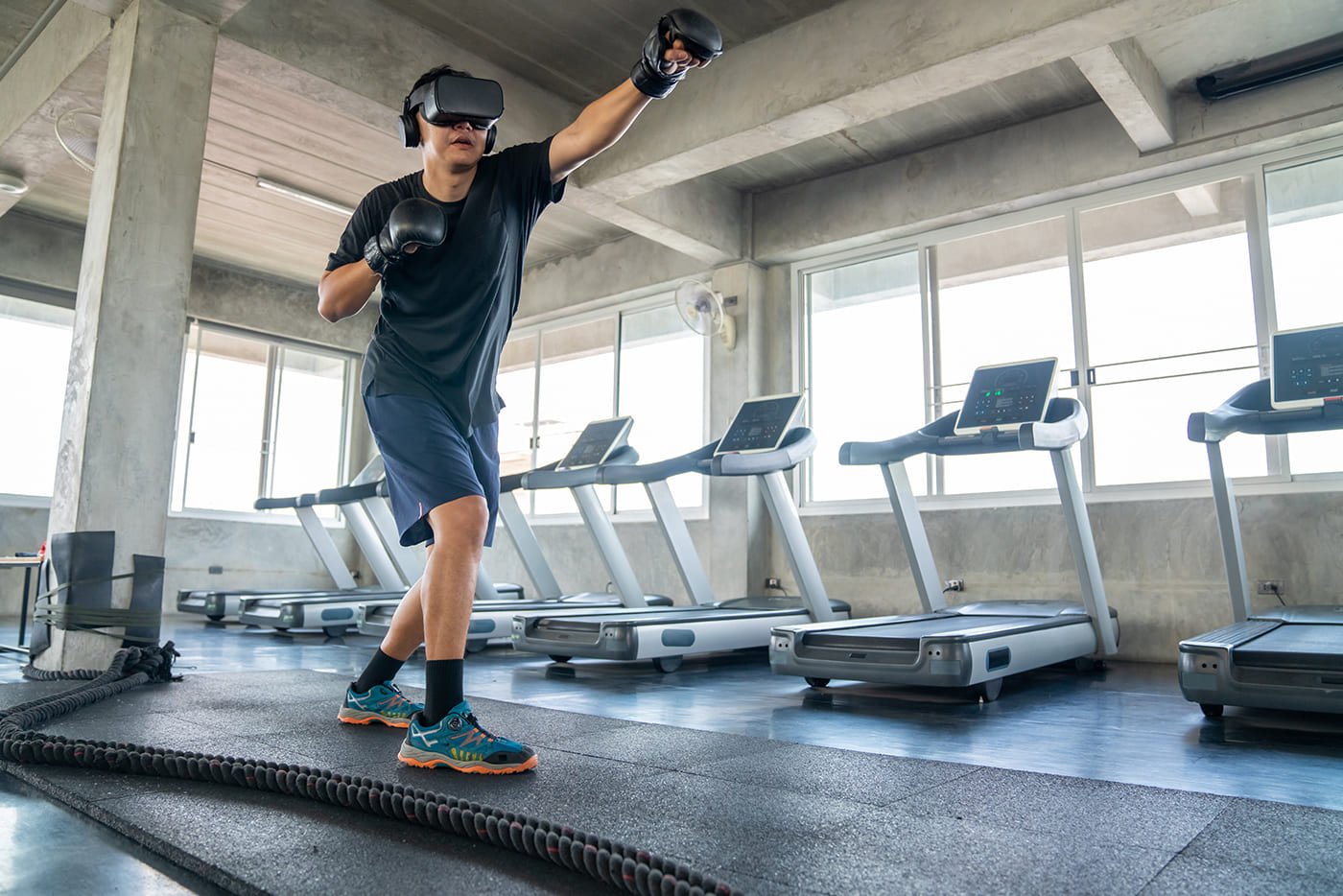
AI-powered VR trainers build a detailed understanding of your movement, going far beyond the basic inside-out tracking offered by headsets like the Meta Quest 3. These systems integrate data from a variety of sensors, including the headset’s cameras, optional heart rate monitors, and potentially, in the future, even more sophisticated biosensors that can track muscle activity or fatigue levels.
The power lies in how AI interprets this data. It’s not enough to know you completed a squat; the AI needs to analyze your form – depth, alignment, speed – to provide meaningful feedback. This is a complex task, requiring sophisticated algorithms to differentiate between good and bad form in a dynamic VR environment. Capturing accurate data is a constant challenge, as headset drift or occlusion can introduce errors.
Companies are actively working to improve the accuracy of these systems, using machine learning to train AI models on vast datasets of human movement to identify and correct subtle errors in form. While inaccuracies are still possible, the technology is rapidly improving. The goal is to create a system that provides reliable, actionable insights, not just a vague sense of whether you’re 'doing it right'.
Personalized Workouts: Adapting to *You*
AI in VR fitness truly personalizes workouts. By collecting data on your performance – strength, endurance, range of motion, and even fatigue levels – the AI can create routines tailored to your specific needs and goals, a far cry from the one-size-fits-all approach of many traditional fitness apps.
Dynamic difficulty adjustment personalizes workouts. Workouts aren’t static; they adapt in real-time based on your performance. Struggling with a particular exercise? The AI might reduce the intensity or offer modifications. Crushing it? The AI will ramp up the challenge to keep you engaged and progressing. The goal is finding that sweet spot where you’re constantly challenged but not overwhelmed.
AI also plays a role in goal setting, helping you define realistic, achievable goals based on your current fitness level and progress. It refines those goals over time, adjusting them as you improve. AI can adapt to injuries or physical limitations, offering alternative exercises or modifications to ensure you can continue to work out safely and effectively. This adaptability is where AI truly shines – it’s a trainer that evolves with you.
- Goal Setting: AI helps define realistic, achievable goals.
- Dynamic Adjustment: Workouts change in real-time based on performance.
- Injury Adaptation: Exercises are modified to accommodate limitations.
Current Players & What They Offer
Fitness Own is developing AI-powered features for its VR fitness platform, focusing on real-time form feedback, personalized workout recommendations, and dynamic difficulty adjustment. The system integrates with popular heart rate monitors to provide a more comprehensive picture of your fitness level and offers a wide range of workout styles, from cardio and strength training to yoga and meditation.
While the field is still emerging, Supernatural, known for its immersive environments and guided workouts, is reportedly experimenting with AI-powered form correction. FitXR, a social VR fitness platform, is exploring ways to use AI to personalize workout routines and match users with compatible training partners. Specific details about their AI capabilities are often limited.
Hardware requirements vary. Most AI-powered VR fitness experiences require a Meta Quest 2 or Quest 3 headset, due to its robust tracking capabilities and relatively affordable price point. A compatible heart rate monitor is often recommended for more accurate data collection. The level of personalization and AI features available can vary significantly between platforms. Which system is "best" depends on individual preferences and needs.
Form Feedback & Injury Prevention
AI-powered VR trainers provide form feedback through visual cues, highlighting areas of your body that need adjustment. Auditory feedback, such as verbal cues or subtle sound effects, can also be used. Some systems explore haptic feedback, using vibrations in the controllers to guide your movements. The goal is clear, intuitive guidance without disrupting the flow of your workout.
AI-powered form correction has the potential to prevent injuries. By identifying and correcting poor form in real-time, the AI helps you avoid straining muscles, damaging joints, or developing bad habits. This is particularly important for beginners who may not be aware of proper technique. Responsible AI is key – the system shouldn’t push you beyond your limits or encourage movements that feel painful.
Exercise physiologists advise caution regarding safe VR workouts. In a recent YouTube video, an expert emphasized the importance of proper warm-up, cool-down, and listening to your body (Exercise Physiologist Reveals Best VR Fitness Apps 2025 - YouTube). AI can assist with these, but it shouldn’t replace common sense and proper training principles. Use technology to enhance, not replace, safe and effective fitness practices.
Social Connection & AI Companions
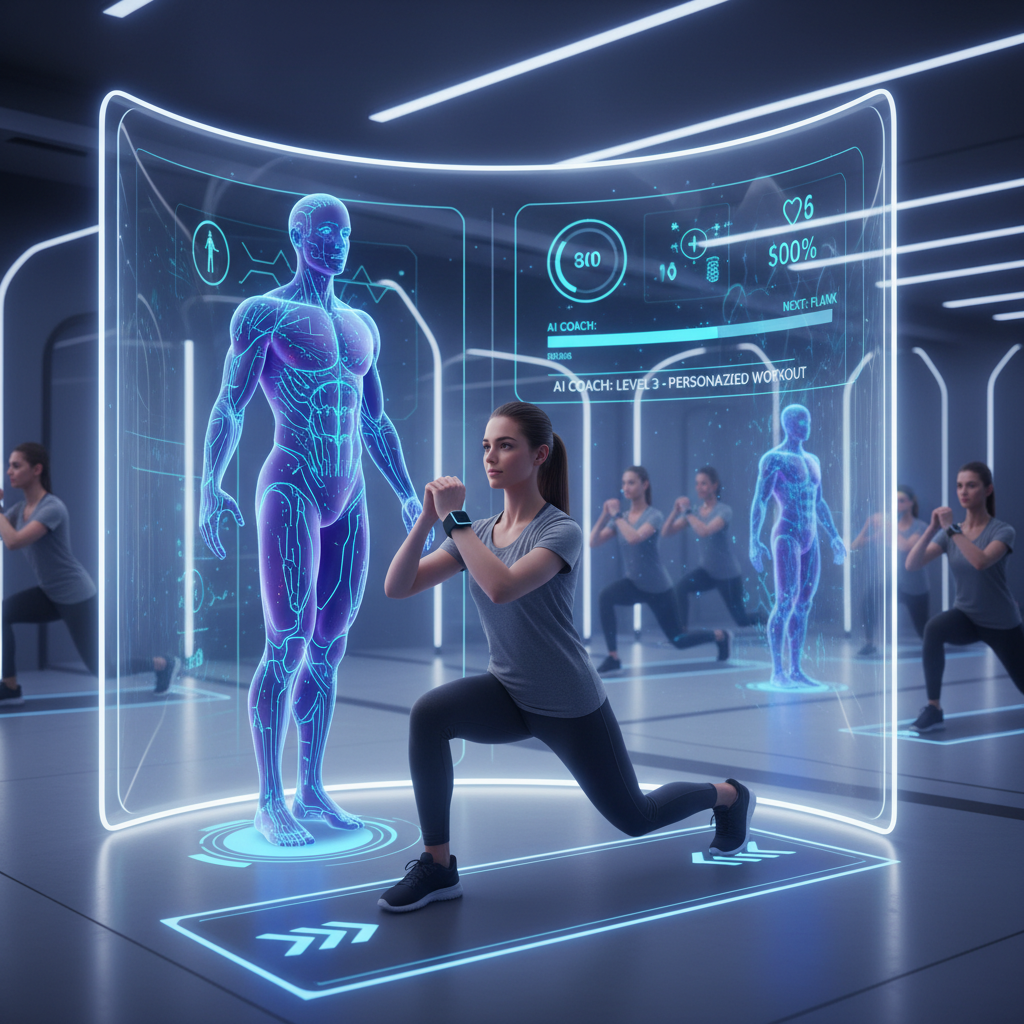
AI enhances the social aspects of VR fitness. AI trainers can facilitate group workouts, connecting you with other users who share your fitness goals and level. They provide motivation and encouragement, acting as a virtual coach and cheerleader, addressing a common complaint about at-home workouts – the lack of social interaction.
AI companions are particularly exciting. Imagine a virtual workout buddy that keeps you accountable, provides personalized encouragement, and challenges you to push your limits. These AI companions can be customized to match your personality and preferences, creating a more engaging and enjoyable workout experience. Meta is heavily invested in social VR fitness, recognizing the importance of connection and community.
undefineds often missing from traditional at-home fitness solutions. It’s about creating a virtual environment that feels supportive and encouraging, helping you stay on track and achieve your goals. I believe this is a huge opportunity to address the loneliness some people experience when exercising.
The Data Privacy Question
AI-powered VR fitness relies on collecting and analyzing a significant amount of personal data – movement data, heart rate, potentially even biometric information. This raises legitimate privacy concerns. What data is being collected? How is it being used? What security measures are in place to protect it? These are questions users have a right to ask.
Transparency is crucial. Companies need to be upfront about what data they’re collecting and how it’s being used. Users should have control over their data, with the ability to access, modify, and delete it. Robust security measures are essential to prevent data breaches and unauthorized access. It’s a sensitive issue, and companies need to prioritize data privacy and security.
We at Fitness Own are committed to protecting user privacy. We adhere to strict data security protocols and provide users with clear and concise information about our data collection practices. We believe that building trust is essential, and we are dedicated to ensuring that our users feel safe and secure when using our platform.
Looking Ahead: 2026 and Beyond
By 2026, AI-powered VR fitness will likely be much more sophisticated. We can expect to see the emergence of new technologies, such as advanced biosensors that can track muscle activity and fatigue levels with greater accuracy. AI trainers will become even more personalized and adaptive, tailoring workouts to your specific needs and goals in real-time.
Integration with other health and wellness platforms is also likely. Imagine your VR fitness data seamlessly syncing with your smart watch, nutrition app, or even your doctor’s office. This would provide a holistic view of your health and fitness, allowing for more informed decision-making. The potential to revolutionize the fitness industry is significant.
While the future is uncertain, the trajectory is clear. AI is poised to play a transformative role in VR fitness, making it more effective, engaging, and accessible. It’s an exciting time to be involved in this field, and I believe we’re only just beginning to scratch the surface of what’s possible. However, it's important to remain grounded and focus on building safe, effective, and privacy-respecting solutions.

No comments yet. Be the first to share your thoughts!