
VR fitness gets a brain
Most VR workouts are just fancy videos. You follow a pre-set path and hope it works for your body. I've found that even the best apps feel static after a week. AI is finally changing that by making the software react to how you actually move, rather than just playing a file.
The idea is simple: move beyond static workouts and create programs that adapt to you in real-time. This isn’t about a slightly harder or easier setting; it’s about an AI trainer understanding your form, your fatigue levels, and your progress, then adjusting your workout accordingly. A good example of this early stage is Train Together, an app I’ve been following, which acts as both your trainer and a virtual workout buddy.
What’s powering this shift? Machine learning. It’s the engine that allows these VR programs to learn from your movements, your performance, and your feedback, ultimately delivering a workout that's optimized for your individual needs. It’s still early days, but the potential is huge. We're moving toward a future where your VR headset isn't just tracking your movement, it's actively coaching you.
How the software tracks your movement
The tech relies on reinforcement learning. If you nail a squat, the system logs that success. If you struggle, it tweaks the next set. It’s a trial-and-error process that helps the app figure out your specific limits without a human coach present.
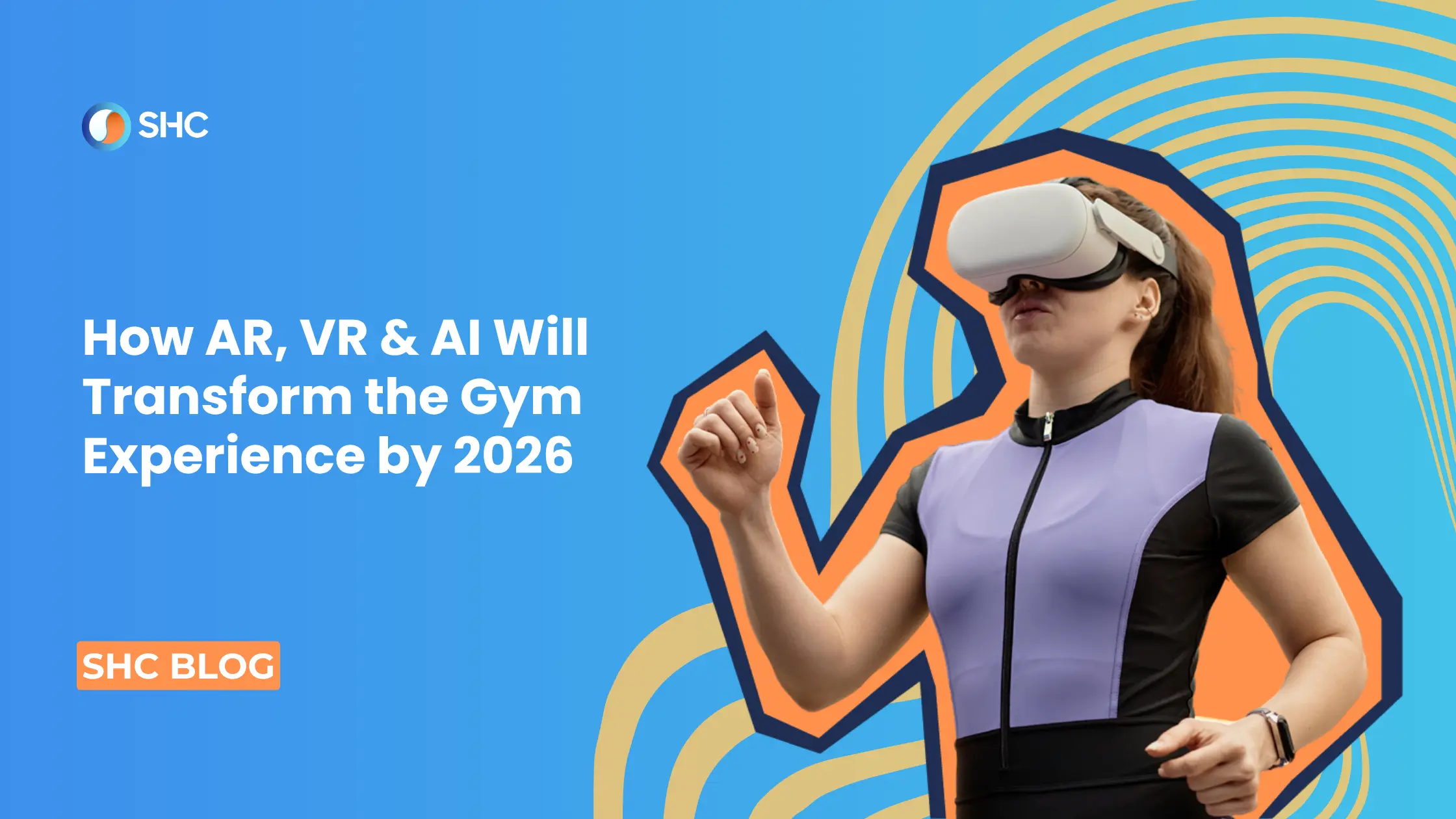
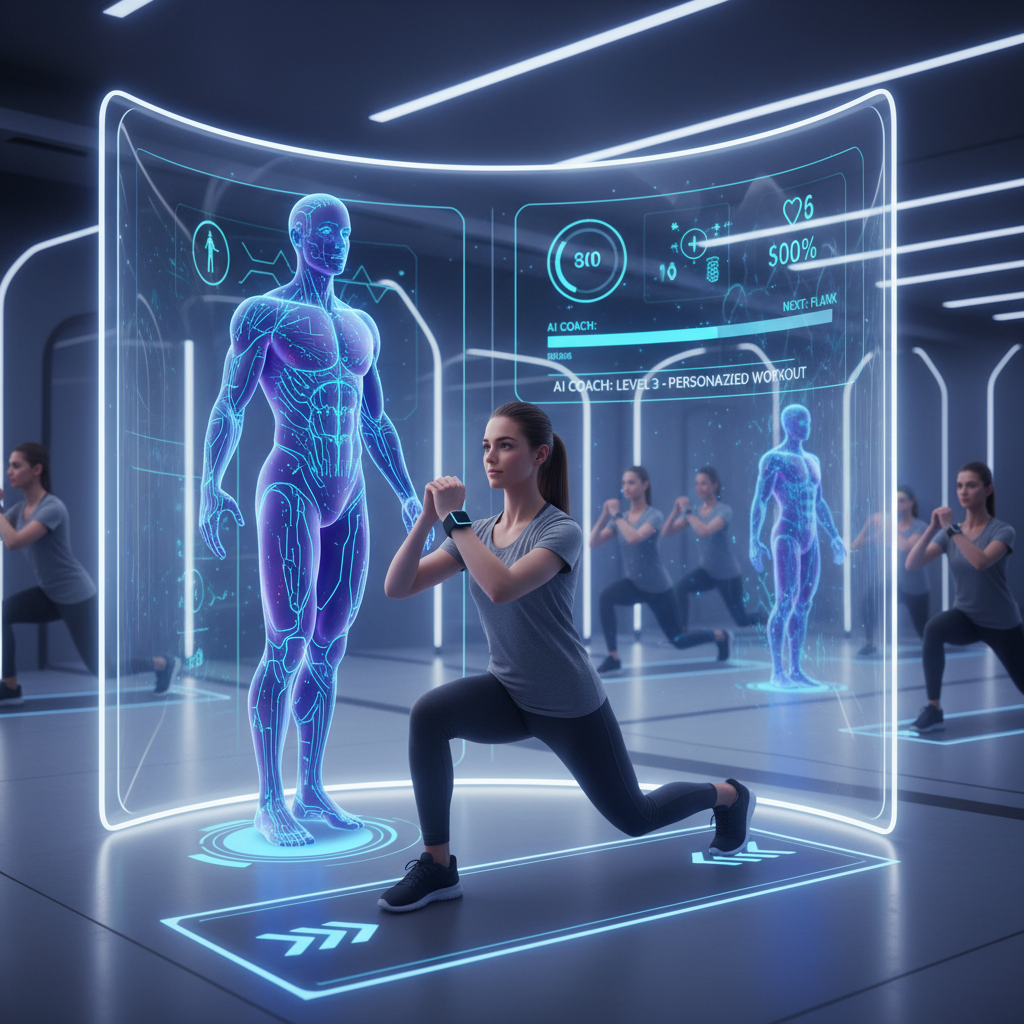
Computer vision is another key component. Using the cameras in your VR headset, the AI can analyze your movements in 3D space. It can identify whether you’re maintaining proper form, if your joints are aligned correctly, and even detect subtle imbalances that could lead to injury. It’s like having a virtual trainer watching your every move. Predictive modeling is starting to play a role too. By analyzing your historical performance data, the AI can anticipate when you might be nearing fatigue or hitting a plateau, and adjust your workout accordingly.
All of this relies on data collected from your VR headset’s sensors—motion tracking, heart rate monitors, and potentially even eye-tracking. These algorithms process this data in real-time, creating a dynamic feedback loop that personalizes your workout. The more data the AI has, the better it becomes at understanding your individual needs and optimizing your training. It’s a continuous learning process.
Train Together and Beyond: Early AI Trainers
Train Together, as shown in a recent YouTube review, is a fascinating early example of this technology in action. It doesn't just track your movements; it actively coaches you, offering real-time feedback on your form and adjusting the workout intensity based on your performance. The review highlighted both its strengths – the personalized guidance and sense of accountability – and its weaknesses, such as occasional glitches and a slightly robotic feel to the AI’s coaching style.
But Train Together is not alone. Several other companies are exploring similar approaches. Valkyrie, developed by pannaf and utilizing NVIDIA and LangChain tools (as seen on GitHub), is an open-source AI Personal Trainer aiming to provide a highly customizable experience. The approaches vary, some focusing more on gamification, others on mimicking the experience of a live personal trainer. Some are integrating with existing VR fitness platforms, while others are building their own standalone ecosystems.
Fitness Own is also deeply involved in the VR fitness space, offering a wide range of VR workout routines, games, and tracking tools. While currently focused on providing a diverse library of content, the company is actively exploring ways to integrate AI-powered personalization into its platform. This could involve using AI to recommend workouts based on your fitness level and goals, or to provide real-time feedback on your form. The field is rapidly evolving, and we’re seeing innovation from both established players and exciting new startups.
Personalization: Beyond Just Difficulty
The true power of AI in VR fitness isn’t just about making workouts harder or easier. It's about understanding your individual needs and tailoring the experience to help you achieve your specific goals. For example, if you’re trying to build strength in your legs, the AI can focus on exercises that target those muscle groups, while adjusting the intensity and reps to match your current fitness level. If you're recovering from an injury, it can modify exercises to avoid putting stress on the affected area.
AI can also personalize workouts based on your fitness goals. Are you training for a marathon? The AI can create a running program that gradually increases your mileage and intensity. Are you trying to lose weight? It can design a workout that maximizes calorie burn while minimizing the risk of injury. This level of customization is simply not possible with traditional, pre-programmed routines.
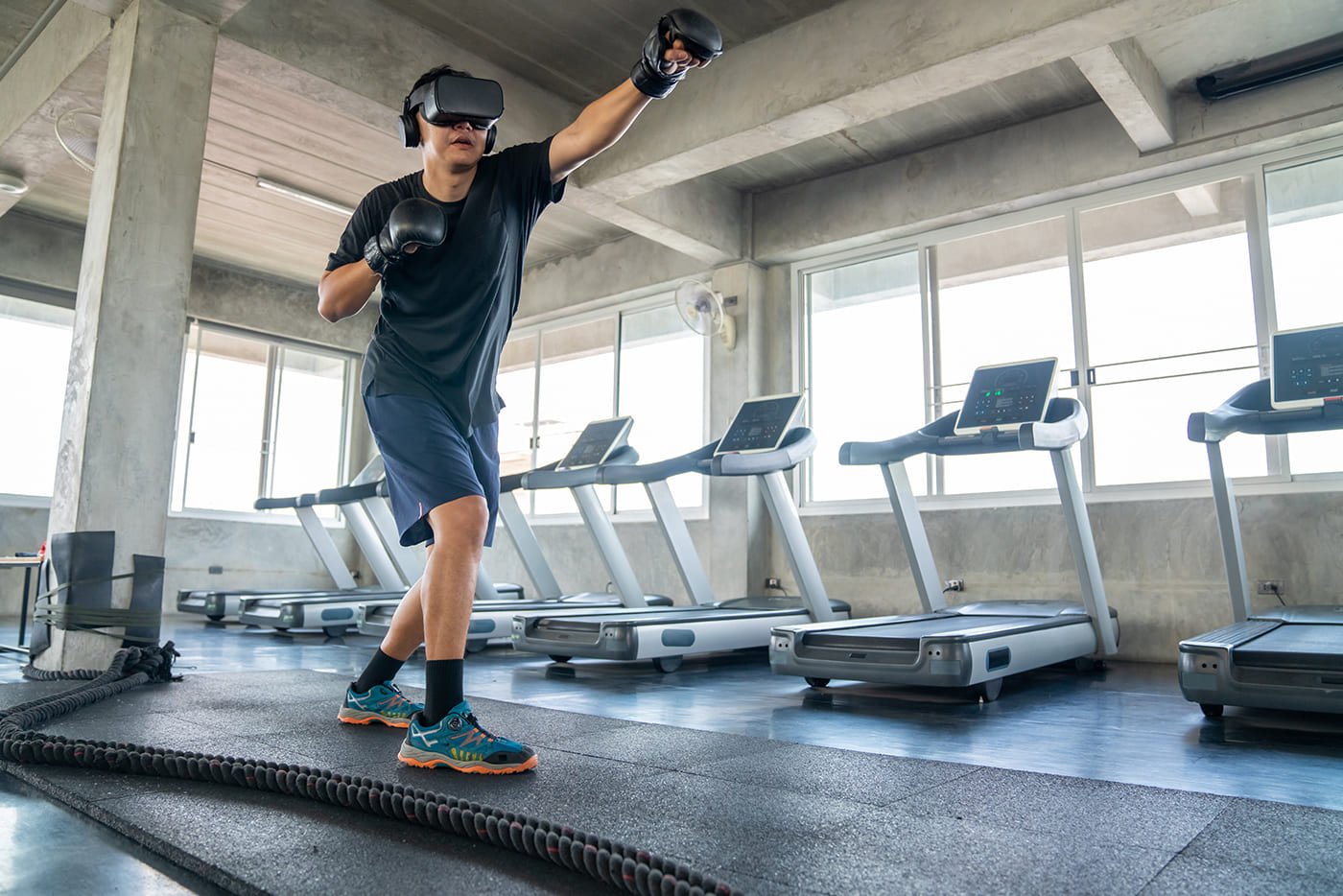
Perhaps most importantly, AI can provide real-time feedback on your form. This is crucial for preventing injuries and maximizing the effectiveness of your workouts. Imagine a VR boxing game where the AI analyzes your punches and provides instant feedback on your technique. Or a VR strength training program that corrects your posture and ensures you’re using the correct muscles. This is the promise of AI-powered VR fitness.
- Workouts that target specific muscle groups based on your weak points.
- Goal-Oriented Routines: Programs designed for weight loss, strength, or endurance.
- Automatic adjustments to prevent you from aggravating old injuries.
The privacy problem
With all this personalization comes a critical question: data privacy. AI trainers require a significant amount of personal data to function effectively – your movement patterns, heart rate, and potentially even biometric data. This raises legitimate concerns about how that data is being collected, stored, and used. It’s essential to understand what data is being collected and how it’s being protected.
Companies developing AI-powered VR fitness apps need to be transparent about their data privacy policies. They should clearly explain what data they collect, why they collect it, and how they protect it. Users should have control over their data, including the ability to access, modify, and delete it. Strong security measures, such as encryption and access controls, are essential to prevent unauthorized access to sensitive data.
This is an evolving area, and the regulatory landscape is still developing. It’s important to be aware of the potential risks and to choose apps from companies that prioritize data privacy. We need to ensure that the benefits of AI-powered VR fitness are not outweighed by the risks to our personal information.

No comments yet. Be the first to share your thoughts!