
Beyond the Treadmill: VR's Rise
The gym experience has felt stuck for years. Same machines, same routines, same awkward glances. Many start with enthusiasm, but motivation fades. Now, something different is happening. Virtual reality fitness is building momentum, and it’s not just a trend. It’s a shift in how we approach exercise.
The appeal is simple: engagement. VR workouts pull you into the experience. Instead of staring at a wall while running on a treadmill, you might sprint through a neon-lit cityscape or scale a virtual mountain. This immersion, with sophisticated software and hardware, creates a compelling alternative to traditional gyms. Better technology and a desire for workouts that don’t feel like chores fuel this excitement.
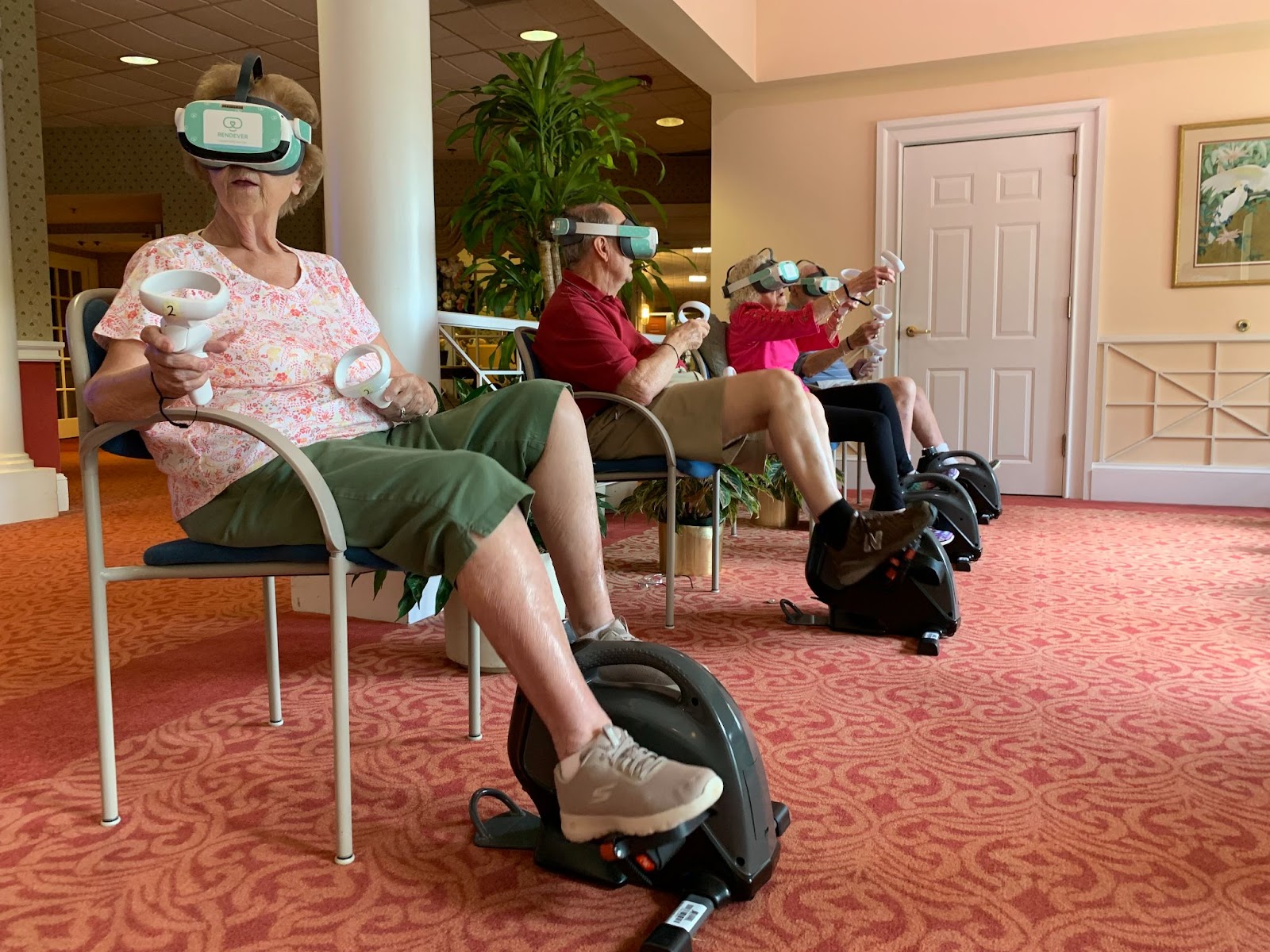
Early VR fitness adopters were tech enthusiasts who tinkered with complex setups. But barriers to entry are falling rapidly. Headsets are more affordable and user-friendly, and developers create apps for a wide range of fitness levels and interests. The audience is broadening, signaling a potential revolution. The promise of an engaging and effective workout at home is attractive.
The Hardware Landscape: Quest and Beyond
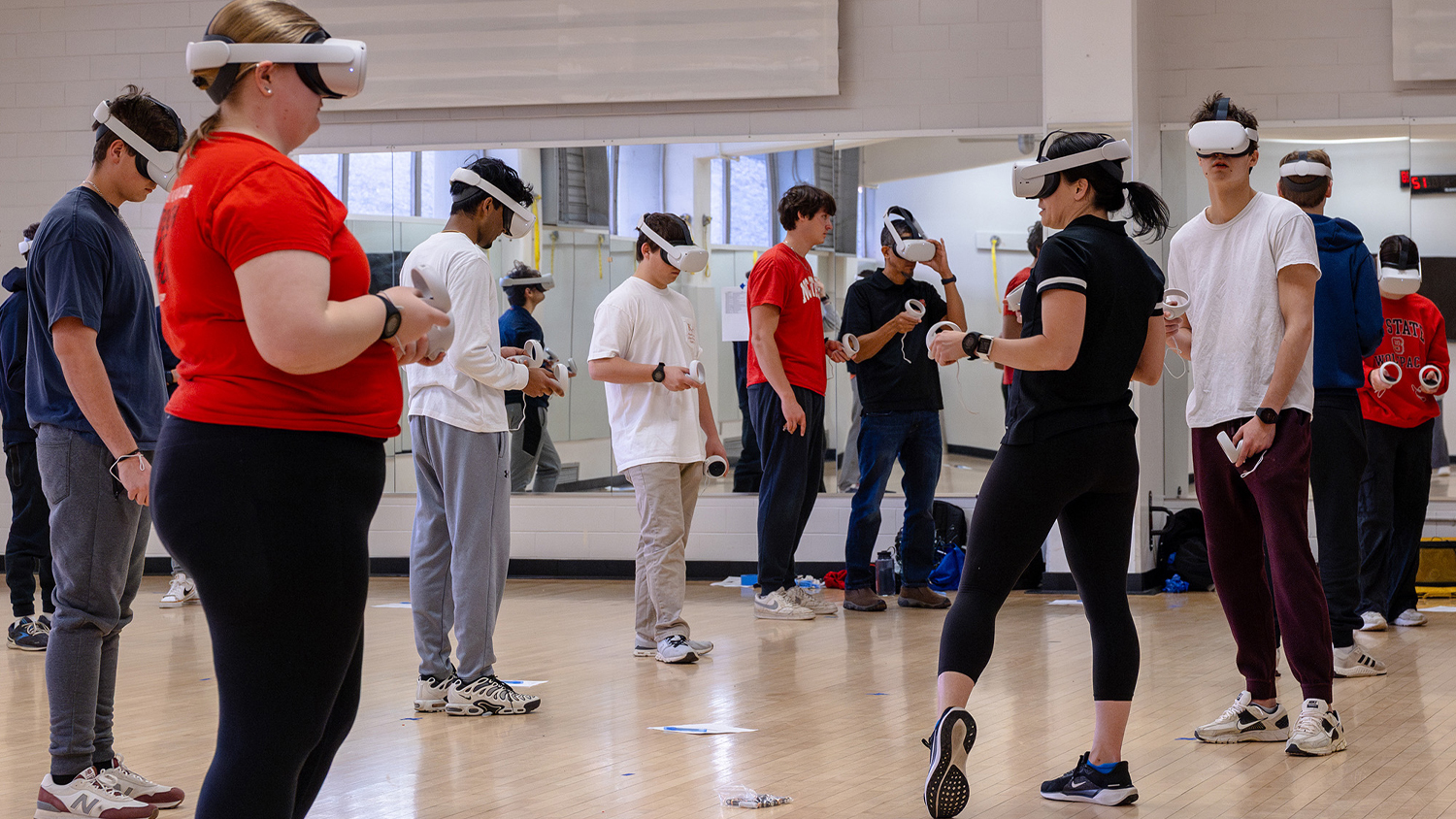
The Meta Quest 3 dominates VR fitness hardware. Its affordable price, impressive processing power, and comfortable design make it a popular choice. Higher resolution and improved passthrough over the Quest 2 enhance immersion and safety in fitness applications. Meta’s platform focus also means steady new features and app support.
It’s not the only option. The HTC Vive Focus 3 offers a higher-end experience with a wider field of view and improved tracking, but at a higher price. The Pico 4 is another competitor, balancing features and affordability, gaining traction in some markets. Key factors for a VR fitness headset are comfort (you’ll be moving), accurate tracking to prevent motion sickness, and a wide field of view for immersion.
Advancements are expected. Lighter headsets with improved battery life are a priority. Better eye tracking and facial expression tracking could enable more personalized, interactive workouts. Improvements in haptic feedback will allow us to feel the virtual world, adding realism. The next generation of hardware will likely focus on making VR feel less like looking at a screen and more like being somewhere else.
Software is King: Top VR Fitness Apps
Hardware is important, but software is where VR fitness shines. The quality and variety of apps will determine this industry's success. Here’s a look at some leading contenders, broken down by workout type.
Supernatural is arguably the most polished and popular VR fitness app, focusing on cardio and rhythm-based workouts. Guided by virtual coaches in stunning environments, you’ll slash blocks to the beat of energetic music. The immersion is incredible, and the workouts are challenging. It’s a subscription service, priced at around $39 per month. The community aspect is strong, with daily live classes and leaderboards.
FitXR offers a broader range of workout types, including boxing, dance, and HIIT. The boxing classes are well-regarded, offering an intense and effective workout. FitXR also emphasizes community, with the ability to work out with friends and compete on leaderboards. Subscription costs vary, generally falling in the $10-$20 per month range.
For boxing enthusiasts, Les Mills Bodycombat brings the popular fitness class into VR. Workouts are led by certified Les Mills instructors and feature authentic Bodycombat choreography. It’s a high-energy, full-body workout that feels similar to the real-world class. The subscription model is similar to FitXR.
Holofit takes a different approach, focusing on low-impact cardio like cycling and rowing. It integrates with compatible fitness equipment, allowing you to explore virtual worlds while getting a workout. It's a great option for people who enjoy endurance activities but want a more engaging experience. Holofit’s subscription is a bit different; you purchase 'credits' to unlock different virtual environments.
Beyond these, there are numerous other noteworthy apps. Beat Saber (while primarily a rhythm game) provides an unexpectedly good cardio workout. OhShape is a unique rhythm game that requires you to physically contort your body to fit through shapes. And VZfit lets you cycle or walk through real-world locations using Google Street View.
- Supernatural: Rhythm-based cardio, immersive environments, strong community ($39/month)
- FitXR: Boxing, dance, HIIT, competitive leaderboards ($10-$20/month)
- Les Mills Bodycombat: Authentic Bodycombat classes in VR, high-energy workouts ($10-$20/month)
- Holofit: Low-impact cardio (cycling, rowing), virtual world exploration (credit-based subscription)
- Beat Saber: Rhythm game with surprisingly good cardio benefits
- OhShape: Unique rhythm game requiring full-body movement
- VZfit: Cycle or walk through real-world locations using Google Street View
VR Fitness App Comparison (2026)
| App Name | Workout Style | Immersion Level | Social Features | Hardware Compatibility |
|---|---|---|---|---|
| FitXR | Boxing, Dance, HIIT | High | Yes | Meta Quest, Pico |
| Supernatural | Flow, Boxing, Meditation | High | Limited | Meta Quest |
| Les Mills Bodycombat | Boxing-inspired Fitness | Medium | Yes | Meta Quest |
| Beat Saber (with custom songs) | Rhythm-based Cardio | Medium | Limited | Meta Quest, PC VR |
| Holofit | Cycling, Rowing, Studio Classes | Medium | Yes | Meta Quest, Pico |
| VZfit | Cycling, Walking, Running (using kinetic devices) | Medium | Limited | Meta Quest, Pico |
| Pistol Whip | Rhythm-based Shooting, Cardio | High | No | Meta Quest, PC VR |
Illustrative comparison based on the article research brief. Verify current pricing, limits, and product details in the official docs before relying on it.
Tracking Progress: Metrics and Integration
One of the key benefits of VR fitness is the ability to track your progress. Most apps record a variety of metrics, including calories burned, heart rate (if you’re using a compatible heart rate monitor), distance traveled, and workout duration. This data can be incredibly motivating, allowing you to see how far you’ve come and set new goals.
Many VR fitness apps also integrate with popular fitness platforms like Apple Health, Google Fit, and Fitbit. This allows you to consolidate all of your fitness data in one place and get a more comprehensive view of your overall health. The level of integration varies between apps; some offer seamless synchronization, while others require manual data export.
The accuracy of VR-based tracking is generally good, but it’s not perfect. Calorie estimates, in particular, can be inaccurate, as they rely on algorithms that may not accurately reflect your individual metabolism. However, for tracking workout duration and intensity, VR fitness apps are generally quite reliable. There are also emerging SDKs and APIs that allow developers to create more sophisticated tracking solutions, potentially leveraging data from external sensors.
For developers wanting to go beyond the basics, the Meta Avatars SDK provides tools to integrate user data and create personalized fitness experiences. While complex, this allows for tailored workouts and more accurate tracking based on individual body metrics. Proper implementation requires significant development effort, but the potential for enhanced personalization is significant.
- Tracked metrics: Calories burned, heart rate, distance, duration
- Integration with: Apple Health, Google Fit, Fitbit
- SDKs available: Meta Avatars SDK for personalized experiences
The Social Workout: Community and Competition
Working out with others is a powerful motivator, and VR fitness apps are finding innovative ways to replicate that experience in the virtual world. Apps like Supernatural and FitXR place a strong emphasis on community, offering features like group workouts, leaderboards, and social challenges.
Supernatural’s daily live classes, led by charismatic instructors, create a sense of shared experience. You can see other users working out alongside you, and even give each other encouragement. FitXR allows you to create private workout sessions with friends, fostering a more intimate and competitive environment.
The motivational benefits of social interaction are well-documented. Knowing that others are pushing themselves alongside you can help you overcome fatigue and achieve your fitness goals. Leaderboards and challenges add an element of gamification, making workouts more fun and engaging. Even the simple act of sharing your progress on social media can provide a sense of accountability and motivation.
Beyond Cardio: Strength Training in VR
While cardio has dominated the VR fitness landscape, strength training is beginning to gain traction. The challenges are significant: accurately replicating the feel of lifting weights in VR is difficult. However, developers are finding creative solutions.
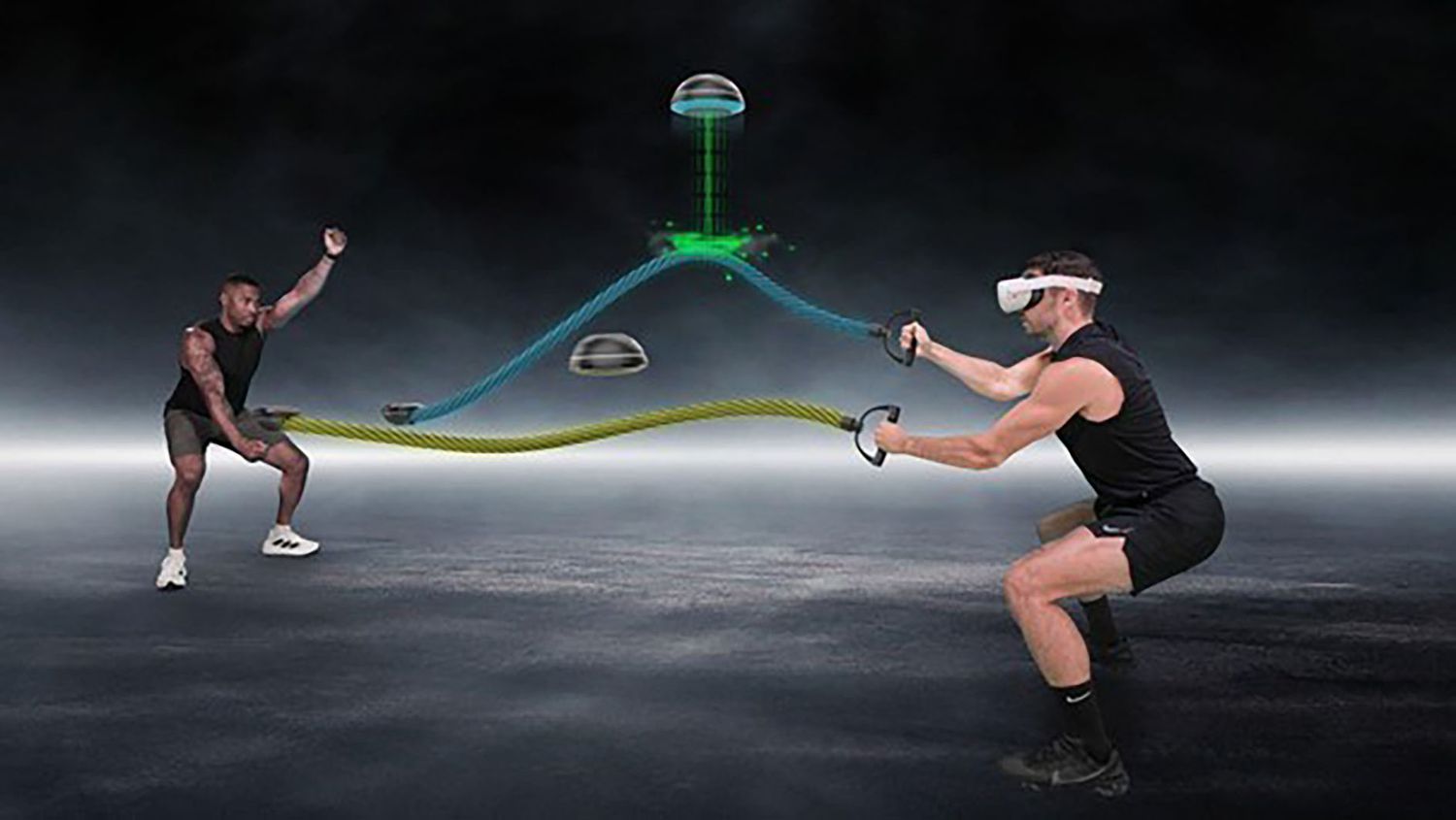
Many apps focus on bodyweight exercises, using VR environments to make them more engaging. For example, you might perform squats in a virtual jungle or lunges on a virtual spaceship. Others incorporate resistance bands, allowing you to add variable resistance to your workouts. There are also experiments with virtual weights, using haptic feedback to simulate the feel of lifting.
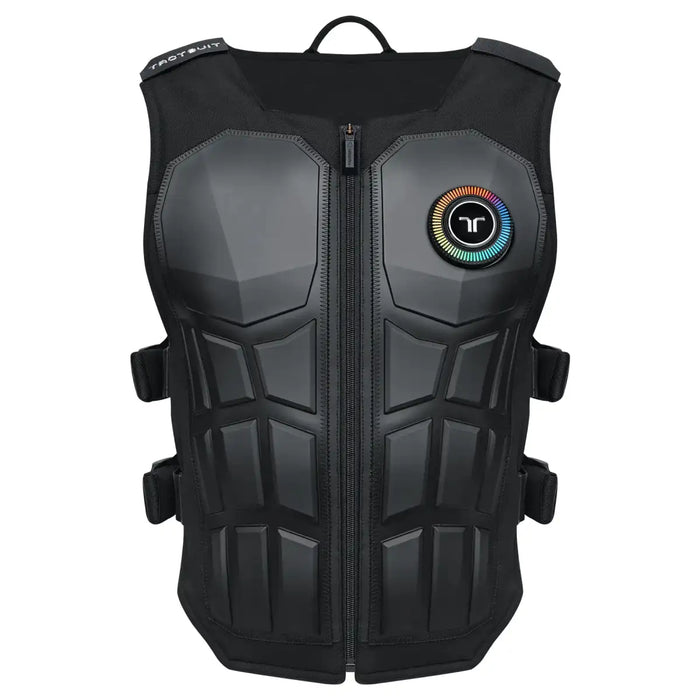
One promising approach involves using motion controllers to track your movements and provide feedback on your form. This can help you maintain proper technique and prevent injuries. The future of VR strength training may involve more sophisticated haptic suits that provide a more realistic and immersive experience. The current options aren't a replacement for a full weight room, but they offer a convenient and engaging way to supplement your strength training routine.
2026 Predictions: What's Next?
Looking ahead to 2026, the VR fitness market is poised for significant growth and innovation. We can expect to see continued advancements in hardware, software, and integration with other technologies.
Hardware will become lighter, more comfortable, and more affordable. Improved tracking accuracy and wider fields of view will enhance immersion and reduce motion sickness. Haptic feedback will become more sophisticated, allowing us to feel the virtual world in a more realistic way. Expect to see more headsets with integrated eye tracking and facial expression tracking, enabling more personalized and interactive workouts.
Software will become more intelligent and adaptive. AI-powered personal trainers will analyze your performance and provide customized workout recommendations. Gamification will become even more prevalent, with more immersive and engaging game-like experiences. We’ll likely see the emergence of entirely new workout types that are only possible in VR.
Integration with other technologies will also play a key role. Augmented reality (AR) could be used to overlay virtual elements onto your real-world environment, creating a hybrid fitness experience. Biofeedback sensors could monitor your physiological data and adjust workouts in real-time. The metaverse could provide a shared virtual space for social workouts and fitness competitions.
By 2026, VR fitness has a strong chance of becoming a mainstream alternative to traditional gyms, appealing to a wider range of users and offering a more engaging and effective workout experience. The convenience, immersion, and social aspects of VR fitness will continue to drive its adoption.
Is VR Fitness Right For You?
VR fitness isn't for everyone, but it's worth considering if you're looking for a fun, engaging, and effective way to get in shape. Here’s a quick guide to help you determine if it’s a good fit for your needs.
Pros: Immersive and engaging workouts, convenient (workout from home), variety of workout types, strong community features, data tracking and progress monitoring, potential for personalized experiences.
Cons: Initial cost of hardware and software, potential for motion sickness (though this is becoming less common with improved technology), requires dedicated space for movement, some apps require a subscription.
If you’re prone to motion sickness, start slowly and gradually increase the intensity of your workouts. Ensure you have enough space to move around safely. And be prepared to invest in a good VR headset and a few apps. If you’re looking for a way to break out of your fitness rut and experience something new, VR fitness is definitely worth a try.
- Do you get motion sick easily? Start slowly and choose apps with minimal movement.
- Do you have enough space? You’ll need a clear area to move around safely.
- Are you comfortable with technology? While VR is becoming more user-friendly, some technical setup is required.
- Are you looking for a fun and engaging workout? VR fitness excels at making exercise enjoyable.
Should You Dive into VR Fitness?
Virtual reality is rapidly changing the fitness landscape, offering a compelling alternative to traditional gyms. But is it right for *you*? This quick quiz will help you determine if VR fitness is a good fit for your lifestyle and goals.

No comments yet. Be the first to share your thoughts!