

The price of a sweat session
Working out in VR has moved past the novelty phase. I've found that swapping a traditional gym for a headset actually works because it's harder to make excuses when the 'gym' is in your living room. It isn't just about games anymore; it's about whether the hardware can keep up with a high-intensity sweat session.
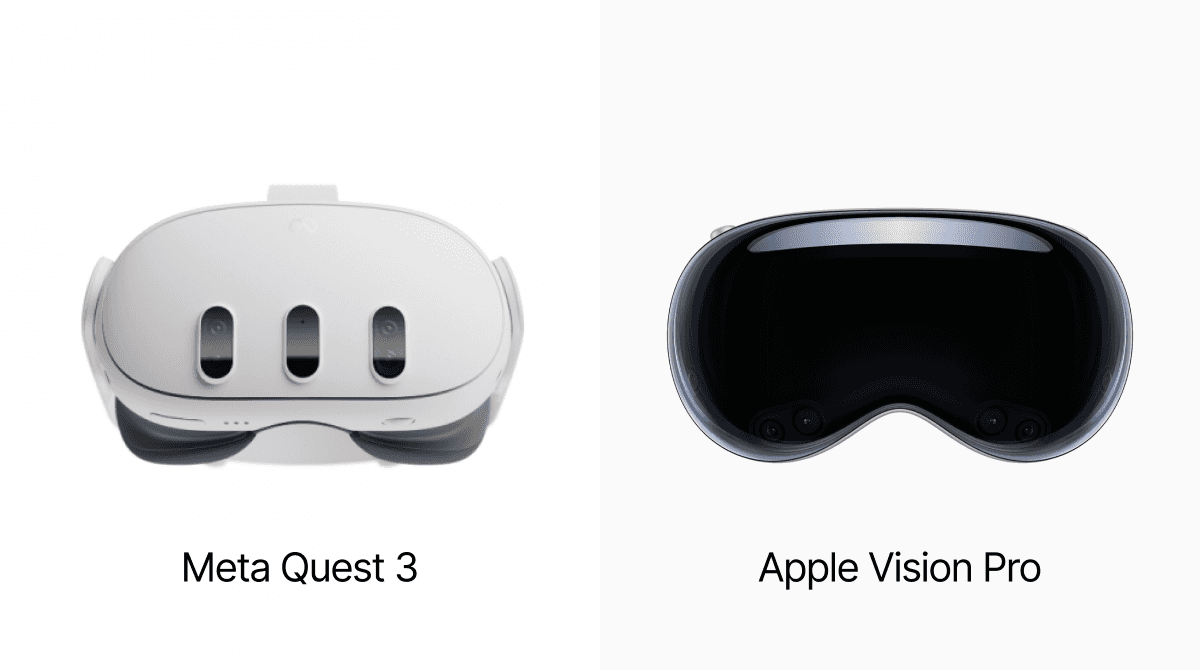
Two headsets are currently leading the charge: the Apple Vision Pro and the Meta Quest 3S. The Vision Pro has generated considerable hype, promising a revolutionary spatial computing experience. The Meta Quest 3S, on the other hand, builds on the established success of the Quest line, offering a more affordable and accessible entry point into VR fitness. Both have potential, but they approach the market from different angles.
While both aim to get you moving, they cater to very different users. The Vision Pro is positioned as a premium, high-end device, while the Quest 3S is focused on providing a solid VR experience at a more competitive price. This difference is immediately apparent in the price tags. The Apple Vision Pro starts at $3,499, while the Meta Quest 3S is available for $499.99. That initial cost is a huge factor for most people.
These aren't direct competitors. If you already own Quest apps and want something strictly for cardio, the Quest 3S is the obvious choice. The Vision Pro is for the person who wants a high-end computer that happens to have some fitness apps, provided they don't mind the $3,000 price jump.
Visuals and immersion
The screen is where the price difference shows. The Vision Pro uses micro-OLED displays with 23 million pixels, which makes the Quest 3S’s 2064 x 2208 LCD panels look grainy by comparison. When you're trying to read small text or focus on a distant virtual trainer, that extra clarity matters.
This higher resolution translates to sharper visuals, more detailed environments, and a more realistic sense of presence in VR. During a fast-paced workout, this clarity can reduce eye strain and improve your ability to focus on form. However, the Quest 3S’s LCD panels still offer a perfectly acceptable visual experience for most users, and the refresh rate is a solid 90Hz. The Vision Pro also supports up to 100Hz.
Field of view is another crucial factor. While Apple doesn’t explicitly state the Vision Pro’s field of view, early reports suggest it’s around 100 degrees. The Quest 3S offers a field of view of approximately 110 degrees. A wider field of view can enhance immersion by filling more of your peripheral vision. It's a subtle difference, but can contribute to a more natural feeling.
The potential for eye strain and motion sickness differs between the two headsets. The higher pixel density of the Vision Pro might reduce eye strain, but the more complex rendering could also contribute to motion sickness for some users. The Quest 3S, with its lower resolution, might be more prone to screen-door effect (seeing the gaps between pixels), but its established technology has been refined to minimize motion sickness. Ultimately, individual sensitivity will play a large role.
Apple Vision Pro vs Meta Quest 3S for VR Fitness: Display & Visual Quality (2026 Comparison)
| Feature | Apple Vision Pro | Meta Quest 3S | Notes |
|---|---|---|---|
| Display Technology | Micro-OLED | LCD | Micro-OLED generally offers superior contrast and black levels, potentially improving immersion during fitness experiences. LCD is a more mature and typically more affordable technology. |
| Resolution (pixels per eye) | Reportedly exceeds 4K per eye | Approximately 2064 x 2208 pixels per eye | Higher resolution can contribute to a sharper, more detailed visual experience, reducing eye strain and enhancing the sense of presence during VR workouts. |
| Field of View (degrees) | Estimated 100-120 degrees | Approximately 110 degrees | A wider field of view increases immersion and can make VR fitness feel more natural. The difference between these two is likely subtle in practical use. |
| Refresh Rate (Hz) | 90Hz - 96Hz (adaptive) | 90Hz - 120Hz (adaptive) | Higher refresh rates reduce motion sickness and improve visual fluidity, important for fast-paced VR fitness activities. |
| Screen Door Effect | Low | Medium | The 'screen door effect' (visibility of the gaps between pixels) can detract from immersion. Micro-OLED displays generally exhibit a lower screen door effect than LCD. |
| Eye Strain Potential | Potentially Low (due to high resolution and advanced display tech) | Medium | High resolution and advanced display technologies in the Apple Vision Pro *may* contribute to lower eye strain, but individual experiences will vary. LCD displays can sometimes cause more eye fatigue during prolonged use. |
| Color Gamut | Wide Color Gamut | Good Color Gamut | A wider color gamut results in more vibrant and realistic visuals, potentially enhancing motivation during VR fitness. |
Illustrative comparison based on the article research brief. Verify current pricing, limits, and product details in the official docs before relying on it.
Tracking & Comfort: Movement Matters
Accurate and responsive tracking is essential for a good VR fitness experience. Both the Apple Vision Pro and the Meta Quest 3S utilize inside-out tracking, meaning the headsets track your movements using onboard cameras, without the need for external sensors. This is a huge convenience. However, the implementation and resulting accuracy can vary.
The Vision Pro uses a more advanced system with six external cameras and two inward-facing cameras for precise tracking of your hands and body. Meta has steadily improved the Quest’s tracking over iterations, and the Quest 3S builds on that foundation. While it’s likely the Vision Pro offers slightly more precise tracking, the Quest 3S is more than adequate for most fitness activities.
Comfort is paramount, especially during sweaty workouts. The Meta Quest 3S is generally considered more comfortable due to its lighter weight (around 515 grams) and more established ergonomic design. The Vision Pro, with its heavier build (around 600-650 grams, depending on configuration) and unique design, may cause discomfort during longer sessions. The weight distribution is a key concern.
Apple offers a variety of headbands and facial interfaces for the Vision Pro, allowing users to customize the fit. Meta also provides accessories for the Quest 3S, but the options are generally less extensive. Finding the right fit is crucial to avoid discomfort and ensure accurate tracking. A poorly fitted headset can easily ruin a workout.
- Apple Vision Pro: Six external cameras, two inward-facing cameras for tracking
- Meta Quest 3S: Inside-out tracking with improved accuracy over previous generations
- Weight: Vision Pro (600-650g), Quest 3S (515g)
- Adjustability: Both offer adjustable head straps and facial interfaces
Fitness App Ecosystem: Where You Sweat
The availability of quality fitness apps is a major differentiator. The Meta Quest 3S has a significant head start in this area, with a well-established ecosystem of dedicated VR fitness applications. Popular options include Supernatural, a subscription-based cardio workout app with beautiful environments and expert coaching ($399/year). FitXR offers a variety of boxing, dance, and HIIT workouts ($9.99/month). Les Mills Bodycombat brings the energy of the popular fitness classes into VR ($19.99/month).
The Apple Vision Pro’s fitness app ecosystem is still in its early stages. As of early 2026, the App Store features apps like Lungy, which focuses on immersive calm spaces for meditation and breathing exercises. Nuits provides white noise soundscapes for relaxation. TRIPP offers guided meditation experiences. However, the selection of dedicated, high-intensity fitness apps is currently limited. According to apps.apple.com, the health & fitness category is growing, but still lacks the depth of the Quest Store.
One potential advantage of the Vision Pro is the possibility of sideloading apps – installing apps from outside the official App Store. This could open up access to a wider range of fitness experiences, but it also comes with security risks and potential compatibility issues. Apple’s restrictions on sideloading are relatively strict, so this isn't a straightforward process.
The quality of the workout experiences also varies. Supernatural is praised for its immersive environments and motivating coaching. FitXR offers a social element, allowing you to workout with friends. Les Mills Bodycombat delivers the energy of a live fitness class. The Vision Pro apps, while promising, are still developing their features and content libraries. The YouTube channel showcasing Fitness with Apple Vision Pro demonstrates some early adopter experiences, but it's clear the ecosystem is nascent.
- Meta Quest 3S: Access to Supernatural, FitXR, and Les Mills Bodycombat.
- Apple Vision Pro: Lungy, Nuits, TRIPP (limited dedicated fitness apps currently)
- Subscription Costs: Vary depending on the app (ranging from $10/month to $400/year)
- Sideloading: Possible on Vision Pro, but with limitations and risks
Essential VR Fitness Accessories for Apple Vision Pro & Meta Quest 3S

PU leather and foam construction · Designed for Oculus Quest 2 facial interface replacement · Aims to improve comfort and hygiene
This accessory enhances comfort and hygiene for your VR headset.

Adjustable elite strap replacement with double knobs · Features two large support pads · Designed to reduce pressure and enhance support
This head strap provides enhanced support and pressure reduction for extended wear.

Anti-slip design for controllers · Adjustable knuckle straps · Compatible with Meta Quest 3S and Quest 3 controllers
These straps improve grip and control, preventing accidental drops during active VR use.

Sweat-proof PU foam cushion · Specifically designed for Oculus Quest 3S · Compatible with the original Quest 3S spacer
This sweat-proof cushion maintains comfort and hygiene during intense VR fitness sessions.

Protects VR headset lenses · Shields against sunlight, scratches, and dust · Compatible with multiple VR headsets including Quest 3S and Vision Pro
Protect your valuable VR lenses from damage with this versatile protector.
As an Amazon Associate I earn from qualifying purchases. Prices may vary.
Spatial computing vs. pure VR
The Apple Vision Pro’s spatial computing capabilities are its defining feature, and they hold potential for revolutionizing VR fitness. Imagine a virtual personal trainer appearing in your living room, guiding you through a workout and providing real-time feedback. Or interactive fitness games that respond to your surroundings, turning your home into a dynamic workout environment.
This is a significant departure from traditional VR fitness, where you’re typically confined to a virtual space. Spatial computing allows the virtual and real worlds to blend seamlessly, creating a more engaging and immersive experience. For example, you could use your physical furniture as obstacles in a virtual obstacle course, or interact with virtual objects that are anchored to specific locations in your room.
However, the practical benefits of spatial computing for fitness are still being explored. Does the added layer of augmented reality significantly enhance the workout experience, or is it more of a gimmick? Some early users report that the spatial awareness adds a new dimension to workouts, while others find it distracting. The effectiveness likely depends on the specific app and the individual user’s preferences.
Videos on YouTube demonstrating Fitness with Apple Vision Pro show some interesting use cases, but also highlight the limitations. The technology is still evolving, and the software needs to be optimized for fitness applications. The potential is there, but it’s not yet fully realized.
Price & Value: The Bottom Line
Let's be direct: the Apple Vision Pro is significantly more expensive. At $3,499, it's a considerable investment. The Meta Quest 3S, at $499.99, is far more accessible. This price difference extends beyond the headset itself. You’ll need to factor in the cost of accessories, such as headbands and facial interfaces, as well as subscription fees for fitness apps.
The Vision Pro’s value proposition hinges on its advanced technology and spatial computing capabilities. If you’re a tech enthusiast who wants the latest and greatest, and you’re willing to pay a premium for it, the Vision Pro might be worth considering. However, for the average VR fitness enthusiast, the Quest 3S offers a more compelling value.
The Quest 3S provides a solid VR experience, a wide selection of fitness apps, and a comfortable design, all at a fraction of the price. You can get a great workout without breaking the bank. The Vision Pro's benefits – higher resolution, more precise tracking, spatial computing – may not be worth the extra cost for everyone. It really depends on your priorities and budget.
Consider your fitness goals and how frequently you plan to use the headset. If you’re a casual user, the Quest 3S is likely the better choice. If you’re a dedicated fitness enthusiast who wants the most immersive and technologically advanced experience, and you have the budget to support it, the Vision Pro might be a worthwhile investment.
Which VR headset are you most likely to purchase for fitness purposes in 2026?
We are putting together our complete comparison guide on the Apple Vision Pro and Meta Quest 3S for VR fitness. Your input helps us understand what the Fitness Own community values most when choosing a headset for workouts. Vote below and share your reasoning in the comments to help fellow members make an informed decision.

No comments yet. Be the first to share your thoughts!