
VR Weight Loss: Beyond the Hype
I remember talking to a friend, Sarah, last year. She’d always struggled to find an exercise routine she enjoyed, and frankly, she felt self-conscious going to a traditional gym. Then she tried VR fitness, and everything changed. Within months, she’d lost weight, gained energy, and, most importantly, she was excited about working out. That transformation is becoming increasingly common.
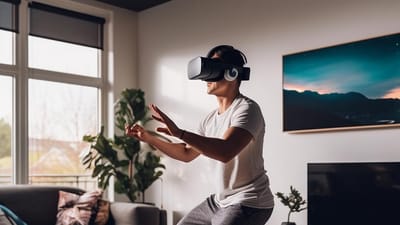
Virtual reality isn't just for gaming anymore. It’s evolving into a surprisingly effective tool for weight management and overall fitness. For years, people have imagined VR as escapism, but its potential to get you moving – and keep you moving – is now being seriously recognized. It offers a unique blend of immersion and engagement that traditional exercise often lacks.
There's been skepticism, of course. Can playing a game really burn calories? The answer, according to a systematic review and meta-analysis published in PMC (pmc.ncbi.nlm.nih.gov), is a resounding yes. The study showed that VR interventions can lead to significant weight loss and improvements in cardiovascular health. It’s not a miracle cure, but it’s a powerful tool.
What sets VR fitness apart is its ability to distract you from the exertion. You’re focused on the virtual environment, the game, the challenge, rather than on how tired you are. This can allow you to push yourself harder and for longer periods, without feeling like you're 'working out' in the traditional sense. We're seeing people who previously disliked exercise embrace VR as a fun and sustainable way to reach their fitness goals.
Calories Burned: What the Data Says
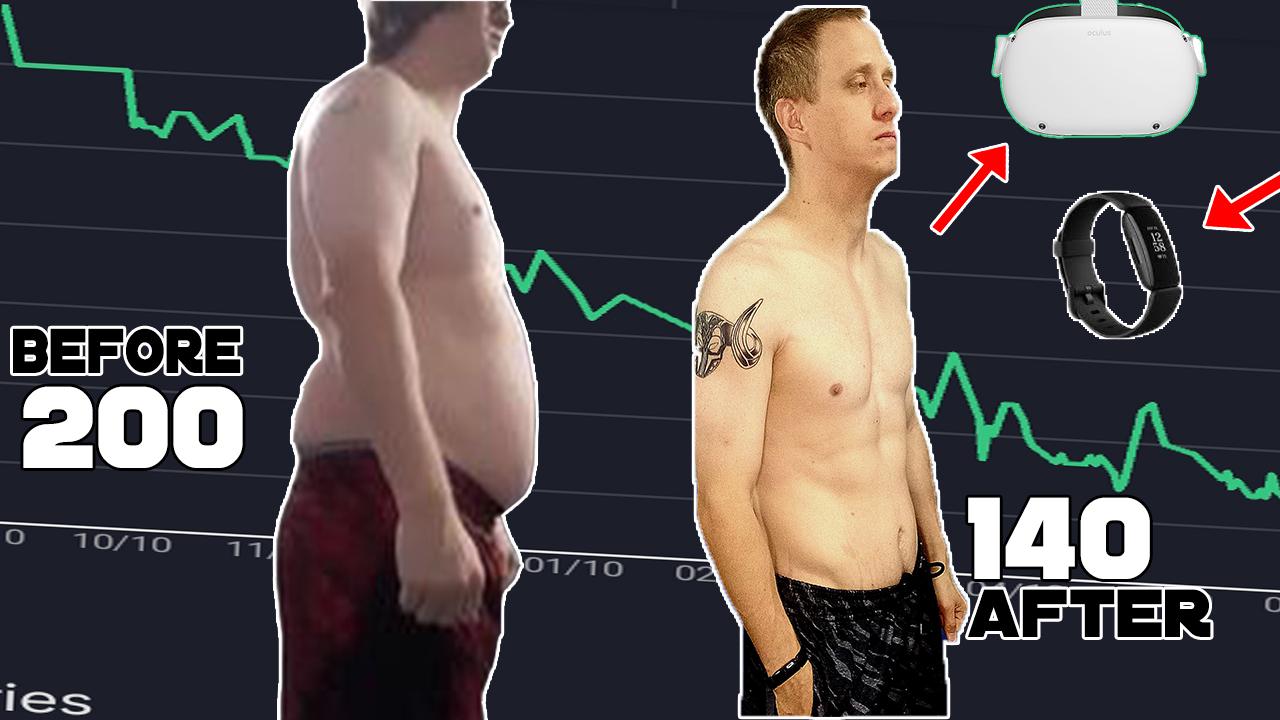
Let’s get down to specifics. How many calories can you actually burn with VR? It varies, naturally, but the numbers are impressive. A moderate 30-minute session of VR boxing, like the one found in BoxVR (now FitXR), can burn around 300-400 calories. More intense games, such as Beat Saber, where you’re constantly swinging your arms to slice blocks, can push that number closer to 400-500 calories in the same timeframe.
That’s comparable to a brisk walk or a light jog. Obstacle course-style games, like Supernatural, which require a lot of ducking, jumping, and upper body movement, can burn even more – upwards of 500+ calories per session. I came across a YouTube video from a user named VikingVR (9 Lessons About VR Fitness That Helped Me Lose Weight After 40), and he detailed his experience losing weight after 40 using VR. He emphasized the consistency and enjoyment factor as key to his success.
Several factors influence calorie expenditure. Intensity is a big one; a high-intensity interval training (HIIT) style VR game will burn significantly more calories than a slower-paced experience. Duration matters too – the longer you play, the more you burn. Your weight and fitness level also play a role; heavier individuals and those who are less fit will generally burn more calories.
It's important to be realistic. VR isn’t a magic bullet. You still need to put in the effort and be consistent. But it can be a highly effective way to supplement your existing fitness routine, or even to start one if you've been putting it off. Individual results will vary, but the potential for significant calorie burn is definitely there.
Estimated Calorie Burn Rates for VR Fitness Activities (per 30 Minutes)
| Activity | Intensity Level | Estimated Calorie Burn |
|---|---|---|
| Beat Saber | Medium | 220-300 calories |
| Supernatural | High | 300-450 calories |
| FitXR | Medium | 200-350 calories |
| BoxVR (FitXR) | High | 350-450 calories |
| Les Mills Bodycombat | High | 300-400 calories |
| VR Cycling (e.g., VirZoom) | Low-Medium | 150-250 calories |
| VR Boxing | Medium-High | 250-400 calories |
| Active Arcade (various games) | Medium | 200-300 calories |
Illustrative comparison based on the article research brief. Verify current pricing, limits, and product details in the official docs before relying on it.
Top VR Workouts for Weight Loss (2026)
So, what are some of the best VR workouts available right now? The options are expanding rapidly, but here are a few standouts. FitXR (formerly BoxVR) is a boxing-focused workout that’s great for cardio and upper body strength. It’s structured like a fitness class, with a coach guiding you through the routines. Intensity is adjustable, making it suitable for all fitness levels.
Beat Saber is a rhythm game that’s surprisingly demanding. You slash blocks with lightsabers in time with the music, engaging your arms, shoulders, and core. It’s incredibly addictive and a fantastic workout. Supernatural is a subscription-based app that offers guided fitness classes in stunning virtual environments. It focuses on full-body workouts, combining cardio, strength training, and mindfulness.
Les Mills Bodycombat brings the popular fitness class into VR. You'll learn martial arts-inspired moves and burn serious calories. It's a high-energy workout that's perfect for those who enjoy a challenge. Pistol Whip is an on-rails shooter that requires you to dodge bullets and shoot enemies while moving to the beat. It’s a fast-paced, exhilarating workout that improves reflexes and coordination.
At Fitness Own, we're focused on creating immersive and effective VR fitness experiences. Our routines are designed to target specific muscle groups and provide a full-body workout. We emphasize proper form and offer personalized feedback to help you maximize your results. Holofit is unique in that it lets you 'cycle' through virtual worlds, integrating with your real stationary bike for a truly immersive cardio experience.
OhShape is a rhythm game where you have to move your body to fit through shapes that appear in front of you. It's a fun and challenging workout that improves flexibility and coordination. Synth Riders is similar to Beat Saber, but with a focus on flowing movements and dynamic tracks. It's a great option for those who prefer a more dance-oriented workout.
Which VR Workout is Right For You?
Ready to dive into the world of VR fitness and burn some serious calories? This quick quiz will help determine the best virtual reality workouts to match your current fitness level, workout preferences, and available equipment. Let's find your perfect VR fitness fit!
Gear Up: What You Need to Start
Getting started with VR fitness doesn't require a huge investment, but there are a few essential pieces of equipment. The most important is, of course, a VR headset. The Meta Quest 3 is currently a popular choice, offering a good balance of price, performance, and features. The HTC Vive XR Elite is another strong contender, known for its modular design and high-resolution display.
Consider comfort when choosing a headset. You’ll be wearing it for extended periods, so a comfortable fit is crucial. Accessories can make a big difference. A comfortable head strap can relieve pressure points, and sweat-resistant covers will keep your headset clean. Wrist weights can add extra resistance to your workouts, but use them cautiously and prioritize proper form to avoid injury.
You’ll also need adequate play space. Most VR games require a clear area of at least 6.5 x 6.5 feet. Make sure there are no obstacles in your path. It’s also a good idea to have a fan to keep you cool during intense workouts. Don’t get bogged down in the technical details. Focus on getting a headset that’s comfortable, affordable, and meets your basic needs.
Staying Safe and Avoiding Injury
VR fitness is generally safe, but it's important to be aware of the potential risks. Motion sickness is a common issue, especially for beginners. Start with short sessions and gradually increase the duration as you get your 'VR legs'. Taking breaks and focusing on a fixed point in the virtual environment can also help. Eye strain is another concern. Remember to blink regularly and take breaks to rest your eyes.
Collisions are a real hazard. Be aware of your surroundings and clear your play space of any obstacles. Using a swivel chair can help you rotate safely. Overuse injuries are also possible. Don’t push yourself too hard, especially when you’re first starting out. Listen to your body and take rest days when needed.
Proper form is essential, even in VR. It’s easy to get carried away and sacrifice form for speed or intensity, but this can lead to injuries. Pay attention to your posture and movements. Muscle soreness is normal, especially after a challenging workout. But if you experience any sharp or persistent pain, stop immediately and consult a healthcare professional.
VR fitness can be physically demanding, so it’s important to treat it like any other workout. Warm up before each session, cool down afterward, and stay hydrated. Be mindful of your limitations and don't try to do too much too soon.
Beyond the Game: Tracking Progress
Staying motivated is key to long-term success with any fitness routine, and VR is no exception. Most VR fitness apps track key metrics like calories burned, workout duration, and scores. Use these built-in features to monitor your progress and see how far you’ve come. Integrating your VR fitness data with other fitness trackers, like Fitbit or Apple Watch, can provide a more comprehensive view of your overall activity levels.
Setting realistic goals is crucial. Don’t try to lose 20 pounds in a week. Start with small, achievable goals, like working out three times a week for 30 minutes each time. As you progress, you can gradually increase the intensity and duration of your workouts. Celebrating milestones is also important. Reward yourself for reaching your goals, whether it’s with a new VR game or a healthy treat.
Seeing your progress visually can be incredibly motivating. Tracking your weight, body measurements, or fitness scores can help you stay on track and see the positive impact of your VR workouts. The psychological benefits of seeing yourself improve are significant and can help you maintain your commitment to fitness.
VR Fitness Communities & Motivation
undefined for connection.
Many VR fitness games also have built-in communities. FitXR, for example, allows you to work out with other players in a virtual studio. This adds a social element to your workouts and can help you stay motivated. There are also examples of successful VR fitness communities organizing virtual events and challenges.
Finding a community that fits your needs is important. Look for a group that’s supportive, encouraging, and aligned with your fitness goals. Don’t be afraid to try out different communities until you find one that feels right. The social aspect of some VR fitness games can also be a major draw, making workouts more fun and engaging.
Sharing your progress and celebrating your achievements with others can provide a powerful boost to your motivation. And knowing that others are working towards similar goals can help you stay on track when you’re feeling discouraged.
The Future of VR Weight Loss
The future of VR fitness is bright. We’re already seeing advancements in haptic feedback, which will make virtual environments feel more realistic and immersive. Imagine feeling the impact of a punch in a boxing game or the resistance of a weightlifting exercise. AI-powered personal training is another exciting development. AI could analyze your movements and provide personalized feedback to help you improve your form and maximize your results.
More immersive virtual environments will also play a key role. As VR technology improves, we’ll be able to create even more realistic and engaging virtual worlds, making workouts more enjoyable and effective. The potential for VR to make fitness more accessible and enjoyable for everyone is enormous.
Emerging technologies, like brain-computer interfaces (BCIs), could eventually allow us to control VR experiences with our minds. While still in its early stages, this technology could have a profound impact on VR fitness, allowing for even more intuitive and immersive workouts. VR fitness is evolving rapidly, and the possibilities are endless.

No comments yet. Be the first to share your thoughts!