
VR fitness is finally good
The idea of getting fit while playing a game sounds almost too good to be true, doesn’t it? For years, VR fitness felt like a promise perpetually just out of reach. Early headsets were clunky, tracking was unreliable, and the software was… limited. But things have changed. Quickly.
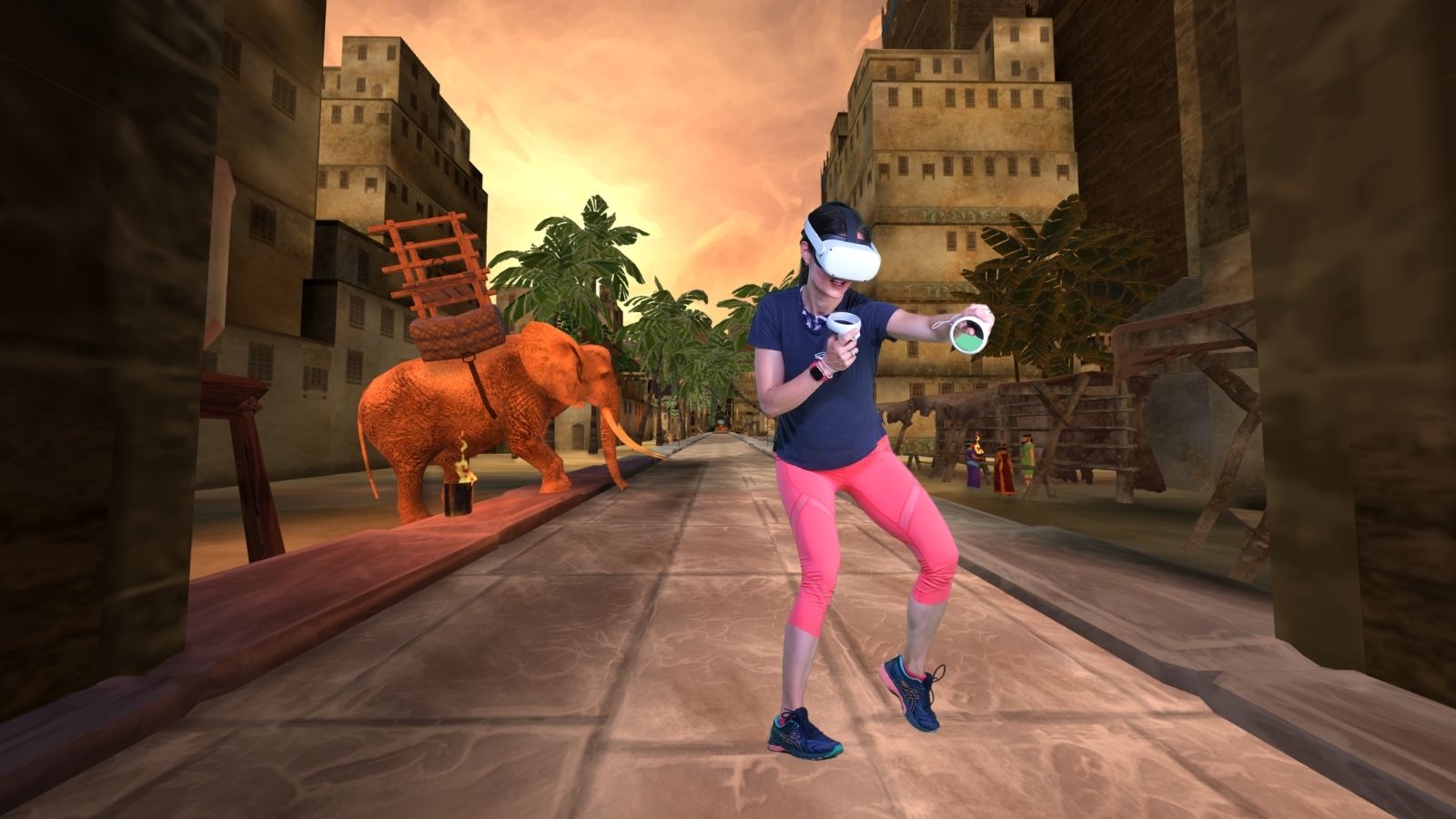
The Meta Quest 3 and PICO 4 changed the game. They are lighter, the screens are sharper, and they actually track your movement without glitching. VR isn't just a gimmick anymore; it's a legitimate way to get a sweat on without leaving your house.
Exercise Physiologist on YouTube released a detailed video in 2025 breaking down the science behind the best VR fitness apps, and it’s a great resource for anyone skeptical about the effectiveness of these workouts. It’s not just waving your arms around; these experiences can deliver a full-body workout, increase motivation, and tackle the boredom that often plagues traditional exercise.
The benefits are compelling. VR can make exercise more engaging, reducing the mental barriers that keep many people from sticking to a routine. It allows for full-body workouts that can be surprisingly intense and, crucially, it's accessible. You don’t need a gym membership or expensive equipment to get started.
The gear you actually need
You don’t need to spend a fortune to participate in this challenge. The good news is the barrier to entry is lower than ever. While high-end PCVR setups are great, a standalone headset is perfectly sufficient – and often preferable for ease of use.
The Meta Quest 3 is an excellent starting point. Its standalone capability means no PC is required, and the higher resolution display makes for a significantly more immersive experience than previous generations. It currently retails for around $499. The PICO 4 is a viable alternative, often available at a slightly lower price point, but the app ecosystem isn't quite as robust.
The app selection is where things really open up. FitXR is a popular choice, offering a variety of boxing and dance classes. Supernatural, while subscription-based at $19.99 per month, delivers stunning visuals and rhythm-based cardio workouts. Les Mills Bodycombat brings the energy of the popular fitness class to your living room, and Holofit is fantastic if you own a compatible bike or rowing machine.
Don’t discount the fun factor. Beat Saber, while primarily a rhythm game, provides a surprisingly intense cardio workout. And for boxing enthusiasts, The Thrill of the Fight offers a realistic and challenging experience. Finally, comfortable clothing and a clear play space are essential. You’ll be moving around, so make sure you have enough room and won’t trip over anything.
- Meta Quest 3 ($499): The best all-around standalone headset with high-resolution lenses.
- PICO 4: ~$400 (Standalone, Good Value)
- FitXR: Boxing, Dance Classes
- Supernatural ($19.99/month): A premium cardio app with coached workouts and real-world scenery.
- Les Mills Bodycombat: Martial Arts
- Holofit: Cycling/Rowing (Requires Compatible Equipment)
VR Fitness App Comparison - 2026
| App Name | Workout Style | Intensity Level | Space Required | Equipment Needed |
|---|---|---|---|---|
| FitXR | Boxing, Dance, HIIT | Beginner to Advanced | Small - Medium | Controllers |
| Supernatural | Flow (Cardio/Strength), Meditation | Beginner to Advanced | Medium - Large | Controllers |
| Les Mills Bodycombat | Martial Arts-inspired Fitness | Intermediate to Advanced | Medium | Controllers |
| Holofit | Rowing, Cycling, Skiing | Beginner to Advanced | Medium | Compatible Bike/Rower Required |
| Beat Saber | Rhythm-based Cardio | Beginner to Advanced | Small - Medium | Controllers |
| Thrill of the Fight | Boxing | Intermediate to Advanced | Small - Medium | Controllers |
Illustrative comparison based on the article research brief. Verify current pricing, limits, and product details in the official docs before relying on it.
The 30-Day Plan: Weekly Breakdown
This challenge is structured around a four-week progression, gradually increasing intensity and focusing on different aspects of fitness. Remember to always warm up before each workout and cool down afterward. A five-minute dynamic stretch is a good starting point for warming up, and static stretches are ideal for cooling down.
Week 1: Foundation. This week is about getting comfortable with VR and building a base level of fitness. Focus on low-intensity cardio. Try FitXR’s dance mode for 20-30 minutes, three times this week. Supplement with Supernatural’s scenic workouts, again aiming for 20-30 minutes, twice this week. The goal is to establish a routine and get your body used to the movement.
Week 2: Strength & Conditioning. Now it’s time to build some strength. Incorporate boxing workouts in FitXR or try The Thrill of the Fight for 20-25 minutes, three times a week. Add Les Mills Bodycombat to your schedule twice this week, focusing on proper form. Don't be afraid to start with lower difficulty levels and gradually increase as you get stronger.
Week 3: Interval Training. This week introduces higher-intensity intervals. Supernatural flows are perfect for this – aim for 30-minute workouts, three times this week. If you’re up for a challenge, try Beat Saber on expert mode for 20-minute sessions, twice this week. Remember to push yourself, but listen to your body and take breaks when needed.
Week 4: Peak Performance. This is where you combine everything you’ve learned. Mix up your workouts, increasing intensity and duration. For example: Monday – 25 minutes FitXR boxing, Wednesday – 35 minutes Supernatural, Friday – 25 minutes Les Mills Bodycombat, and a longer session (40-45 minutes) on the weekend combining elements from all three. Challenge yourself to beat your previous scores and push your limits.
Tracking Progress and Staying Motivated
Tracking your progress is crucial for staying motivated and seeing results. Many VR fitness apps, like Supernatural and FitXR, have built-in tracking features that monitor calories burned, workout duration, and other metrics. Pay attention to these numbers, but don’t get too fixated on them.
If possible, use a heart rate monitor (a chest strap is more accurate than a wrist-based tracker) to get a more comprehensive picture of your effort. Combining VR app data with data from a separate fitness tracker can provide a more complete overview. Setting realistic goals is also key. Don’t try to do too much too soon. Start small and gradually increase your intensity and duration.
If you feel nauseous, stop immediately. Pointing a floor fan at your face helps your brain stay oriented to the real world. To keep from getting bored, I recommend swapping between a high-intensity boxing game and a rhythm game every other session.
For more information on tracking your progress and optimizing your VR fitness experience, check out Fitness Own’s extensive resources on VR fitness tracking at fitnessown.com.
- Track Workout Data: Calories burned, duration, intensity
- Use a Heart Rate Monitor: For accurate effort measurement
- Set Realistic Goals: Start small and gradually increase
- Find a VR Fitness Buddy: For motivation and accountability
What happens after the first month
Completing the 30-day challenge is a fantastic accomplishment, but it’s just the beginning. The real key to success is integrating VR fitness into a sustainable long-term routine. Don’t let it become a novelty that fades away after a month.
Set new goals, explore new apps, and continually challenge yourself. Consider joining VR fitness communities to connect with other enthusiasts and share your experiences. Many apps offer social features that allow you to work out with friends in a virtual environment, which can add an extra layer of motivation.
The future of VR fitness is exciting. We’re seeing advancements in haptic feedback suits that provide a more immersive and realistic experience. More realistic environments and AI-powered personal trainers are also on the horizon. These innovations will further enhance the effectiveness and enjoyment of VR fitness.
As noted in a recent article on Mixed-News, the Meta Quest continues to be a dominant force in the VR fitness space, with a growing library of apps and a thriving community. Staying informed about the latest developments will help you make the most of this rapidly evolving technology.
What's your biggest challenge with VR fitness?
Vote below and share the main obstacle affecting your VR workout consistency.
Safety First: VR Fitness Precautions
Your safety is paramount. Before you start any VR fitness workout, clear your play space of obstacles. Ensure you have enough room to move around without bumping into furniture or walls. Stay hydrated by drinking plenty of water before, during, and after your workout.
Listen to your body and take breaks when needed. Don’t push yourself too hard, especially when you’re first starting out. Be aware of your surroundings, even though you’re immersed in a virtual environment. It’s easy to lose track of where you are in the real world.
Start slowly and gradually increase the intensity and duration of your workouts. Consult with a doctor before starting any new fitness program, especially if you have underlying health conditions. Be mindful of the risk of repetitive strain injuries, and use proper form to avoid overexertion.
Remember that VR can be disorienting, so take breaks if you feel dizzy or nauseous. Prioritizing safety will ensure you can enjoy the benefits of VR fitness for years to come.
No comments yet. Be the first to share your thoughts!