

VR Weight Loss: Beyond the Hype
Virtual reality fitness is gaining traction, with artificial intelligence enhancing its capabilities beyond simple gaming. VR has long promised immersive experiences, but only recently has the technology and software matured enough to offer genuine fitness benefits. While not a magic bullet, the potential is exciting.
Early VR fitness games mimicked real-world activities like boxing or dancing. While fun, they often lacked the personalized guidance needed for serious results. AI is changing this by analyzing movements, adapting difficulty in real-time, and providing feedback to optimize workouts. This shifts the experience from playing a fitness game to following a personalized fitness program.
Skepticism about VR as a gimmick is understandable. However, a growing body of research and sophisticated AI algorithms suggest VR weight loss is a potentially powerful tool for achieving fitness goals. This article examines the data, programs, and real-world results to assess its promise.
This guide focuses on real results, not just fun games. VR weight loss requires commitment, like any exercise regime, but its immersive nature can make it more engaging and effective.
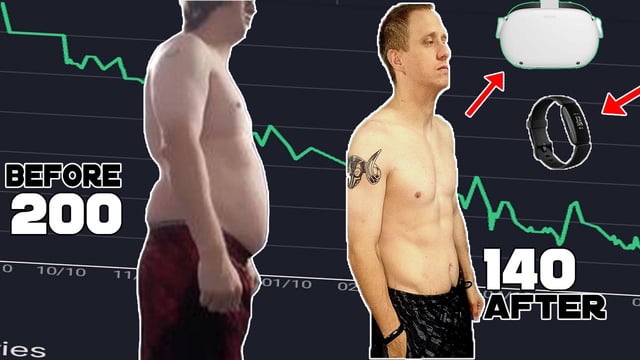
The Science of VR & Weight Management
This section examines how VR impacts weight management compared to traditional exercise. A systematic review and meta-analysis published by PMC (Evaluating the use of virtual reality for weight management: A systematic review and meta‐analysis) examined multiple trials involving VR interventions for weight loss and related health markers.
The meta-analysis found that VR interventions showed a statistically significant reduction in body mass index (BMI) compared to control groups. While effect size varied by intervention type, the overall trend was positive, suggesting VR's immersive nature contributes to weight loss. Participants in VR studies often reported higher enjoyment and motivation.
One key factor is perceived exertion. VR can distract from physical discomfort, making workouts feel less strenuous. This means the brain processes the experience differently, potentially leading to longer workout durations and increased consistency. Many VR workouts burn a comparable number of calories to brisk walking or cycling.
The research is not conclusive, with varying study quality and a need for more long-term data. VR is not a replacement for a healthy diet and consistent exercise, but it can be a valuable addition to an overall wellness plan.
- Increased Motivation: The immersive nature of VR makes exercise more engaging.
- Reduced Perceived Exertion: VR can distract from physical discomfort.
- Comparable Calorie Burn: Many VR workouts burn similar calories to traditional exercises.
- Potential for Long-Term Adherence: Enjoyment and engagement can lead to consistent workouts.
VR Fitness vs. Traditional Exercise: A Comparative Overview
| Exercise Type | Calorie Burn (Relative) | Motivation Level | Accessibility | Joint Impact | Enjoyment |
|---|---|---|---|---|---|
| Traditional Cardio (Running, Cycling) | High | Medium | Moderate (gym memberships, equipment costs) | Medium to High | Medium |
| Traditional Strength Training | Medium to High | Medium | Moderate to High (gym memberships, equipment costs) | Medium | Low to Medium |
| HIIT (High-Intensity Interval Training) | High | Medium to High | Low to Moderate (minimal equipment needed) | High | Medium |
| VR Cardio (e.g., BoxVR, Supernatural) | Medium to High | High | Moderate (VR headset required, subscription costs) | Low to Medium | High |
| VR Strength Training (e.g., FitXR, Les Mills Bodycombat) | Medium | High | Moderate (VR headset required, subscription costs) | Low to Medium | Medium to High |
| VR Active Gaming (e.g., Beat Saber) | Medium | High | Moderate (VR headset required) | Low | High |
| VR Immersive Environments (e.g., walking/running in virtual landscapes) | Medium | Medium to High | Moderate (VR headset required, potentially subscription) | Low | Medium to High |
Illustrative comparison based on the article research brief. Verify current pricing, limits, and product details in the official docs before relying on it.
AI's Role: Personalization & Adaptation
The integration of artificial intelligence is a game-changer in VR weight loss, moving beyond the immersive environment alone. Early VR fitness programs were static, offering a one-size-fits-all experience. AI now allows programs to adapt to individual users, their fitness levels, and goals, representing a significant leap forward.
Dynamic difficulty adjustment is a prime example. AI algorithms monitor performance in real-time—speed, accuracy, and range of motion—and adjust the challenge accordingly. This ensures users work at optimal intensity, maximizing calorie burn and minimizing injury risk. This is akin to having a personal trainer constantly tweaking a workout.
AI also provides personalized workout recommendations. Based on fitness history, goals, and biometric data, AI suggests specific exercises or programs best suited for the user. This eliminates guesswork and helps users stay on track, which is particularly valuable for beginners.
AI-powered form correction is another significant development. Using VR headset sensors, AI analyzes movements and provides real-time feedback on technique. This helps users avoid bad habits and maximize exercise effectiveness, functioning like a virtual personal trainer watching form.
- Dynamic Difficulty Adjustment: AI adjusts the challenge in real-time.
- Personalized Workout Recommendations: AI suggests exercises based on your goals and fitness level.
- Form Correction: AI provides feedback on your technique.
- Progress Tracking: AI monitors your progress and provides insights.
Top VR Programs for 2026
The VR fitness market is rapidly evolving, offering many options. Here are leading AI-powered VR weight loss programs, each with strengths and weaknesses, focusing on what each program does well.
FitXR offers a variety of studio-style fitness classes, including boxing, dance, and HIIT. It is known for its social aspect, allowing users to work out with friends or others. The AI provides basic performance tracking and leaderboards, but personalization features are limited. It costs $9.99/month or $89.99/year.
Supernatural features virtual environments and curated music playlists, focusing on rhythmic, full-body workouts led by expert coaches. The AI adapts difficulty based on performance, and the program offers detailed metrics. It costs $19.99/month or $199.99/year; many users find the immersive experience justifies the cost.
Les Mills Bodycombat VR, developed with the fitness brand Les Mills, delivers high-intensity martial arts-inspired workouts. The AI provides real-time feedback on form and technique, with a wide range of classes and difficulty levels. It costs $19.99/month.
Viking Princess VR (Meta Quest) by Dr. Tine G focuses on a holistic approach to VR fitness, emphasizing mindset and sustainable habits, aiming to build a long-term relationship with fitness. The AI component is developing, but the program offers personalized guidance and support. It is available through the Meta Quest store for $29.99.
Holofit: Holofit is unique in that it allows you to explore virtual worlds while exercising on a variety of real-world fitness equipment, such as bikes, rowers, and ellipticals. The AI adapts the resistance and intensity based on your performance, and the program offers a wide range of virtual environments to explore. It’s $12.99/month.
XR Health: This program takes a more therapeutic approach, using VR to address chronic pain and improve rehabilitation outcomes. While not solely focused on weight loss, it can be a valuable tool for individuals with physical limitations. It requires a prescription and is often covered by insurance.
Real Stories: VR Fitness Transformations
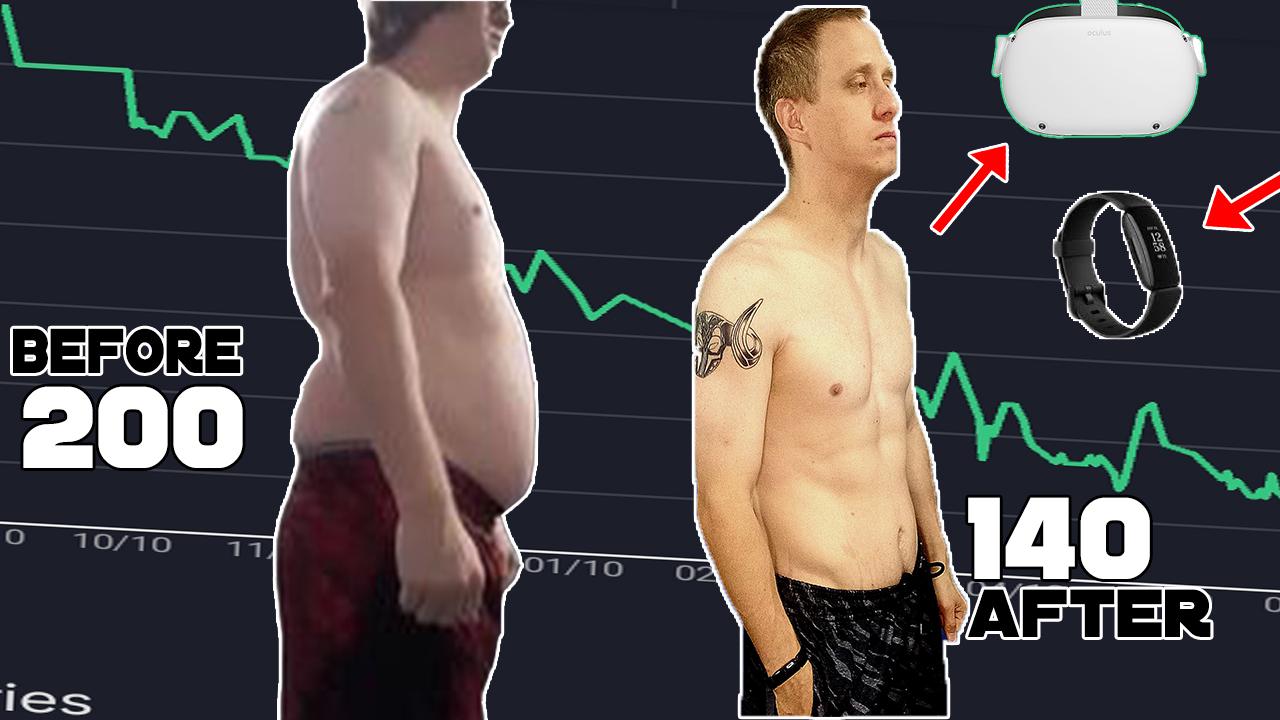
The data is encouraging, but what about real-world results? Many individuals are experiencing significant weight loss and improved fitness through VR programs. I wanted to highlight a few stories to illustrate the potential.
Dr. Tine G, in her YouTube video "9 Lessons About VR Fitness That Helped Me Lose Weight After 40" (uploaded February 17, 2026), shares her personal journey with VR fitness. She lost over 20 pounds and significantly improved her overall health by incorporating VR workouts into her routine. She emphasizes the importance of finding a program you enjoy and setting realistic goals. Her experience highlights the power of VR to make exercise more accessible and engaging.
Sarah M., a 42-year-old office worker, lost 35 pounds using FitXR. She struggled with motivation at the gym, but found the immersive nature of VR kept her engaged. She particularly appreciated the social aspect of the program, working out with friends to stay accountable. She now exercises 4-5 times a week.
Mark L., a 55-year-old retiree, used Supernatural to manage his weight and improve his cardiovascular health. He had previously struggled with joint pain, but found that the low-impact nature of VR workouts allowed him to exercise without discomfort. He lost 25 pounds and reported a significant increase in his energy levels.
Overcoming VR Fitness Barriers
VR fitness isn’t without its challenges. It’s important to be aware of these potential barriers and how to overcome them. Motion sickness is a common concern, especially for beginners. Start with shorter sessions and gradually increase the duration as you get more comfortable. Experiment with different programs and settings to find what works best for you.
The cost of equipment can also be a barrier. A Meta Quest 3 headset, which is compatible with most VR fitness programs, costs around $500. However, the price of headsets is steadily decreasing, and there are often sales and promotions available. Consider the long-term investment in your health when evaluating the cost.
Space requirements can be another issue. Most VR fitness programs require a relatively clear space of at least 6x6 feet. If you’re limited on space, look for programs that offer seated or stationary workouts. The learning curve can also be steep for some users. Take the time to familiarize yourself with the equipment and software, and don’t be afraid to ask for help.
I'll be honest – VR isn't for everyone, and it's important to acknowledge the potential downsides. Some people simply don't enjoy the experience, and that's perfectly okay. It's crucial to find a form of exercise that you genuinely enjoy and can stick with long-term.
Future Trends: AI & Immersive Fitness
The future of AI-powered VR fitness is incredibly exciting. We’re only scratching the surface of what’s possible. One emerging trend is the development of haptic feedback suits, which provide realistic tactile sensations. Imagine feeling the impact of a punch in a boxing game or the resistance of a weightlifting exercise.
Brain-computer interfaces (BCIs) are another area of active research. These technologies could allow you to control VR workouts with your mind, potentially unlocking new levels of immersion and personalization. While still in its early stages, BCI technology has the potential to revolutionize the way we interact with virtual environments.
We can also expect to see more realistic virtual environments, powered by advances in graphics and rendering technology. Imagine working out on a virtual beach or exploring a stunning mountain landscape. The more immersive the experience, the more motivated you’ll be to stay active.
I'm not going to make wild predictions, but I believe these technologies will continue to converge, creating increasingly effective and engaging VR fitness experiences. The goal is to blur the line between the physical and virtual worlds, making exercise more fun, accessible, and personalized.
Is VR Weight Loss Right for You?
So, is VR weight loss right for you? It depends on your individual preferences, goals, and lifestyle. If you’re looking for a fun, engaging, and personalized way to get fit, VR is definitely worth considering. The immersive nature of VR can make exercise more enjoyable, and the AI-powered features can help you stay motivated and on track.
However, VR isn’t a magic bullet. It requires commitment, and it’s not a substitute for a healthy diet and consistent exercise. If you’re prone to motion sickness, you may need to start slowly and experiment with different programs to find what works best for you. The initial cost of equipment can also be a barrier.
To get started, I recommend researching different VR headsets and fitness programs. Read reviews, watch videos, and try out demos if possible. Start with a program that aligns with your interests and fitness level. Set realistic goals and be patient with yourself. Remember, consistency is key.
Ultimately, the best way to determine if VR weight loss is right for you is to try it out. It’s a potentially powerful tool, but it’s not for everyone. If you’re willing to embrace the technology and put in the effort, you may be surprised by the results.

No comments yet. Be the first to share your thoughts!