
Moving with Ease: VR for Senior Wellness
Virtual reality fitness offers seniors a safe and engaging way to stay active. While technology can seem daunting and physical limitations are a concern, VR provides a unique opportunity to exercise in a controlled environment, often from home.
Beyond physical health, VR fitness improves balance, crucial for preventing falls. It also boosts cognitive function. A systematic review on pmc.ncbi.nlm.nih.gov shows VR exercise positively impacts cognition in older adults, including those with mild cognitive decline.
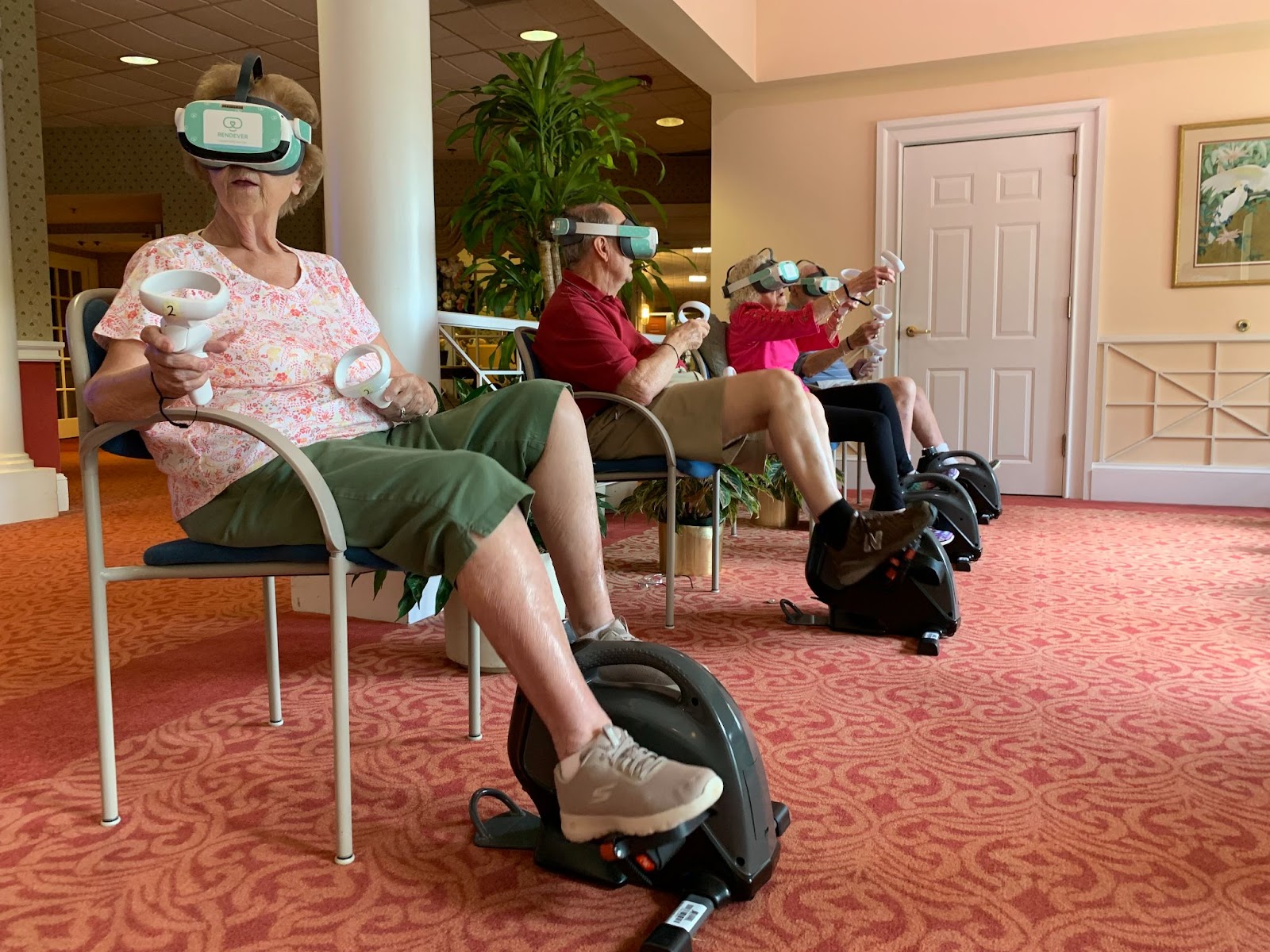
VR's appeal lies in its accessibility. Experiences adapt to various fitness levels and physical abilities. Those with limited mobility can do seated exercises, while more active individuals can try challenging activities. VR's immersion makes exercise feel like play, not work.
VR also combats social isolation by connecting seniors in virtual fitness classes or shared spaces, keeping them active, engaged, and connected.
Understanding the Safety Landscape
VR has risks for seniors, including motion sickness, falls from compromised balance, eye strain, and disorientation. Awareness of these possibilities is important.
These risks can be minimized with careful planning. Start with short sessions (10-15 minutes), preferably supervised if new to VR. Begin with seated or low-impact experiences, gradually increasing intensity.
Proper setup includes a clear, obstacle-free space and good lighting to reduce disorientation. Take frequent breaks and stop immediately if you feel discomfort. Consult your doctor before starting any new exercise program, including VR fitness.
VR is a complementary tool to enhance well-being, not a replacement for traditional physical therapy or medical advice.
- Start with short, supervised sessions.
- Choose seated or low-impact experiences.
- Take frequent breaks.
- Ensure a clear, obstacle-free space.
- Consult your doctor before starting.
Low-Impact VR Workouts: A Spectrum
VR fitness offers a wide variety of exercises, from gentle seated movements to more active standing activities, catering to individual needs and abilities at any fitness level.
Seated exercises like arm raises, gentle stretching, or virtual painting improve range of motion and circulation without stressing joints. Standing, stationary activities such as virtual gardening or bowling offer more engagement while minimizing fall risk.
For those who are able, slow-paced walking or movement games can provide a more substantial workout. Many VR apps incorporate walking in place or gentle stepping motions. Remember, the goal isn’t to push yourself to the limit, but to stay active and engaged in a safe and enjoyable way.
It’s crucial to listen to your body and stop if you feel any pain or discomfort. VR fitness should be a positive experience, not a source of stress or injury. Remember to consult with your doctor before starting any new exercise program, and consider working with a physical therapist to develop a personalized VR fitness plan.
Games That Get You Moving
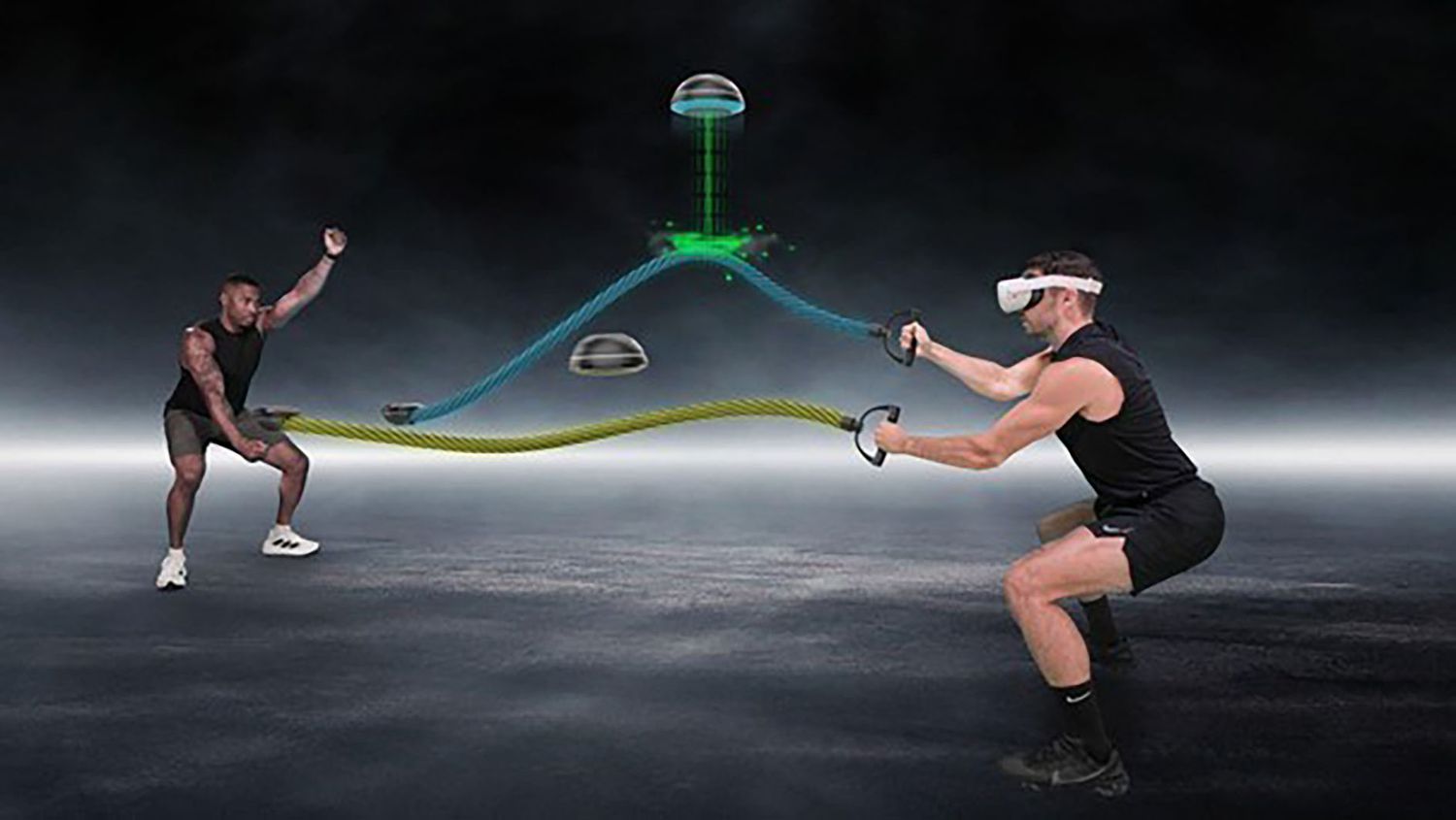
Beyond general exercise programs, a number of VR games are surprisingly effective workouts. OhShape is a rhythm-based game that requires you to move your body to fit through shapes – it’s a fun way to improve coordination and reaction time. Beat Saber, while known for its energetic gameplay, can be modified with slower songs and easier difficulty levels to make it accessible for seniors.
Supernatural offers guided fitness classes led by virtual instructors. It’s a more structured workout experience, but it's also adaptable to different fitness levels. VR bowling and golf are also popular options, providing a low-impact way to stay active and engaged. These games are often surprisingly good for balance and coordination.
Dr. Tine G, in her YouTube video “5 Anti-Aging Exercises in VR You NEED to Try!” (uploaded May 15, 2025), highlights the benefits of VR for improving agility and overall fitness. She emphasizes the importance of finding activities you enjoy to maintain consistency. Her video is a great resource for exploring different VR exercise options.
However, each game has its pros and cons. Beat Saber requires quick reflexes, which might be challenging for some. Supernatural requires a subscription. OhShape can be disorienting for those prone to motion sickness. It’s important to try a few different options to find what works best for you, considering factors like ease of use, customization options, and social features.
- OhShape: Rhythm-based movement, improves coordination.
- Beat Saber: Adaptable difficulty, good for reflexes (with modifications).
- Supernatural: Guided fitness classes, requires subscription.
- VR Bowling/Golf: Low-impact, improves balance.
VR Fitness Games for Seniors - 2026 Comparison
| Game Title | Intensity Level | Cognitive Challenge | Social Features | Ease of Use | Cost |
|---|---|---|---|---|---|
| Beat Saber | Medium | Medium | Yes | Moderate | One-Time Purchase |
| Supernatural | Medium | Medium | Yes | Moderate | Subscription |
| FitXR | Low to Medium | Low to Medium | Yes | Easy | Subscription |
| OhShape | Medium | High | No | Moderate | One-Time Purchase |
| Les Mills Bodycombat | High | Medium | Yes | Moderate | Subscription |
| Active Arcade | Low to Medium | Low | Yes | Easy | Subscription |
| VR Climb | Medium | Medium | No | Moderate | One-Time Purchase |
Illustrative comparison based on the article research brief. Verify current pricing, limits, and product details in the official docs before relying on it.
Boosting Brain Health Through VR
VR fitness benefits extend beyond the physical. Research from pmc.ncbi.nlm.nih.gov shows VR positively impacts cognitive function in older adults. Its immersive nature challenges the brain, potentially improving spatial awareness, memory, and reaction time.
Navigating and interacting with virtual objects in VR environments strengthens neural pathways and improves cognitive flexibility. Visual and auditory stimulation enhances attention and focus. These cognitive benefits are important for maintaining independence and quality of life as we age.
Growing evidence suggests VR may help manage or slow mild cognitive decline. Its engaging and interactive nature provides a cognitive workout, keeping the brain sharp and active. Initial findings are promising.
The combination of physical exercise and cognitive stimulation makes VR a powerful tool for senior wellness, keeping both body and mind active and engaged.
Setting Up Your VR Space
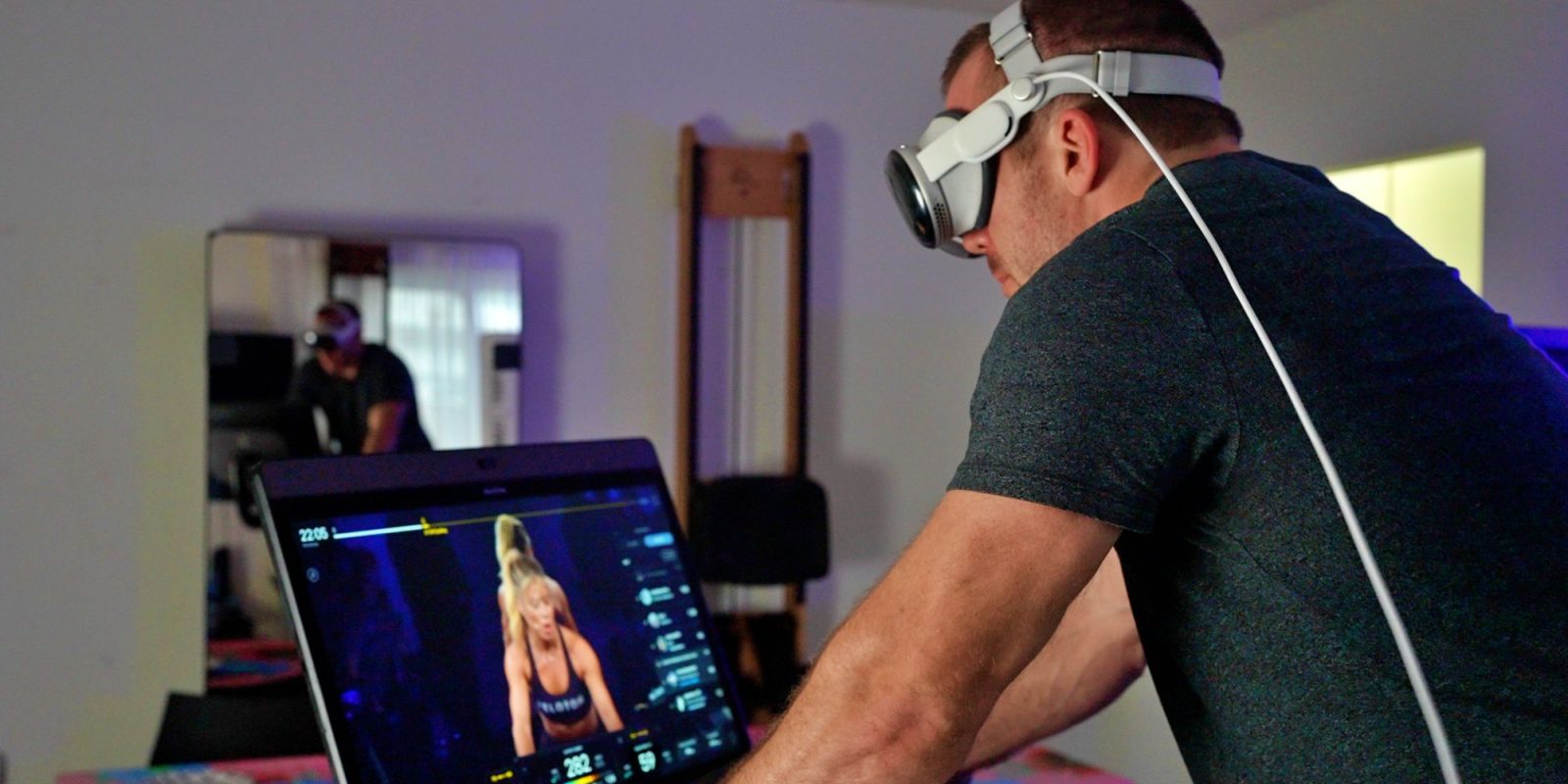
Setting up a safe VR fitness space requires choosing a headset. Standalone headsets, like the Meta Quest 3, are easier to set up than PC-VR headsets, which offer higher fidelity graphics but need a powerful computer and more complex setup.
Next, ensure you have adequate room space. Clear a minimum of 6 feet by 6 feet, and remove any obstacles that could cause you to trip or fall. Good lighting is also important, as it can help reduce disorientation. Set up safety boundaries within the VR environment to prevent you from accidentally walking into walls or furniture.
Comfortable footwear and loose-fitting clothing are also crucial. Wear shoes that provide good support and traction, and avoid clothing that restricts your movement. Basic troubleshooting knowledge can be helpful – knowing how to adjust the headset for a clear view and how to reconnect controllers can save you frustration.
Finally, familiarize yourself with the headset’s safety features and settings. Most headsets allow you to customize the field of view and adjust the interpupillary distance (IPD) for optimal comfort and clarity. A little preparation can go a long way in ensuring a safe and enjoyable VR fitness experience.
- Choose the right headset (standalone vs. PC-VR).
- Ensure adequate room space (6x6 feet minimum).
- Optimize lighting.
- Set up safety boundaries.
- Wear comfortable footwear and loose clothing.
Community and Connection in the Metaverse
VR fitness isn’t just about individual workouts; it’s also about community and connection. The metaverse offers a unique opportunity for seniors to connect with friends and family, participate in group fitness classes, and combat social isolation. This is, in my opinion, one of the most significant benefits of VR for older adults.
Many VR platforms, such as VRChat and Horizon Worlds, have dedicated communities and social spaces where you can meet and interact with other users. You can join virtual fitness classes, participate in group activities, or simply chat with others who share your interests. These social interactions can help reduce feelings of loneliness and improve overall well-being.
Some VR fitness apps, like FitXR, specifically focus on social fitness, allowing you to work out with friends or join virtual fitness studios. This adds a layer of motivation and accountability to your workouts, making them more enjoyable and effective. The ability to see and interact with others in a virtual environment can make exercise feel less isolating and more engaging.
It’s a fantastic way to stay connected with loved ones who may live far away, and it opens up new opportunities for social interaction and engagement. VR truly has the potential to transform the way seniors approach fitness and social connection.
- VR platforms like VRChat and Horizon Worlds offer social spaces.
- FitXR focuses on social fitness with virtual classes.
- Connect with friends and family remotely.
- Combat social isolation and loneliness.
No comments yet. Be the first to share your thoughts!