
Set up your VR fitness space
Before you start swinging your arms or jumping, you need to define a safe physical perimeter. VR fitness 2026 relies on immersion, but that immersion disappears instantly if you collide with a wall or a coffee table. Setting up your Guardian or Chaperone boundary correctly is the single most important step for preventing injury during high-intensity workouts.
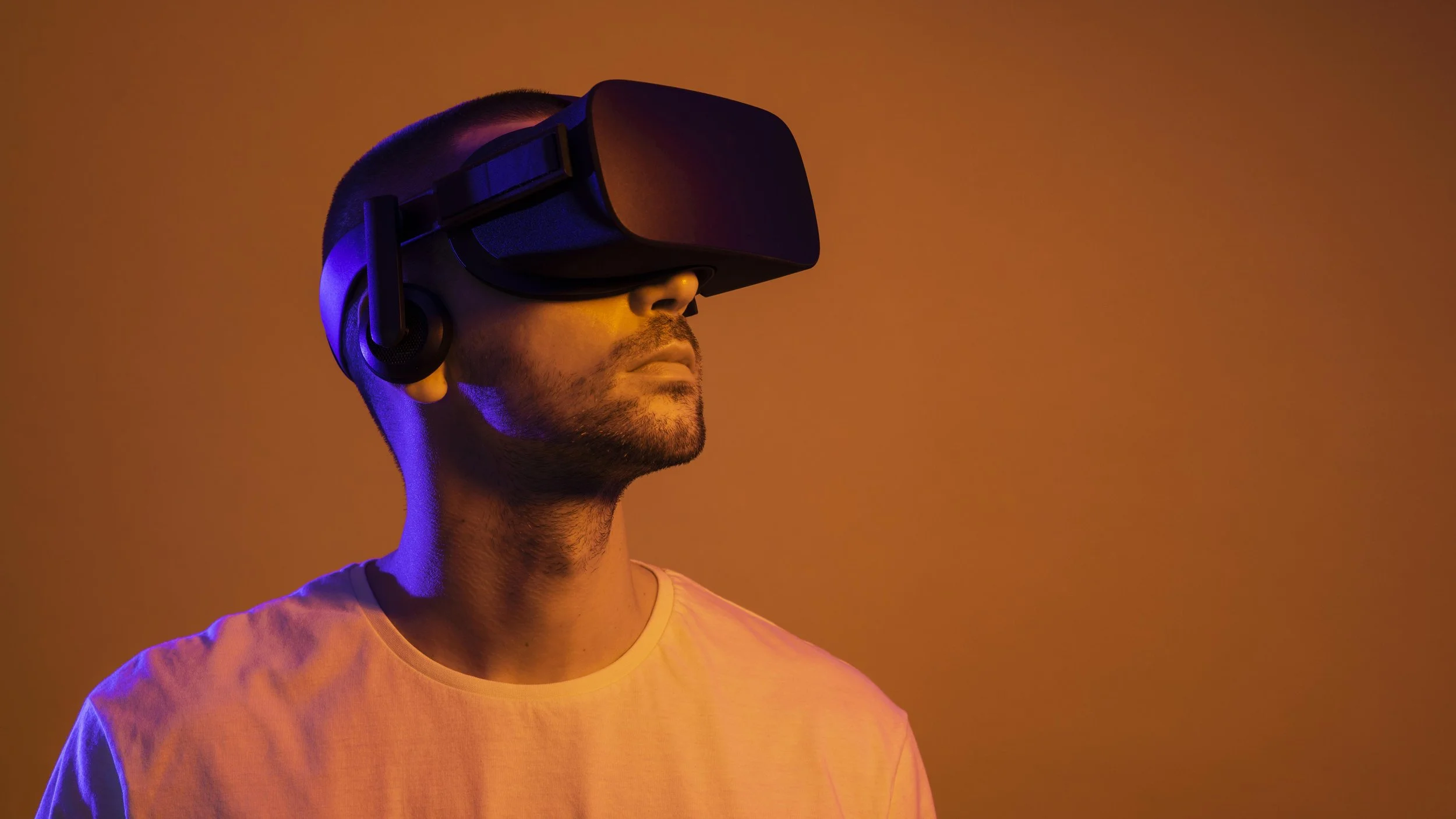
Remove all furniture, rugs with thick edges, and electrical cords from a square area measuring at least 2x2 meters. Stand in the center of this cleared space. This empty volume is your only safety net; anything outside it is a hazard.
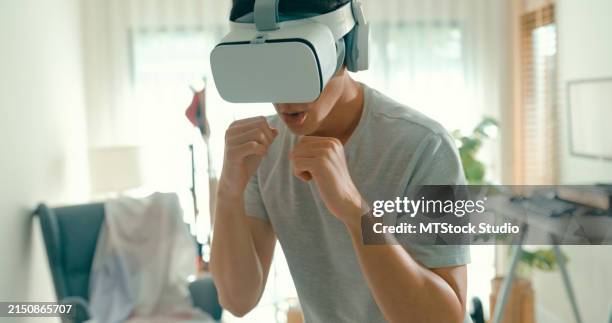
Put on your headset and follow the on-screen prompts to draw your play area. For most VR fitness apps, a 2x2 meter square is the sweet spot between safety and usable movement. Ensure the virtual grid aligns perfectly with your physical floor edges.
Place your charging cable or base station within arm's reach of your play area, but not inside it. A loose cable is a tripping hazard that can pull the headset off your face or damage the hardware. Secure the cable along the wall or under furniture edges using tape.
Once your boundary is set, perform a quick "safe swing" test. Stand in the center and swing your arms in a full circle. If you can move freely without hitting any virtual or physical barriers, your space is ready for intense VR fitness 2026 routines.
Choose apps for cardio and strength
Selecting the right software for your VR fitness 2026 goals requires matching the app's mechanics to your specific physiological needs. The market has shifted significantly with the discontinuation of Supernatural, leaving a gap in premium, guided cardio content. You now need to decide whether to prioritize high-intensity interval training for weight loss or structured resistance training for muscle retention.
Cardio: High-Intensity and Rhythm
For weight loss and cardiovascular endurance, rhythm games and boxing apps offer the most consistent heart rate elevation. FitXR remains the strongest direct replacement for the Supernatural experience, offering instructor-led HIIT and boxing classes in a social studio environment. Its subscription model provides a large library of new content weekly, which helps maintain long-term adherence.
If you prefer solo workouts, Beat Saber continues to be the gold standard for calorie burning. Its adaptive difficulty ensures that you stay in the target heart rate zone without needing to manually adjust resistance. For pure boxing intensity, Thrill of the Fight 2 offers a more realistic, sweat-inducing experience, though it lacks the guided structure of FitXR.
Strength: Resistance and Gamification
Building muscle in VR requires overcoming the limitation of light controllers. Black Box VR addresses this by using the headset's tracking to measure rep counts and intensity, effectively turning your body weight and arm movements into a strength training session. It functions as a personal trainer, adapting the workout based on your performance data. This is the closest current option to traditional weightlifting for upper body strength.
For lower body and full-body strength, consider apps like Les Mills Bodycombat or Holofit. Les Mills provides structured, group-style strength and conditioning classes that feel less like a game and more like a gym session. Holofit allows you to ride stationary bikes or use rowing machines while immersed in VR, combining physical resistance with visual engagement.
Comparison of Top Options
The following table compares the leading VR fitness apps based on cost, primary workout type, and intensity level. Use this to narrow down your choice before committing to a subscription.
| App | Cost | Workout Type | Intensity |
|---|---|---|---|
| FitXR | ~$15/mo | HIIT, Boxing | High |
| Beat Saber | ~$30 one-time | Rhythm, Cardio | Medium-High |
| Black Box VR | ~$10/mo | Strength, Resistance | Medium |
| Thrill of the Fight 2 | ~$20 one-time | Boxing | Very High |
| Les Mills Bodycombat | ~$10/mo | Combat, Strength | High |
Making the Final Decision
Start with a free trial or a one-time purchase if you are unsure about your commitment. Beat Saber and Thrill of the Fight 2 offer lower financial risk than monthly subscriptions. If you find yourself needing more structure and variety, transition to FitXR for cardio days and supplement with Black Box VR for strength sessions. This combination covers the full spectrum of VR fitness 2026 requirements.
Structure your weekly VR schedule
Building a sustainable VR fitness 2026 routine requires balancing high-intensity sessions with adequate recovery. Unlike traditional gym workouts, VR demands significant cognitive load and upper-body engagement, making recovery just as important as the exercise itself. A structured weekly plan prevents burnout and ensures consistent progress without overtraining.
The 4-Day VR Cycle
A four-day split allows for intense cardio and strength sessions while giving your muscles and joints time to adapt. This approach works well for most fitness levels, providing enough volume to drive weight loss and muscle adaptation.

Spend 30-45 minutes on rhythm-based games like Beat Saber or FitXR. These activities elevate your heart rate quickly and provide a full-body warm-up. Focus on maintaining form rather than speed to avoid injury.
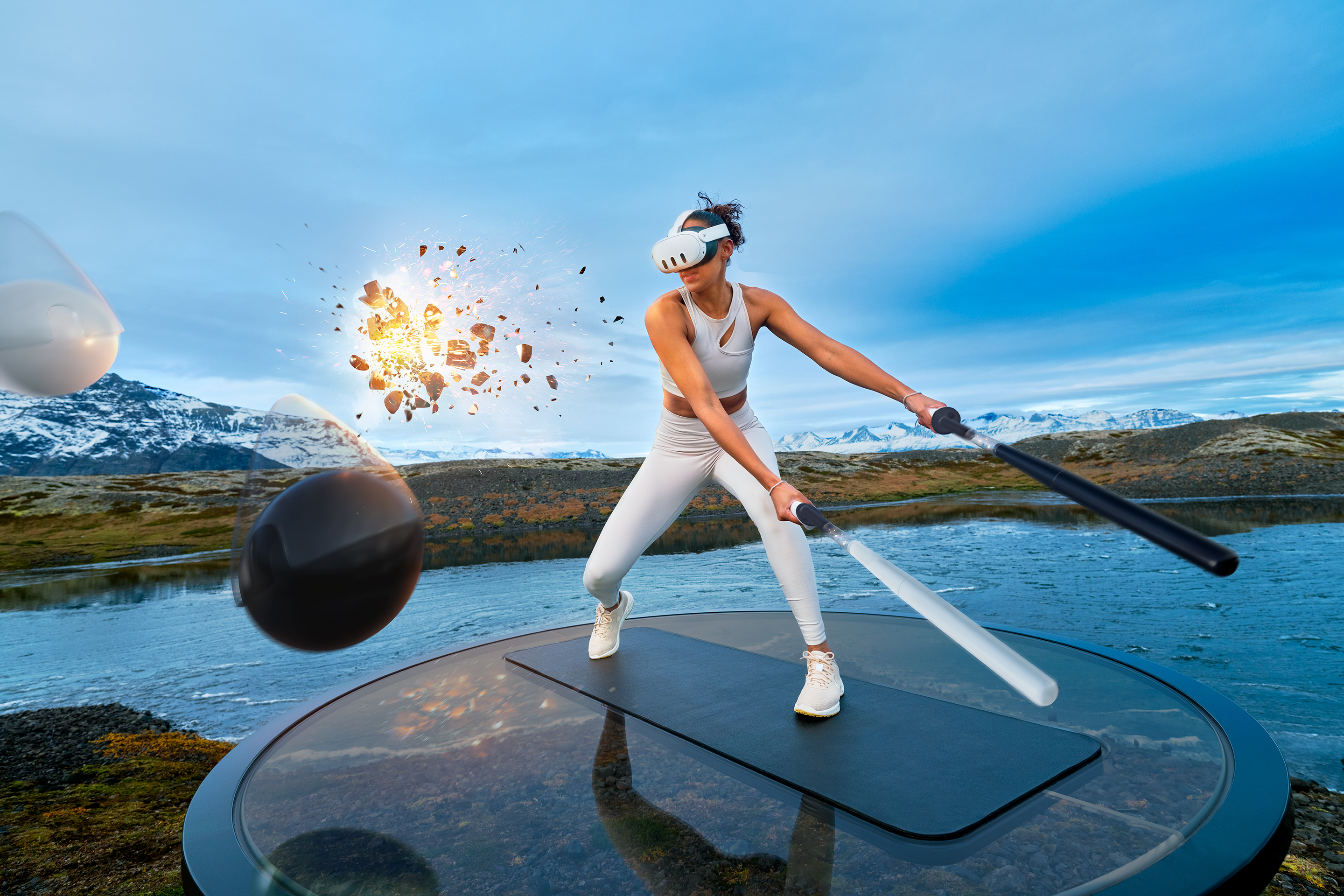
Take a break from high-impact VR. Instead, engage in light stretching, yoga, or a 20-minute walk. This helps reduce muscle soreness and prepares your body for the next intense session.
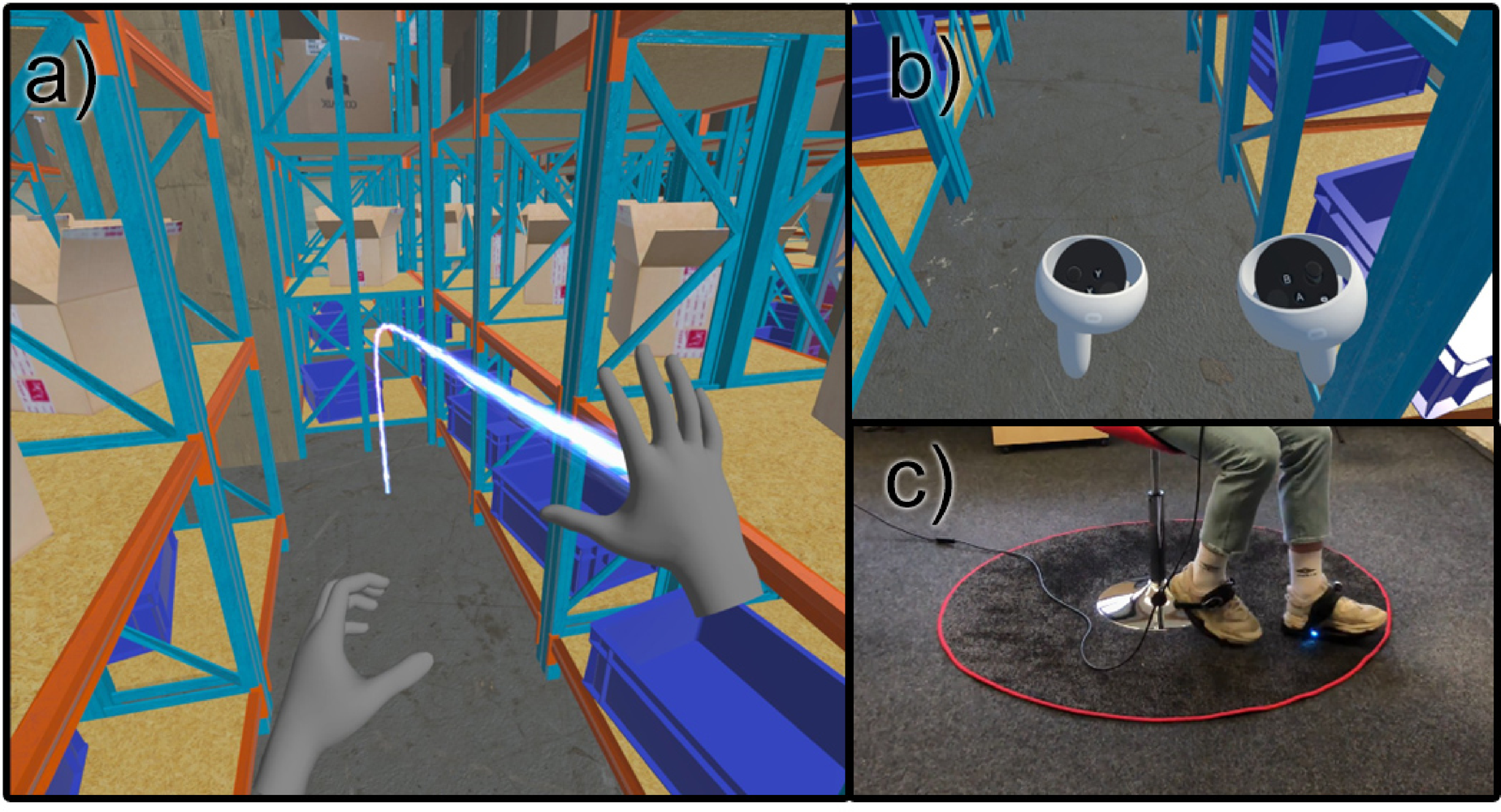
Use VR strength training apps or resistance bands with your headset. Focus on squats, lunges, and upper-body pulls. Keep sessions to 30 minutes to maintain intensity without exhausting your central nervous system.
Complete rest is ideal. If you feel the need to move, try low-impact activities like swimming or casual walking. This day is crucial for muscle repair and long-term sustainability.
Tracking Consistency
Consistency is the primary driver of results in VR fitness 2026. Use a simple checklist to track your weekly adherence. This visual reminder helps maintain motivation and ensures you don't skip recovery days, which are often overlooked but essential for progress.
-
Track 4 VR sessions per week
-
Log 2 active recovery days
-
Monitor sleep quality
-
Adjust intensity based on fatigue
Adjusting for Progress
As your fitness improves, you may need to increase the intensity or duration of your VR sessions. Gradually add 5-10 minutes to your cardio days or increase the resistance in strength training. Listen to your body and adjust accordingly to avoid overtraining.
Avoid common VR fitness mistakes
VR fitness 2026 offers immersive workouts, but the virtual environment hides real-world risks. Skipping basic safety checks or ignoring your body’s signals can turn a fun session into an injury. Address these three critical areas to stay safe and consistent.
Clear your play space
The most immediate danger in VR is physical collision. Headsets track your head and hands, but they cannot see the coffee table behind you or the wall to your left. Before starting, move all furniture, rugs, and obstacles out of a clear radius. Use the official Guardian or Boundary system to define your safe zone. Never ignore the boundary beep.
Watch your form
It is easy to let your posture slide when you are focused on the game. Slouching or twisting awkwardly to hit virtual targets strains your neck and lower back. Keep your core engaged and your knees slightly bent during high-intensity intervals. If you feel pain, stop immediately. Proper form prevents the chronic aches that often derail new VR athletes.
Manage hydration and motion
VR workouts can be surprisingly intense, leading to heavy sweating and dehydration. Keep a towel and water bottle within arm’s reach. Sip regularly, even if you do not feel thirsty. Additionally, if you experience nausea, lower the movement speed in settings or take breaks every 15 minutes. Motion sickness is a sign to slow down, not push through.
Clear a 6x6 foot area. Remove rugs and furniture. Set up your Guardian boundary.
Place a towel and water bottle nearby. Use a sweat-wicking headband if needed.
Keep your core tight. Stop if you feel pain. Take breaks for nausea.
Track progress outside the headset
VR fitness 2026 routines can feel intense while you’re swinging at virtual opponents, but the headset hides the full picture. To verify that your sessions are actually contributing to weight loss and muscle gain, you need to verify the output with external metrics. Relying solely on the game’s internal score or heart rate monitor is often insufficient, as those devices can drift or fail to capture non-exercise activity thermogenesis (NEAT).
Start by tracking your heart rate with a chest strap or high-quality wrist monitor. Research indicates that maintaining a target heart rate zone is the most reliable predictor of caloric expenditure during high-intensity interval training (HIIT) styles common in VR boxing or dancing. Compare your average HR during a 30-minute session against standard metabolic equivalents (METs) for similar real-world activities to estimate burn more accurately.
Next, log your strength progression. VR games like Supernatural or FitXR may track reps, but they rarely track progressive overload—the primary driver of muscle gain. Use a simple notebook or app to record the resistance levels or intensity settings you use each week. If you aren’t increasing the difficulty or duration over time, your body has no stimulus to adapt.
Finally, monitor body composition changes, not just weight. Muscle is denser than fat, so the scale might remain static even as you lose inches. Take weekly photos and measurements. This external data provides the objective proof that your virtual sweat is translating into real-world results.
Frequently asked questions about VR fitness 2026
Here are answers to common questions about building a VR fitness routine, including updates on popular apps and hardware needs.
No comments yet. Be the first to share your thoughts!