

Get virtual reality fitness right
Start with the constraint that matters most in real life: space, timing, budget, skill level, maintenance, or availability. That first constraint should shape the rest of the plan instead of appearing as an afterthought.
Keep the first pass simple enough to verify. Compare the main options against the same criteria, remove choices that only work in ideal conditions, and save optional upgrades for later.
Work through the steps
The VR Fitness Revolution works best as a clear sequence: define the constraint, compare the realistic options, test the tradeoff, and choose the path with the fewest hidden costs. That order keeps the advice usable instead of decorative.
After each step, pause long enough to check whether the recommendation still fits the reader's actual situation. If it depends on perfect timing, unusual access, or a best-case budget, include a simpler fallback.
Fix common mistakes
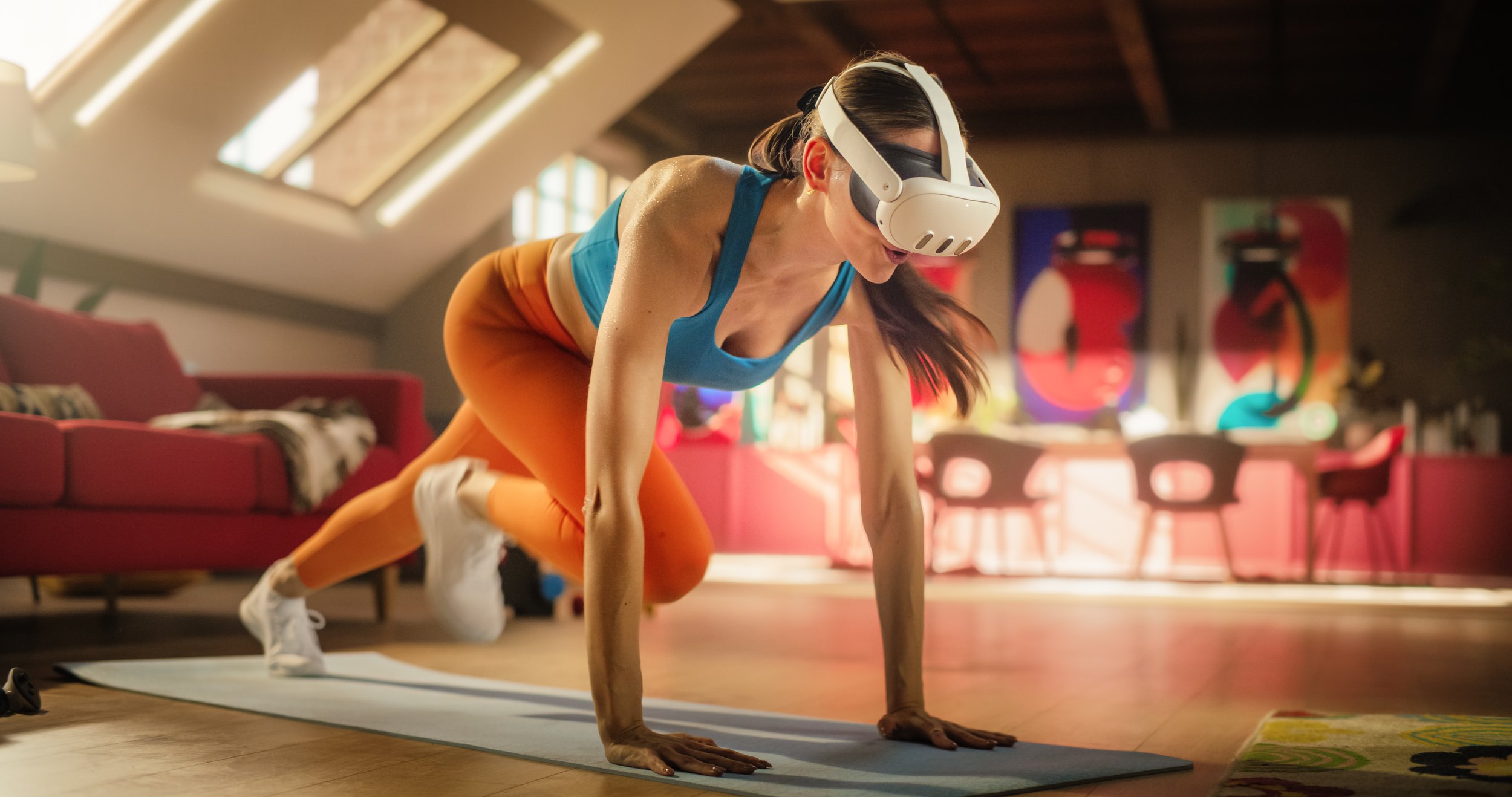
VR fitness delivers results only when you respect the physical limits of your space and body. The headset tracks your movement in three dimensions; step outside that zone and the experience breaks down. Missteps here lead to poor tracking, injury, or abandoned workouts. Fix these errors early to keep your progress on track.
Skip the warmup
Jumping straight into high-intensity VR workouts without warming up strains muscles that aren't ready. VR games often demand sudden lunges, squats, or punches that can tear soft tissue if your joints are cold. Spend five minutes doing dynamic stretches or light cardio before putting on the headset. This simple step prevents injuries and improves your range of motion, allowing you to hit harder targets in games like Beat Saber or Les Mills Bodycombat without discomfort.
Ignore your play space
A cluttered room is the fastest way to break a controller or crack a screen. VR requires a clear, flat area with no tripping hazards. Remove furniture, rugs with curled edges, and pets from your path. Use boundary systems to mark safe zones, but don't rely on them entirely—your peripheral vision still needs room to react. Clearing the space ensures you can move freely without stopping to dodge obstacles, keeping your heart rate steady and your workout effective.
Neglect hygiene
Sweat damages VR headsets and spreads bacteria. The foam face cover absorbs moisture quickly, creating a breeding ground for bacteria if left damp. Wipe the headset lens and body with a microfiber cloth after every session. Use washable face covers or disposable liners to keep skin contact clean. Proper hygiene extends the life of your hardware and prevents skin irritation, making your fitness routine sustainable over months, not just days.
Underestimate intensity
Many users treat VR gaming like casual entertainment, moving slowly and stopping often. This approach burns few calories and builds little muscle. To maximize weight loss and muscle building, treat each session like a real workout. Maintain continuous movement, push through the final rep, and track your heart rate. Games like Supernatural and Black Box VR offer intensity levels that mimic HIIT training. Consistency at this level is what transforms virtual effort into real-world results.
Virtual reality fitness: what to check next
Before committing to a VR fitness routine, it helps to separate hype from physiology. Virtual reality workouts can deliver genuine cardiovascular and muscular benefits, but they require specific hardware and realistic expectations regarding calorie tracking.
No comments yet. Be the first to share your thoughts!