
VR Fitness in 2024: The Complete Guide to Virtual Reality Workouts That Actually Work
Part 1: The VR Fitness Revolution - Understanding the Technology and Market
Virtual reality fitness has evolved from a futuristic concept to a mainstream fitness solution that's reshaping how we approach exercise. With an estimated 1 to 2 million individuals engaging in VR workouts monthly as of 2024, this technology has proven its staying power beyond the initial novelty phase.
The VR fitness market is experiencing unprecedented growth, expanding from $12.16 billion in 2023 to a projected $13.08 billion in 2024, representing a robust compound annual growth rate (CAGR) of 7.6%. This expansion is driven by several key factors: increased accessibility of VR technology, growing demand for immersive workout experiences, and the rising popularity of gamified fitness solutions that make exercise more engaging and sustainable.
What Makes VR Fitness Different from Traditional Exercise
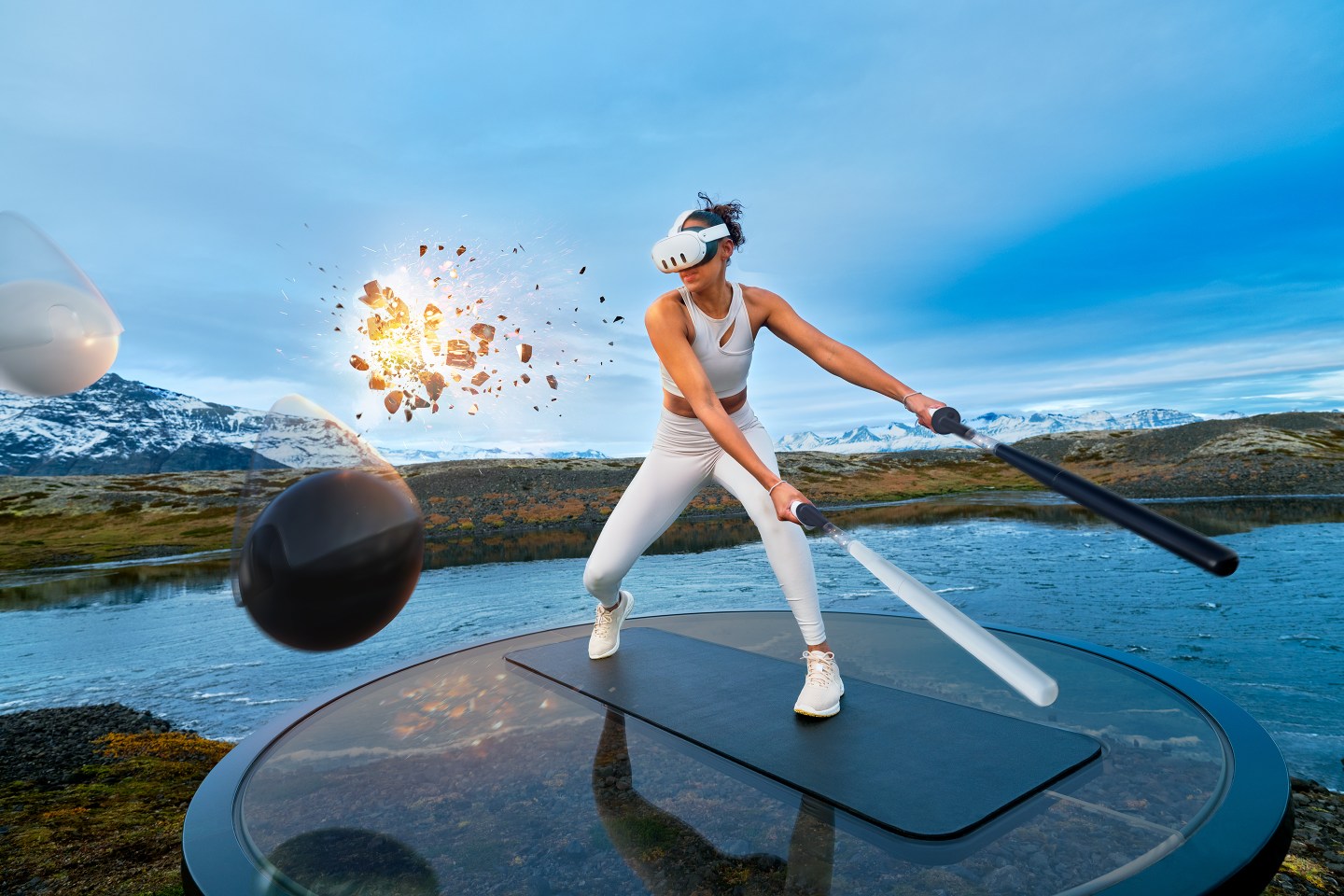
Virtual reality workouts fundamentally differ from conventional fitness routines by creating immersive environments that distract from physical exertion while maintaining high-intensity movement. Unlike traditional gym equipment or home workout videos, VR fitness transports users to fantastical worlds where they slash through musical beats, box against virtual opponents, or dance in cosmic landscapes.
The psychological impact of this immersion cannot be overstated. Research indicates that VR fitness participants often exercise longer and with greater intensity compared to traditional workouts because the gamification elements trigger reward pathways in the brain. Users report feeling less fatigued during VR sessions despite burning comparable or higher calories than conventional exercise methods.
The Technology Behind Effective VR Workouts
Modern VR fitness relies on sophisticated motion tracking technology that captures full-body movement with remarkable precision. Head-mounted displays (HMDs) like the Meta Quest 3, PlayStation VR2, and HTC Vive Pro track head position and orientation, while hand controllers monitor arm and hand movements. Advanced systems incorporate additional sensors for leg and torso tracking, creating comprehensive movement analysis.
The effectiveness of VR fitness stems from its ability to provide real-time feedback on form, intensity, and performance metrics. Many applications display calorie burn, heart rate zones, and movement accuracy, allowing users to optimize their workouts progressively. This data-driven approach mirrors professional fitness coaching while maintaining the entertainment value that keeps users engaged.
Leading VR Fitness Platforms Dominating 2024
The VR fitness landscape is dominated by several key players, each offering unique approaches to virtual exercise. Supernatural, acquired by Meta in February 2023 for $430 million, leads the market with its rhythm-based full-body workouts set in breathtaking locations worldwide. The acquisition demonstrates Meta's commitment to positioning VR fitness as a cornerstone of their metaverse strategy.
Beat Saber continues to reign as the most accessible entry point for VR fitness, combining music rhythm gameplay with intense arm and core workouts. FitXR offers boxing, dancing, and HIIT workouts with multiplayer capabilities, while Thrill of the Fight provides realistic boxing simulation that delivers professional-level cardio training.
VR and Tech Giants Stock Performance Comparison
Key players in virtual reality fitness and technology ecosystem - December 2024
| Asset | Current Price | 24h | 7d | 30d | Market Cap |
|---|---|---|---|---|---|
| Meta Platforms Inc META | $542.81 | +1.2% | +3.8% | +8.7% | $1.38T |
| Apple Inc AAPL | $229.87 | -0.4% | +2.1% | +4.3% | $3.48T |
| Alphabet Inc GOOGL | $175.23 | +0.8% | +1.9% | +6.2% | $2.16T |
| Microsoft Corporation MSFT | $415.49 | +0.6% | +2.7% | +5.1% | $3.09T |
| Sony Group Corporation SONY | $18.42 | -0.9% | -1.3% | +2.8% | $109.7B |
| NVIDIA Corporation NVDA | $138.07 | +2.1% | +4.5% | +9.8% | $3.39T |
Analysis Summary
Meta leads VR fitness innovation with Quest headsets, while Apple's Vision Pro targets premium mixed reality. NVIDIA provides essential GPU technology powering VR experiences across platforms.
Key Insights
- Meta shows strongest momentum with +8.7% monthly gains, directly benefiting from VR fitness market growth projected to reach $13.08B in 2024
- Apple and Microsoft maintain premium valuations above $3T market cap, positioning for future AR/VR fitness integration
- Sony's PlayStation VR ecosystem provides established gaming infrastructure for fitness applications, though stock shows modest performance
- NVIDIA's AI and graphics processing capabilities are fundamental to VR fitness platforms, reflected in strong +9.8% monthly performance
Prices reflect recent market data as of December 2024. Performance metrics calculated from major exchange closing prices with standard market cap calculations.
Disclaimer: Stock prices are highly volatile and subject to market fluctuations. Data is for informational purposes only and should not be considered investment advice. Always do your own research before making investment decisions.
Scientific Validation of VR Fitness Effectiveness
Recent studies have validated VR fitness as a legitimate exercise modality. Research published in the Journal of Medical Internet Research found that VR workouts can burn between 200-400 calories per 30-minute session, comparable to moderate-intensity traditional exercises like cycling or swimming.
The American Council on Exercise (ACE) conducted comprehensive testing of popular VR fitness games, measuring heart rate, oxygen consumption, and perceived exertion. Results showed that games like Beat Saber and Supernatural consistently elevated participants' heart rates into target training zones, with some sessions reaching vigorous-intensity levels.
Additionally, VR fitness demonstrates superior adherence rates compared to traditional exercise programs. The immersive nature and gamification elements help users maintain consistent workout schedules, with many reporting they look forward to their VR sessions rather than viewing exercise as a chore.
Find Your Perfect VR Fitness Match: Assessment Quiz
Virtual reality fitness has transformed from a futuristic concept into a mainstream workout solution, with 1-2 million people engaging in VR workouts monthly in 2024. This quiz will help you discover which VR fitness approach aligns best with your goals, preferences, and lifestyle. Answer honestly to get personalized recommendations for your virtual reality fitness journey.
As we move deeper into 2024, VR fitness continues to evolve with improved graphics, more sophisticated tracking, and expanding content libraries. The technology has matured beyond early adoption phases, offering reliable, effective, and enjoyable workout experiences that rival traditional fitness methods while providing unique advantages in engagement and accessibility.
Part 2: Essential VR Fitness Equipment and Setup Guide
Creating an effective VR fitness environment requires careful consideration of equipment, space, and safety protocols. This comprehensive guide will help you establish a virtual reality workout setup that maximizes results while minimizing risks.
VR Headset Comparison for Fitness Applications
Selecting the right VR headset is crucial for your fitness journey. Different headsets offer varying levels of comfort, tracking accuracy, and game compatibility. The weight distribution, breathability, and sweat resistance of your headset will significantly impact your workout experience, especially during high-intensity sessions that can last 30-60 minutes.
When evaluating headsets for fitness use, prioritize models with adjustable head straps, replaceable face cushions, and active cooling systems. The Meta Quest 3, for instance, offers improved ventilation compared to its predecessors, while the PICO 4 Enterprise provides enterprise-grade hygiene features ideal for shared fitness spaces.
Essential Accessories and Space Requirements
Beyond the headset, several accessories can enhance your VR fitness experience. Weighted vests add resistance training elements to rhythm games, while haptic feedback suits provide immersive sensations during combat simulations. However, the most critical component is your play space setup.
Your VR fitness area should measure at least 6.5 by 6.5 feet for room-scale experiences, though 8 by 8 feet provides optimal freedom of movement. Ceiling height should exceed 8 feet to accommodate overhead movements during boxing or dance workouts. Consider installing foam padding on walls within arm's reach and ensure adequate ventilation to prevent overheating during intense sessions.
Popular VR Fitness Games and Their Effectiveness
The VR fitness landscape offers diverse workout options, each targeting different fitness goals and preferences. Beat Saber remains the most accessible entry point, burning approximately 6-8 calories per minute during active play. More intensive applications like FitXR and Supernatural can achieve calorie burn rates comparable to traditional cardio exercises.
Supernatural stands out for its full-body workouts combining cardio, strength, and flexibility training. The application's daily workouts, coached by fitness professionals, provide structured progression similar to traditional fitness programs. Meanwhile, games like The Thrill of the Fight offer high-intensity interval training through realistic boxing simulations, burning up to 15 calories per minute during active rounds.
Safety Considerations and Best Practices
VR fitness safety extends beyond physical space preparation. Motion sickness affects approximately 25-30% of new VR users, though tolerance typically develops within 2-3 sessions. Start with shorter 10-15 minute sessions and gradually increase duration as your VR legs develop. Always maintain awareness of your surroundings using passthrough features when available.
Hygiene considerations become paramount during sweaty VR workouts. Invest in washable face covers, antibacterial wipes, and consider UV sanitizing stations if sharing equipment. Replace foam inserts regularly, as they can harbor bacteria and odors that impact both health and immersion quality.
Determining Your VR Fitness Readiness
Before diving into VR fitness, assess your current fitness level, available space, and technology comfort. This evaluation helps determine appropriate starting programs and equipment investments.
Your quiz results will guide equipment recommendations and suggest appropriate starting programs. Beginners should focus on stationary experiences like rhythm games before progressing to room-scale adventures. Those with existing fitness routines can immediately integrate high-intensity VR applications as cross-training tools.
The investment in VR fitness equipment typically ranges from $300 for basic setups to $1,500 for premium configurations including accessories. However, this one-time cost often proves more economical than gym memberships over 2-3 years, especially when considering the convenience and privacy of home workouts.
Part 3: Maximizing Your VR Fitness Results - Advanced Strategies and Implementation
With the VR fitness market reaching $13.08 billion in 2024 and over 2 million monthly active users, the focus has shifted from whether VR fitness works to how to optimize results. This final section provides actionable strategies for transforming your virtual reality workouts into a sustainable, results-driven fitness routine.
Creating Your Personalized VR Fitness Program
Successful VR fitness implementation requires a structured approach that combines the immersive nature of virtual reality with proven fitness principles. The key lies in progressive overload, consistency, and proper program design tailored to your specific goals.
Begin by establishing baseline metrics through initial fitness assessments within your chosen VR applications. Most leading platforms like Supernatural, Beat Saber, and FitXR provide detailed performance tracking that serves as your starting point. Document your initial scores, duration capabilities, and perceived exertion levels to create measurable benchmarks.
Progressive training in VR fitness follows similar principles to traditional exercise but leverages gamification elements to maintain engagement. Increase workout intensity by 10-15% weekly through longer sessions, higher difficulty levels, or more challenging game modes. This systematic approach prevents plateaus while reducing injury risk.
Cost-Benefit Analysis of Popular VR Fitness Platforms
Understanding the financial investment required for different VR fitness solutions helps optimize your budget while maximizing results. The subscription-based model dominates the VR fitness landscape, with varying price points reflecting different feature sets and content libraries.
When evaluating platforms, consider cost-per-workout calculations alongside content variety and update frequency. Premium platforms like Supernatural justify higher costs through daily content updates and celebrity trainer partnerships, while budget-friendly options like VRWorkout provide excellent value for basic fitness routines.
Advanced Training Techniques and Workout Optimization
Elite VR fitness practitioners employ specific techniques to maximize caloric burn and fitness gains. High-intensity interval training (HIIT) protocols work exceptionally well in VR environments, where immersive gameplay naturally facilitates intense effort periods followed by active recovery.
Incorporate cross-training principles by rotating between different VR fitness applications throughout the week. Monday sessions might focus on rhythm-based cardio through Beat Saber, while Wednesday workouts emphasize full-body strength training in applications like The Thrill of the Fight. This variety prevents adaptation while targeting different energy systems and muscle groups.
Proper form remains crucial despite the virtual environment. Maintain awareness of your physical space and body positioning, especially during intense gaming sessions where immersion might compromise movement quality. Regular form checks and movement pattern reinforcement ensure long-term joint health and exercise effectiveness.
Measuring Success and Long-Term Sustainability
VR fitness success extends beyond immediate metrics like calories burned or high scores achieved. Sustainable programs focus on habit formation, progressive improvement, and integration with overall lifestyle goals.
Track multiple success indicators including workout consistency, performance improvements within games, physical fitness markers like resting heart rate and endurance capacity, and subjective measures such as energy levels and mood improvements. This comprehensive approach provides a complete picture of your VR fitness journey.
Long-term sustainability requires addressing common challenges including motion sickness adaptation, equipment maintenance, and motivation fluctuations. Gradual exposure builds VR tolerance, while regular cleaning protocols and proper storage extend equipment lifespan. Combat motivation dips by setting micro-goals, joining online VR fitness communities, and celebrating incremental achievements.
The Future of Your VR Fitness Journey
As VR technology continues advancing with improved haptic feedback, wireless capabilities, and enhanced graphics, your fitness routine will evolve accordingly. Stay informed about emerging applications and hardware updates that might enhance your workout experience.
The integration of artificial intelligence and biometric monitoring promises even more personalized VR fitness experiences. Prepare for adaptive difficulty systems that respond to real-time physiological data, creating truly customized workout intensities that optimize results while minimizing overexertion risk.
Your VR fitness journey represents more than technological novelty—it embodies a fundamental shift toward engaging, sustainable exercise that fits modern lifestyles. By implementing the strategies outlined in this comprehensive guide, you position yourself at the forefront of fitness innovation while achieving tangible health improvements through immersive virtual reality workouts.
No comments yet. Be the first to share your thoughts!