

The VR Fitness Revolution: Transforming Home Workouts in 2024
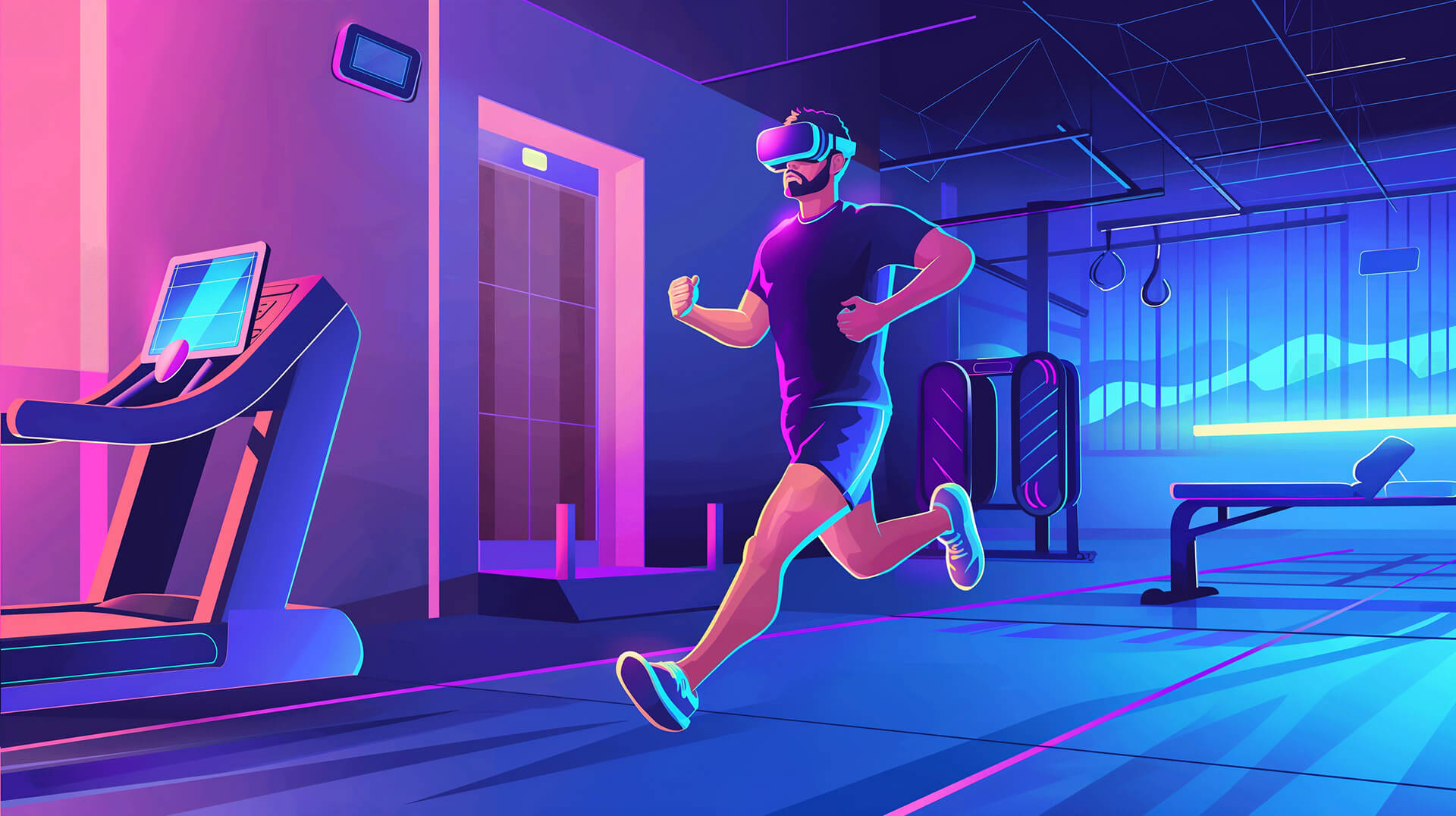
Virtual reality fitness has emerged as one of the most significant innovations in home exercise, fundamentally changing how we approach our fitness goals. As we navigate through 2024, VR workouts are no longer a futuristic concept but a mainstream reality that's reshaping the fitness landscape. The integration of immersive technology with physical exercise has created unprecedented opportunities for achieving fitness goals from the comfort of your living room.
The momentum behind virtual reality fitness in 2024 is undeniable. Market data reveals that the VR fitness game sector has experienced remarkable growth, expanding from $12.16 billion in 2023 to an estimated $13.08 billion in 2024. This impressive 7.6% compound annual growth rate reflects more than just technological advancement – it represents a fundamental shift in consumer preferences toward immersive, engaging workout experiences.
Why VR Fitness Is Gaining Unprecedented Traction
The surge in VR fitness adoption stems from several key factors that address common barriers to traditional home workouts. Unlike conventional exercise videos or apps, virtual reality exercise creates a sense of presence that tricks your mind into forgetting you're working out. This psychological engagement is crucial for maintaining long-term fitness goals, as it transforms exercise from a chore into an adventure.
VR Fitness Market Growth: 2020-2024 ($Billions)
The gamification aspect of VR workouts has proven particularly effective in sustaining user motivation. When your workout feels like playing an immersive video game, the typical excuses for skipping exercise sessions become irrelevant. Users report higher completion rates and increased workout frequency compared to traditional home fitness methods.
Leading VR Fitness Platforms Setting the Standard
The landscape of virtual reality fitness has been significantly shaped by major platform acquisitions and innovations. Meta's $430 million acquisition of Supernatural in February 2023 marked a pivotal moment in the industry, signaling serious investment in VR fitness technology. Supernatural exemplifies the potential of VR workouts by combining high-energy music, expert coaching, and breathtaking virtual environments to create workouts that users actually look forward to.
Popular VR Fitness Apps and Their Key Features in 2024
| App Name | Primary Workout Type | Calorie Burn Rate (per hour) | Key Features | Monthly Subscription Cost |
|---|---|---|---|---|
| Supernatural | Full-body cardio/strength | 400-600 calories | Daily workouts, expert coaching, scenic locations | $18.99 |
| Beat Saber | Rhythm-based cardio | 200-400 calories | Music-driven gameplay, custom songs, multiplayer modes | One-time purchase $29.99 |
| FitXR | Boxing/dance/HIIT | 300-500 calories | Live classes, multiplayer workouts, progress tracking | $9.99 |
| Thrill of the Fight | Boxing simulation | 350-550 calories | Realistic boxing physics, tournament mode, stamina system | One-time purchase $9.99 |
| The Climb 2 | Rock climbing | 250-400 calories | Hand tracking, realistic climbing mechanics, scenic routes | One-time purchase $29.99 |
| Pistol Whip | Rhythm shooting | 300-450 calories | Full-body movement, cinematic scenes, difficulty scaling | One-time purchase $24.99 |
| Holofit | Cardio/rowing | 400-700 calories | Real-world locations, rowing machine compatibility, cycling support | $9.90 |
| VZfit | Cycling simulation | 300-600 calories | Google Street View integration, stationary bike compatibility, exploration mode | $9.99 |
Other notable platforms have also contributed to the VR fitness revolution. Applications like Beat Saber have proven that rhythm-based workouts can provide serious cardiovascular benefits while feeling like entertainment. Meanwhile, platforms such as FitXR offer structured fitness classes ranging from boxing to dance, all within immersive virtual environments that transport users far from their physical surroundings.
The Science Behind VR Fitness Effectiveness
Research consistently demonstrates that VR fitness goals are more achievable due to the technology's unique ability to enhance motivation and reduce perceived exertion. When users are immersed in engaging virtual environments, they often exercise longer and with greater intensity than they would during traditional workouts. This phenomenon, known as "flow state," occurs when individuals become so absorbed in an activity that they lose track of time and effort.
The psychological benefits extend beyond motivation. VR workouts can help users overcome common barriers such as gym intimidation, weather-dependent outdoor activities, and the monotony of repetitive exercises. For individuals who struggle with traditional fitness routines, virtual reality exercise offers a fresh approach that can reignite passion for physical activity.
The accessibility factor cannot be overlooked when discussing the VR fitness revolution. Unlike gym memberships or expensive personal training sessions, VR fitness provides premium workout experiences at a fraction of the cost. Once you invest in the necessary equipment, you gain access to unlimited workout varieties, expert instruction, and exotic virtual locations without recurring fees.
As we progress through 2024, the convergence of improved hardware, sophisticated software, and growing content libraries positions VR fitness as a permanent fixture in the home fitness ecosystem. The technology has matured to a point where it offers genuine alternatives to traditional exercise methods while providing unique benefits that conventional workouts simply cannot match.
Top VR Fitness Platforms and Technologies Shaping 2024
The virtual reality fitness landscape in 2024 is dominated by sophisticated platforms that combine cutting-edge technology with engaging workout experiences. Understanding the available options and their unique features is crucial for anyone looking to establish effective VR fitness goals and create a sustainable home exercise routine.
Leading VR Fitness Platforms
Meta's Supernatural continues to lead the VR fitness market following its $430 million acquisition, offering daily workouts in breathtaking virtual environments. The platform's success stems from its combination of high-energy music, expert coaching, and immersive destinations that transport users from their living rooms to exotic locations worldwide. Users can experience virtual reality exercise sessions ranging from boxing and meditation to full-body workouts while surrounded by stunning landscapes.

Beat Saber remains a cornerstone of VR workouts, transforming rhythm gaming into an intense cardiovascular exercise. The game's popularity has spawned numerous fitness-focused modifications and custom songs specifically designed to maximize calorie burn and muscle engagement. FitXR has evolved into a comprehensive virtual reality fitness platform, offering boxing, dance, and HIIT workouts with multiplayer capabilities that allow users to exercise with friends in virtual spaces.
Essential VR Fitness Equipment and Setup Requirements
Successful VR fitness implementation requires careful consideration of hardware, space, and safety requirements. The foundation of any effective VR fitness setup begins with selecting the right headset that balances performance, comfort, and affordability.
Modern VR headsets like the Meta Quest 3, PICO 4, and PlayStation VR2 offer wireless freedom essential for dynamic VR workouts. These devices feature improved tracking accuracy, reduced latency, and enhanced comfort for extended exercise sessions. The wireless nature of standalone headsets eliminates the risk of tripping over cables during intense virtual reality exercise routines.
Comparing VR Fitness Platforms: Features and Pricing
When establishing VR fitness goals, understanding the cost structure and feature differences between platforms helps users make informed decisions about their virtual reality fitness investment.
VR Fitness Technology Leaders: Stock Performance Comparison
Major tech companies driving virtual reality fitness innovation - December 2024
| Asset | Current Price | 24h | 7d | 30d | Market Cap |
|---|---|---|---|---|---|
| Meta Platforms Inc META | $542.81 | +1.2% | +3.8% | +8.9% | $1.38T |
| Apple Inc AAPL | $196.94 | -0.3% | +1.5% | +4.2% | $2.98T |
| Alphabet Inc GOOGL | $175.23 | +0.8% | +2.1% | +6.7% | $2.15T |
| Microsoft Corporation MSFT | $415.49 | +0.5% | +1.9% | +5.3% | $3.09T |
| Sony Group Corporation SONY | $18.72 | -0.7% | +0.9% | +2.8% | $111.2B |
| NVIDIA Corporation NVDA | $138.07 | +2.1% | +4.3% | +9.8% | $3.41T |
Analysis Summary
Meta leads VR fitness gains with +8.9% monthly performance, while NVIDIA shows strongest momentum at +9.8%. Microsoft maintains largest market cap at $3.09T, positioning these tech giants to capitalize on the projected $13.08B VR fitness market in 2024.
Key Insights
- Meta Platforms shows strongest VR-focused momentum with consistent gains across all timeframes, directly benefiting from VR fitness market growth
- NVIDIA leads monthly performance at +9.8%, driven by AI and graphics processing demand essential for immersive VR experiences
- Apple and Sony show more modest gains despite their VR hardware capabilities, suggesting market is favoring software and platform plays
Prices reflect recent market data for major technology companies positioned in VR/AR markets. Market caps and performance metrics based on current trading values and recent market activity.
Disclaimer: Stock prices are highly volatile and subject to market fluctuations. Data is for informational purposes only and should not be considered investment advice. Always do your own research before making investment decisions.
Subscription-based platforms like Supernatural and FitXR provide continuously updated content libraries, ensuring users never run out of fresh workout options. One-time purchase games like Beat Saber offer excellent value for users who prefer to own their content, though they may require additional purchases for new songs and features.
Advanced VR Fitness Technologies
The integration of artificial intelligence and biometric monitoring is revolutionizing how VR fitness platforms adapt to individual users. Advanced motion tracking now captures subtle movements, providing real-time form correction and personalized workout adjustments based on user performance and fitness levels.
Content is being updated. Check back soon.
Heart rate monitoring integration allows VR fitness applications to automatically adjust workout intensity, ensuring users maintain optimal training zones for their specific virtual reality fitness goals. Some platforms now incorporate eye tracking and facial recognition to gauge user fatigue and engagement levels, creating truly personalized exercise experiences.
Workout Variety and Specialization
The diversity of available VR workouts in 2024 caters to every fitness preference and goal. From high-intensity interval training and boxing to yoga and meditation, virtual reality exercise options span the complete spectrum of physical and mental wellness activities.
Specialized applications now target specific demographics and fitness goals. Senior-friendly VR fitness programs focus on balance, flexibility, and gentle movement, while athlete-focused applications provide sport-specific training simulations. This specialization ensures that virtual reality fitness can effectively support users regardless of their current fitness level or long-term objectives.
The gamification elements inherent in VR fitness platforms significantly improve workout adherence compared to traditional exercise methods. Achievement systems, leaderboards, and social features create motivation structures that help users consistently work toward their VR fitness goals while enjoying the process of getting fit.
Maximizing Your VR Fitness Goals: Implementation and Future Outlook
Successfully integrating virtual reality fitness into your routine requires strategic planning and understanding of the evolving landscape. As VR fitness continues its remarkable growth trajectory, with the market expanding from $12.16 billion in 2023 to a projected $13.08 billion in 2024, achieving your fitness goals through virtual reality has never been more accessible or effective.
Setting Up Your VR Fitness Environment for Success
Creating an optimal VR fitness space is crucial for achieving your virtual reality exercise goals. Your workout area should provide at least 6x6 feet of clear space, with proper ventilation and adequate lighting. Consider investing in protective floor mats and ensure all breakable objects are removed from your play area. The ceiling height should accommodate full arm extensions and jumping movements, typically requiring 8-9 feet of clearance.
Proper equipment selection significantly impacts your VR fitness experience. While standalone headsets like the Meta Quest 3 offer convenience, ensure your chosen device can handle intensive workout sessions without overheating. Invest in comfortable, sweat-resistant accessories including facial interfaces, head straps, and hand grips designed for extended exercise sessions.
Developing Effective VR Workout Routines
Successful VR fitness goals require structured approach to routine development. Begin with 15-20 minute sessions three times per week, gradually increasing duration and intensity as your fitness level improves. Incorporate variety by alternating between cardio-focused games like Beat Saber, strength training applications such as FitXR, and full-body workouts offered by Supernatural.
Track your progress using built-in analytics provided by most VR fitness platforms. These systems monitor calories burned, workout duration, heart rate zones, and movement patterns, providing valuable data to optimize your virtual reality fitness journey. Set specific, measurable goals such as completing 30-minute sessions five times weekly or achieving target calorie burn rates.
Cost Analysis and Platform Selection
Understanding the financial investment required for VR fitness helps in making informed decisions about platform selection and equipment purchases. Initial hardware costs range from budget-friendly options to premium setups, while ongoing subscription fees vary significantly across platforms.
Measuring Success and Tracking Progress
Effective goal achievement in virtual reality fitness requires consistent monitoring and adjustment of your approach. Most VR fitness applications provide comprehensive analytics including workout frequency, intensity levels, and performance improvements over time. Utilize these metrics to identify patterns and optimize your routine for maximum effectiveness.
Future Trends and Technological Advancements
The VR fitness industry continues evolving with exciting developments on the horizon. Artificial intelligence integration promises personalized coaching that adapts to your specific needs and preferences. Haptic feedback technology will enhance immersion by providing tactile sensations during workouts, making virtual reality exercise even more engaging and effective.
Social fitness features are expanding, allowing users to join virtual classes with friends or compete in global challenges. These community aspects address one of traditional home fitness's biggest limitations: motivation and accountability through social interaction.
Overcoming Common Challenges
While VR fitness offers tremendous benefits, users may encounter obstacles such as motion sickness, equipment discomfort, or motivation lapses. Combat motion sickness by starting with shorter sessions and gradually building tolerance. Address comfort issues through proper equipment selection and regular cleaning of headset components.
Maintain motivation by setting varied goals, joining online communities, and regularly updating your game library. The gamification elements inherent in VR fitness help sustain long-term engagement, but conscious effort to maintain novelty and challenge remains important.
Virtual reality fitness represents a paradigm shift in home exercise, offering unprecedented engagement and effectiveness. By following proper setup procedures, developing structured routines, and leveraging the growing ecosystem of VR fitness applications, you can achieve remarkable results from the comfort of your home. As technology continues advancing and the market expands, VR fitness will undoubtedly become an increasingly integral component of comprehensive wellness strategies.
No comments yet. Be the first to share your thoughts!